Lifestyle • Fitness Well
Water and Hydration: Four Reasons Fluids Matter
Water supports normal body functions, while daily fluid needs vary with activity, climate, age, and health.
Hydration is part of ordinary body care
Water is involved in normal body functions, including temperature regulation, cushioning joints, and removing waste. The Centers for Disease Control and Prevention notes that drinking water helps prevent dehydration and that fluid needs can change with physical activity, hot weather, fever, vomiting, and diarrhea [1]. This is why one fixed daily number cannot describe everyone’s needs.
Food and other beverages also contribute fluid. Many fruits and vegetables contain water, and milk or fortified alternatives may provide nutrients as well as fluids. Plain water is a practical choice for many people, but individual medical guidance matters for people whose health conditions or medicines affect fluid balance.
Reason one: water supports normal body functions
The body uses fluids across many systems. CDC describes water as helping maintain a normal temperature, lubricate and cushion joints, protect sensitive tissues, and remove waste through urine, perspiration, and bowel movements [1]. These are everyday functions rather than promises that drinking extra water will improve every symptom.
A useful approach is regular access to fluids across the day. Keep a cup or bottle nearby if that helps you remember. Drink with meals or after activity when convenient. If you are thirsty, water can be a straightforward option. People with a clinician-directed fluid limit should follow their care plan instead of general advice online.
Reason two: needs change with activity and surroundings
A person may need more fluids during exercise, hot weather, or illness involving fever, vomiting, or diarrhea. A short walk in cool weather is different from a long outdoor workout in heat. Clothing, intensity, breaks, and access to water also affect what feels manageable.
For exercise, plan ahead: consider where you can refill a bottle, whether shade is available, and how long the activity will last. During a warm day, move the session to a cooler time or choose an indoor option. Do not try to force large amounts of water quickly. If you feel unwell or have signs of heat illness, stop activity and seek appropriate help.
Reason three: water can replace sugary drinks
Choosing water instead of a sugary beverage can lower the added sugar in that drink choice. CDC recommends water as one option for reducing sugary drink intake and suggests adding fruit or citrus for flavor [2]. This does not mean every other beverage is automatically unhealthy. A person’s overall pattern, access, preferences, and medical needs matter.
Plain, unsweetened water can be still or sparkling. Unsweetened tea or coffee may also suit some adults. Milk and fortified alternatives provide nutrients, and juice can fit in limited amounts. Sports drinks are not required for every workout; the right choice depends on duration, intensity, sweat loss, and individual context. If a provider has given you specific guidance, follow that instead of generalized drink advice.
Reason four: small routines can make fluids easier to remember
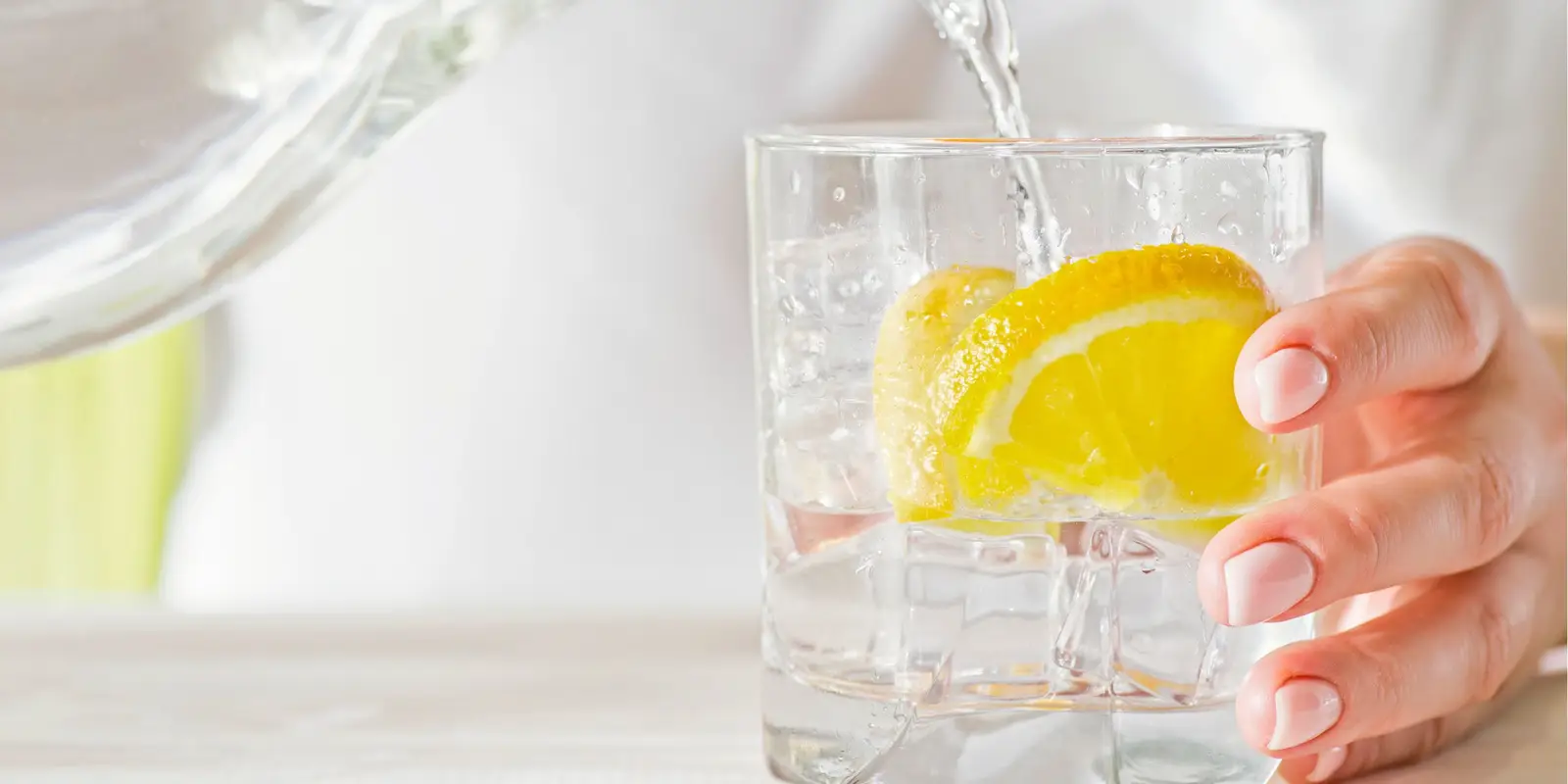
A habit cue can help if you often forget to drink. Carry a refillable bottle, have water with a meal, keep a pitcher in the refrigerator, or add lemon, lime, berries, or cucumber. At a restaurant, ask for water if that is what you want. These cues make water visible and convenient rather than relying on memory alone.
Try one adjustment at a time. If cold water is more appealing, chill a bottle. If a large bottle feels inconvenient, choose a smaller one and refill it. If flavored water makes it easier to drink, use a small amount of fruit or unsweetened flavoring. The goal is a routine that works, not a gadget or product purchase.
Is there a recommended amount for everyone?
No single daily amount fits every person. CDC explains that water needs vary with age, sex, pregnancy, activity, and breastfeeding status; fluid comes from both beverages and foods [1]. People also differ in climate, body size, health, and medication. Avoid treating a fixed “eight glasses” rule as medical guidance for everyone.
Thirst can be one useful signal, though people with health conditions or older adults may need a personalized plan. Some illnesses and medications affect fluid or electrolyte balance. If you have kidney, heart, or endocrine conditions, are pregnant, or have been advised to limit or increase fluids, ask a healthcare professional for individualized advice.
What about electrolytes and sports drinks?
Electrolytes such as sodium and potassium are present in foods and beverages and play roles in normal body function. Many everyday activities do not require a specialized drink. Longer or vigorous activity, hot conditions, or heavy sweat may change fluid needs, but circumstances differ. A sports drink’s sugar and sodium content also varies by product.
Do not use a sports drink to treat illness or assume it is necessary because you exercised. For a typical short walk or moderate workout, water and normal meals may be sufficient for many people. If you compete, exercise for a long time in heat, or have a medical condition affecting hydration, a registered dietitian or healthcare provider can help you develop a plan.
Common signs and when to get help
Dehydration can affect how a person feels and functions. CDC notes that dehydration may contribute to unclear thinking, mood changes, overheating, constipation, and kidney stones [1]. Those symptoms can also have other causes, so do not diagnose yourself based on one sign. When illness causes vomiting or diarrhea, or when you cannot keep fluids down, seek medical guidance, especially for children, older adults, or people with chronic conditions.
Urgent symptoms such as confusion, fainting, severe weakness, or signs of heat illness need prompt attention. Move to a cooler place when possible and contact emergency services if the situation appears serious. This article cannot assess your personal risk or replace medical advice.
Water, food, and daily routines
Meals can contribute to fluid intake and provide nutrients that water does not. Fruits, vegetables, soups, and other foods with high water content add some fluid, while a balanced eating pattern supplies energy and nutrients. USDA MyPlate encourages variety across food groups when planning meals [3]. A person does not have to drink only water to have a balanced routine.
A simple day might include water with breakfast, a bottle during work or class, and fluids around activity, adjusted for thirst and conditions. Someone who dislikes plain water may alternate it with unsweetened tea or add fruit. If cost or safe tap-water access is a barrier, look for local public-health information about community water resources.
Questions readers ask
**Can drinking more water improve skin or energy?** Needs vary, and drinking beyond your needs does not guarantee a specific cosmetic or energy result. Fatigue can have many causes.
**Should I drink before I feel thirsty?** Activity, heat, age, and health may affect thirst and need. Use individualized guidance when relevant.
**Does coffee count toward fluid?** Many beverages contribute fluid, but caffeine and added sugar are worth considering within your overall pattern.
**Is bottled water better than tap water?** That depends on local water safety, access, and preference. Follow local public-health advisories.
**Do I need a gallon a day?** Not necessarily. A fixed target may be inappropriate for some people. Seek personal advice if you are unsure.
A practical takeaway
Water supports normal body functions and is a useful everyday beverage. Needs vary, and foods and other drinks contribute fluid too. Make water accessible, use flavor cues if helpful, and adapt plans to activity, climate, and health. If a medical condition affects fluid balance, use guidance from a qualified professional rather than a one-size-fits-all target.
Sources and further reading
- About Water and Healthier DrinksCenters for Disease Control and Prevention · Accessed 2026-11-03
- Rethink Your DrinkCenters for Disease Control and Prevention · Accessed 2026-11-03
- Meal PlanningU.S. Department of Agriculture, MyPlate · Accessed 2026-11-03