Nutrition • Fitness Well
Three Protein Shake Recipes: Practical Guide to Ingredients and Use
Three flexible shake recipes plus guidance on protein, food safety, and how shakes fit into everyday meals.
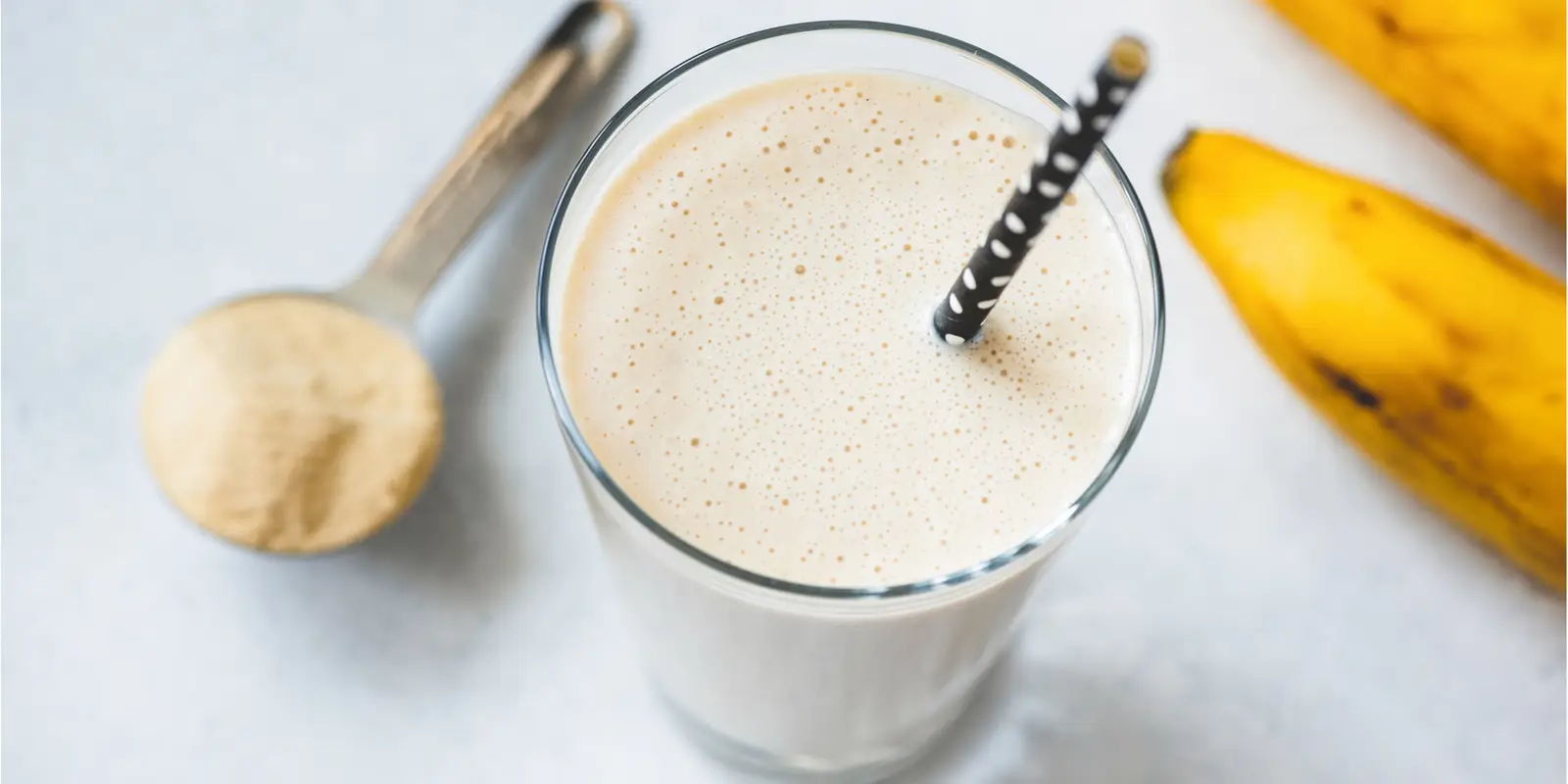
A shake is one option, not a requirement
A protein shake can be a convenient way to combine ingredients when a full meal is not practical. It is not automatically better than food, and a drink does not build muscle on its own. Training, enough total food, recovery, and consistency all matter. Some people enjoy a shake after exercise; others prefer yogurt, eggs, beans, tofu, fish, or another meal. Choose the format that fits your appetite and routine.
The NIH Office of Dietary Supplements notes that protein is found in many foods and that athletes can often meet their needs through food. It also describes supplements as optional additions to an adequate diet rather than replacements for the basics [1]. Because needs vary with age, health, training, and eating pattern, avoid treating a single shake recipe as a universal recommendation.
A simple way to build a shake
Start with a liquid base such as milk, soy beverage, or another alternative you tolerate. Add fruit for flavor and texture, then choose extras such as oats, yogurt, nut butter, or seeds. Protein powder can be included if it suits you, but check the label for ingredients, serving size, allergens, added sweeteners, and any warnings. You can also make a shake without powder.
Blend the liquid first with softer ingredients, then add ice or frozen fruit. If the mixture is too thick, add a little more liquid; if it is too thin, use less liquid next time or add fruit or oats. Taste before adding honey or other sweeteners. The purpose is a drink you enjoy and can prepare safely, not a particular texture or ingredient checklist.
Recipe 1: chocolate banana and peanut butter
Use one scoop of chocolate protein powder if desired, one banana, about one cup of milk or an unsweetened alternative, one tablespoon of peanut butter, and ice. Add a teaspoon of honey only if you prefer it sweeter. Blend until smooth. If you do not use protein powder, the shake will still have flavor and substance from the other ingredients; it simply will not provide the same amount of protein.
For a thicker version, use a frozen banana and start with less liquid. For a lighter drink, reduce or omit the peanut butter. Peanut butter is a common allergen, so do not use it for someone with a peanut allergy; use an alternative only if it is safe for that person. Avoid claiming the banana prevents cramps or that the shake guarantees recovery. It is a convenient combination of foods, not treatment.
Recipe 2: mango, coconut, and yogurt
Combine one scoop of vanilla protein powder if you want it, one cup of frozen mango, about half a cup of coconut milk, half a cup of plain Greek yogurt, one tablespoon of chia seeds, and ice. Blend until the fruit is broken down. Coconut milk products differ; canned coconut milk is richer than many refrigerated beverages, so choose the type and amount that fit your preference.
If you want a thinner drink, add milk or water gradually. If you avoid dairy, select a yogurt alternative and check its nutrition label, because protein content can differ between products. Chia seeds thicken as they sit, so drink the shake soon after blending or add more liquid before serving later. The fruit, yogurt, and seeds make a flavor combination; no single ingredient is necessary for everyone.
Recipe 3: berry, oat, and flax
Use half a cup of mixed berries, one cup of milk or an unsweetened alternative, a quarter cup of rolled oats, one tablespoon of ground flaxseed, and ice. Add a scoop of berry or vanilla protein powder only if it suits your needs. Blend thoroughly so the oats and flax are evenly distributed. Frozen berries create a colder, thicker shake; fresh berries can be used with extra ice.
Oats and flax change the texture and add ingredients that some people may need to avoid. Check labels for gluten cross-contact if that matters to you and consider allergies when serving others. For an easy breakfast, pair the shake with another food if it does not keep you satisfied. A blended drink can be part of a meal, but it does not need to replace chewing or a varied diet.
Protein, exercise, and recovery
Protein provides amino acids used to build and maintain body tissues, including muscle. Exercise training creates a stimulus; food and recovery support the body’s response. The NIH fact sheet discusses research on protein and exercise, while also explaining that benefits depend on the overall diet and training context [1]. It does not mean that everyone needs a powder or that taking more automatically improves results.
The same source summarizes varying recommendations for athletes, but individual needs depend on body size, training, age, health, and total intake. A general recipe should not prescribe a daily gram target. If you are training intensely, managing a medical condition, pregnant, or using supplements alongside medication, ask a qualified clinician or registered dietitian for personalized advice.
A post-workout shake is convenient if it helps you eat when you are hungry or short on time. There is no need to rush a drink immediately after a session if you have already eaten and feel well. Regular meals across the day, enough sleep, and a reasonable training plan matter more than chasing a narrow “anabolic window.” Supplements vary in ingredients and quality, so read labels and consider discussing them with a health professional [1].
Make the recipes fit your day
Use these combinations as starting points. You can change the fruit, liquid, or texture while keeping the ingredients you enjoy. If you are preparing a shake before work, measure dry ingredients into a container the night before and add liquid when ready to blend. For a make-ahead drink, keep it chilled and shake or blend again before drinking because ingredients may separate.
USDA MyPlate encourages variety among fruits, vegetables, grains, protein foods, and dairy or fortified alternatives when planning meals [2]. A shake can contribute some of those foods, but the three recipes are not meant to cover every food group. Add vegetables or a separate meal when that better fits your preferences and appetite. Choose affordable ingredients you can keep on hand rather than buying products that promise a specific body change.
Food safety and allergies
Wash hands, blender parts, and surfaces after preparing ingredients. Refrigerate dairy and other perishable ingredients, follow package directions, and clean the blender promptly. Keep nut butters, milk, soy, and protein powders away from people with relevant allergies. If the shake is for someone else, explain what is in it and do not assume a substitution is safe for them.
Avoid adding raw egg to a shake. The recipes do not need it, and raw or undercooked eggs can carry harmful bacteria [3]. If a recipe includes ingredients with special storage instructions, follow the label. A blender is not a substitute for safe handling, and leaving a dairy-based shake warm for a long time can make it unsuitable to drink.
Frequently asked questions
**Do I need protein powder?** No. It is optional. Many foods contain protein, and the NIH fact sheet notes that supplements are not necessary for every athlete [1].
**Can I drink a shake before a workout?** Some people prefer a small snack beforehand; others do not. Choose what feels comfortable, and avoid testing a new ingredient immediately before a demanding session.
**Will a shake build muscle by itself?** No single food or drink can do that. Training, total nutrition, recovery, and individual circumstances all contribute.
**Can I make these dairy-free?** Yes, if you choose suitable liquid and yogurt alternatives. Check the product labels because nutrients and protein amounts differ.
**What if I have a health condition?** Ask a qualified professional about ingredients, supplements, and personal nutrition needs rather than relying on a general recipe.
A practical takeaway
A shake can make a convenient snack or meal component when it fits your day. Try chocolate banana, mango and yogurt, or berries with oats; adjust ingredients to taste and check for allergens. Protein powder is optional, and more is not always better. Keep food safety in mind, choose a mix of foods across your week, and seek individualized advice when health needs call for it.
Sources and further reading
- Dietary Supplements for Exercise and Athletic Performance (Consumer)National Institutes of Health, Office of Dietary Supplements · Accessed 2026-11-03
- Meal PlanningU.S. Department of Agriculture, MyPlate · Accessed 2026-11-03
- Preventing Food PoisoningCenters for Disease Control and Prevention · Accessed 2026-11-03