Nutrition • Fitness Well
Three-Ingredient Banana Pancakes: A Complete Cooking Guide
A detailed guide to mixing, cooking, adapting, and safely serving banana-and-egg pancakes.
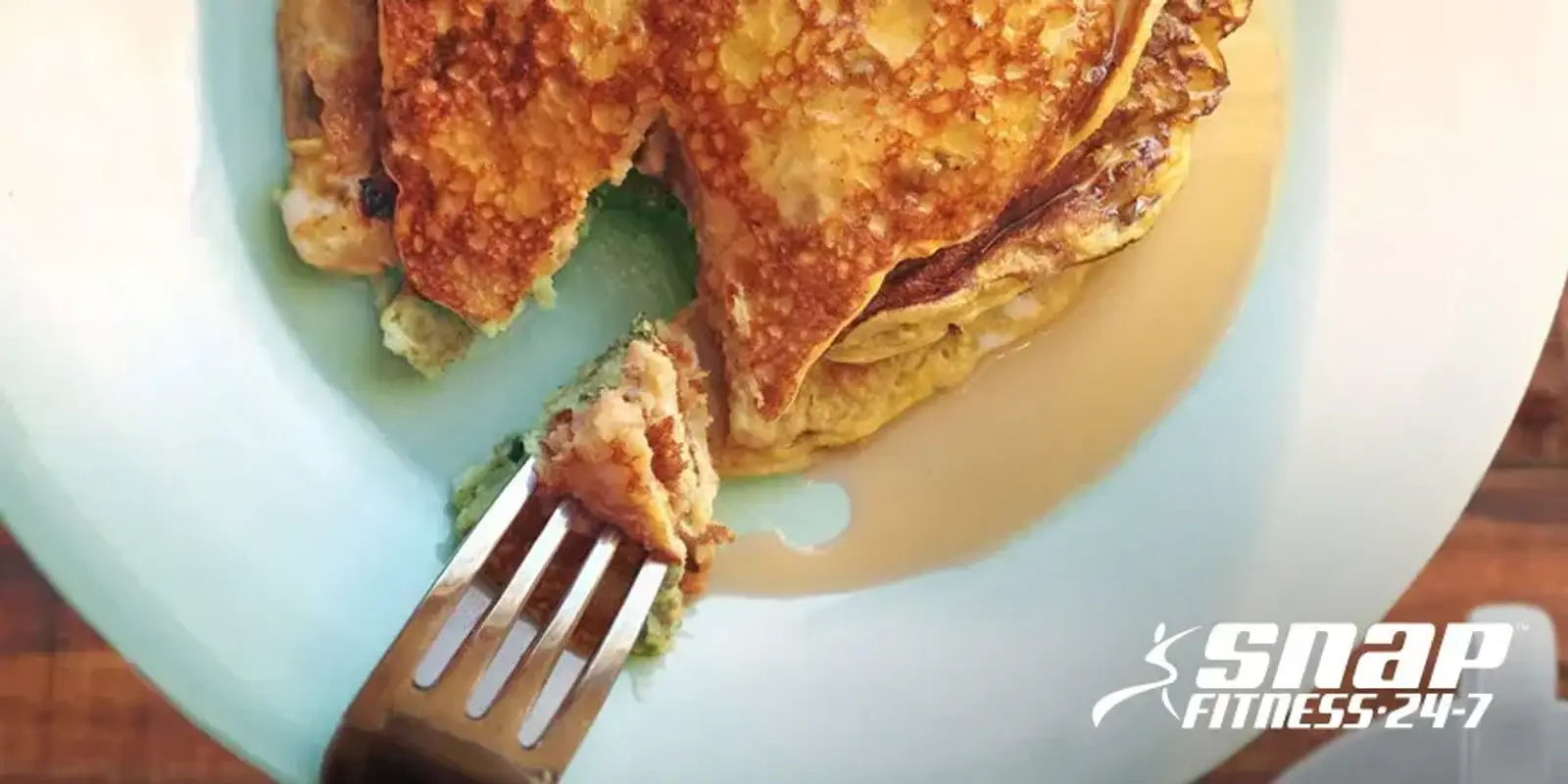
Why this simple recipe works as a starting point
Banana pancakes made from eggs, mashed banana, and a little cooking oil are useful when you want a short ingredient list and a small batch. They are different from a flour-based pancake: the batter is softer, the pancakes are more delicate, and the banana contributes most of the sweetness. That means the method matters as much as the ingredients. Small pancakes, a moderately warm pan, and patience before flipping help the mixture hold together.
The recipe is also easy to adapt in small ways. A pinch of cinnamon, a few drops of vanilla, or fruit on top changes flavor without making the basic method complicated. Those extras are optional. If you are cooking for someone with an allergy or a specific dietary need, check every ingredient and choose substitutions that are appropriate for that person.
Ingredients and what each one does
Use one ripe banana, two eggs, and about one teaspoon of coconut oil for the pan. A banana with brown speckles mashes more easily and tastes sweeter than a firm green one. Eggs bind the mixture as they cook and provide structure. The oil keeps the batter from sticking and helps the surface brown. Coconut oil is not required; another cooking fat that works for your pan can be used instead.
The original instructions mention vanilla, cinnamon, and maple syrup even though they do not appear in the short ingredient list. Treat them as optional finishing ingredients. If you add vanilla or cinnamon to the batter, use a small amount so the mixture still cooks evenly. A little maple syrup can be served at the table rather than mixed into the batter, which makes sweetness easier to adjust for each person.
Equipment and setup
A nonstick skillet or a well-seasoned pan makes this recipe easier. You will also need a bowl, fork or whisk, flexible spatula, and a plate. Set those out before heating the pan; banana-and-egg batter can begin cooking quickly once it reaches the surface. If you are doubling the batch, keep a clean plate ready for cooked pancakes and do not put cooked food back onto a plate that held raw batter.
Mash the banana until few large pieces remain. Whisk in the eggs until the mixture looks uniform. A few tiny banana lumps are fine, but large pieces can make some pancakes cook faster than others. The batter will be looser than standard pancake batter. Do not add extra ingredients just to make it thick; instead, make smaller pancakes so they are easier to turn.
Heat the pan gently
Place the skillet over medium or medium-low heat and add a small amount of oil. Let the pan warm for a minute. If the surface smokes, remove it from the heat briefly and lower the setting. A pan that is too hot can brown the outside before the center has time to set. A gentle, even heat gives the egg time to cook and makes it easier to slide the spatula underneath.
For a first pancake, use about two tablespoons of batter rather than the quarter-cup size used in some conventional recipes. Smaller portions are easier to flip because this mixture contains no flour structure. Leave enough room between pancakes so you can turn them without touching the others. If the batter spreads more than you expect, make the next one smaller and wait longer before turning it.
Cook and flip without rushing
Pour one small portion into the warm pan. Leave it alone until the edges look set and the surface loses some of its wet shine. Small bubbles may appear, but banana-and-egg batter does not always behave like flour batter, so use the edges and firmness as clues instead of relying on bubbles alone. Slide a thin spatula under the pancake. If it folds or tears, give it another 20 to 30 seconds and try again.
Flip gently and cook the other side until the pancake is firm throughout. The FDA advises cooking eggs thoroughly and keeping them refrigerated; eggs should not be eaten raw or undercooked, especially by people at higher risk from foodborne illness [2]. Use the recipe's cooking instructions as a starting point, but make sure the egg mixture is cooked through before serving. Transfer finished pancakes to a clean plate and repeat with the remaining batter.
Troubleshooting texture and sticking
If pancakes break when flipped, they may be too large, turned too early, or cooked over heat that is too high. Make smaller portions, wait for the edges to firm, and use a thin spatula. If the center remains soft, lower the heat and give the pancake more time on each side. If the surface sticks, add a very small amount of oil and allow the pan to warm evenly before the next portion.
If the batter is unusually runny, the banana may have been large or the eggs may vary in size. Rather than adding flour and changing the recipe, make mini pancakes and leave more time for each side to set. If you do choose to add oats or flour, it becomes a variation and may need a different cooking time. Do not taste uncooked batter: raw eggs can carry Salmonella, and uncooked flour can also contain harmful germs [1].
Toppings and serving ideas
Serve the pancakes warm with cinnamon, sliced fruit, yogurt, nut butter, or a modest amount of maple syrup. Fresh berries add tartness; yogurt adds a cool contrast; a small spoonful of nut butter creates a richer topping. Put toppings in separate bowls when serving a group so people can choose what works for them. Check labels for nuts, dairy, or other allergens.
The recipe makes a small serving, so consider what else will make breakfast satisfying. Some people may pair it with fruit or yogurt; others may prefer the pancakes on their own. Appetite, activity, and dietary needs differ. A recipe cannot say how much every person should eat, and no one topping is required for the dish to be worthwhile.
Optional flavor variations
For a mild flavor change, stir in a pinch of cinnamon or a few drops of vanilla. If you enjoy a more textured pancake, top it with chopped fruit after cooking rather than adding many solids to the batter. A small amount of finely chopped nuts can also be sprinkled on top, but use care around children and anyone with a nut allergy.
If you want a larger batch, multiply the ingredients and cook in rounds instead of crowding the pan. Keep the skillet at a steady temperature and add oil sparingly between batches. Larger batches take longer, so keep finished pancakes warm in a low oven only if they will be served soon; refrigerate leftovers promptly rather than leaving them at room temperature for an extended period.
Storage and safe handling
Wash your hands, bowl, fork, and work surface after they touch raw egg. Keep raw eggs refrigerated and separate from ready-to-eat toppings. Cook the pancakes fully, then place leftovers in a clean container and refrigerate them. If you are preparing food for someone who is pregnant, very young, older, or immunocompromised, take particular care with egg handling and thorough cooking.
CDC guidance warns that raw eggs and raw batter can cause foodborne illness and advises following cooking directions rather than tasting uncooked mixtures [1]. For a pancake with an egg-based batter, that means using a moderate pan temperature and checking that the center is no longer wet. The simplest safety step is also a cooking-quality step: give the pancake enough time to set before serving.
Frequently asked questions
**Can I use a very ripe banana?** Yes. A soft banana is easy to mash and usually adds more sweetness. If it is unusually large, the batter may be looser, so make smaller pancakes.
**Can I make the batter ahead?** It is easier to mash and cook fresh. If you mix it ahead, refrigerate it promptly and cook it thoroughly. Do not leave raw egg batter on the counter.
**Can I make it dairy-free?** The basic ingredients listed are dairy-free, but check the cooking fat and any toppings. Vanilla or maple syrup is optional.
**Can I make it vegan?** The main structure depends on eggs, so removing them changes the recipe substantially. Use a tested egg-free pancake recipe rather than assuming a one-to-one replacement will behave the same.
**Why did the pancake tear?** It may have been too large or turned before it set. Reduce the portion and wait until the edge is firm.
A practical takeaway
These pancakes are at their best when treated as a simple, small-batch recipe rather than a complicated project. Mash the banana, whisk in the eggs, cook small portions over moderate heat, and wait for each one to set before flipping. Add optional flavors at the end and tailor the serving to your appetite.
The result is an easy breakfast idea, not a nutrition prescription. Keep the preparation clean, cook the eggs thoroughly, and adjust the recipe only in ways that work for your kitchen and needs. If you want more structure than this short ingredient list offers, choose a tested pancake recipe with the ingredients and cooking directions you prefer.
Sources and further reading
- Raw Flour and DoughCenters for Disease Control and Prevention · Accessed 2026-11-03
- What You Need to Know About Egg SafetyU.S. Food and Drug Administration · Accessed 2026-11-03