Nutrition • Fitness Well
Three Breakfast Ideas for a Balanced Start
Three flexible breakfast ideas show how grains, fruit, protein foods, and other ingredients can fit a varied morning meal.
What breakfast can and cannot do
Breakfast can be convenient, nourishing, or enjoyable, but no single meal reliably determines a person’s mood for the day. Mood is influenced by many factors, including sleep, stress, health, relationships, and individual circumstances. A breakfast may help someone avoid getting very hungry before lunch, while another person may prefer a later first meal. There is no universal rule that everyone must eat immediately after waking. [1] A useful goal is to choose foods that fit your appetite, schedule, culture, budget, and health needs. USDA MyPlate recommends variety across fruits, vegetables, grains, protein foods, and dairy or fortified alternatives when planning meals [1]. This is a flexible planning approach, not a claim that one combination will treat low mood or anxiety.
Build a breakfast around foods you enjoy
Think of breakfast as a mix-and-match opportunity. Oats can provide a base for fruit or nuts; eggs can pair with toast and vegetables; yogurt can be layered with berries and grains. You can keep the structure simple, use leftovers, or prepare ingredients ahead. A satisfying meal often comes from a balance of familiar foods rather than a special “mood boosting” ingredient. [1] If you have dietary restrictions, allergies, diabetes, gastrointestinal issues, or another health condition, breakfast choices may need personal guidance. A registered dietitian or clinician can help adapt a plan. Otherwise, use hunger, convenience, and enjoyment as practical inputs. The recipes below are examples; swap ingredients to fit what is available and comfortable for you.
Idea one: banana and almond butter oats
Combine rolled oats and milk or a fortified alternative in a saucepan. Cook gently, stirring until the oats soften, then top with sliced banana, almond butter, cinnamon, and a little honey if desired. The source recipe uses one cup of oats, two cups of almond milk, one banana, two tablespoons of almond butter, one teaspoon of honey, and a pinch of cinnamon; adjust the amount to your appetite. [1] For a faster weekday version, cook several servings of oats ahead and reheat them with a splash of liquid. Keep nuts separate if you are preparing breakfast for someone with an allergy, and check product labels for cross-contact warnings. If you want more texture, add fruit or seeds at the end. The meal can be made dairy-free by using a suitable fortified alternative, but nutritional profiles vary across products.
Idea two: avocado and egg toast
Toast a slice of whole-grain bread, mash half an avocado with lemon, salt, and pepper, and add an egg cooked to your preference. It is easy to adjust the portion: use more toast for a larger appetite, or add tomatoes or greens when available. If cooking several breakfasts, prepare the toast fresh so it keeps its texture. [1] Cook eggs thoroughly. The FDA advises keeping eggs refrigerated and cooking them until yolks are firm [3]; use pasteurized eggs for dishes served raw or undercooked when appropriate [2]. Wash hands and surfaces after handling raw eggs. If you avoid eggs, another protein food can make a similar toast. Food choices do not have to match a single recipe to support a varied meal pattern.
Idea three: berry and yogurt parfait
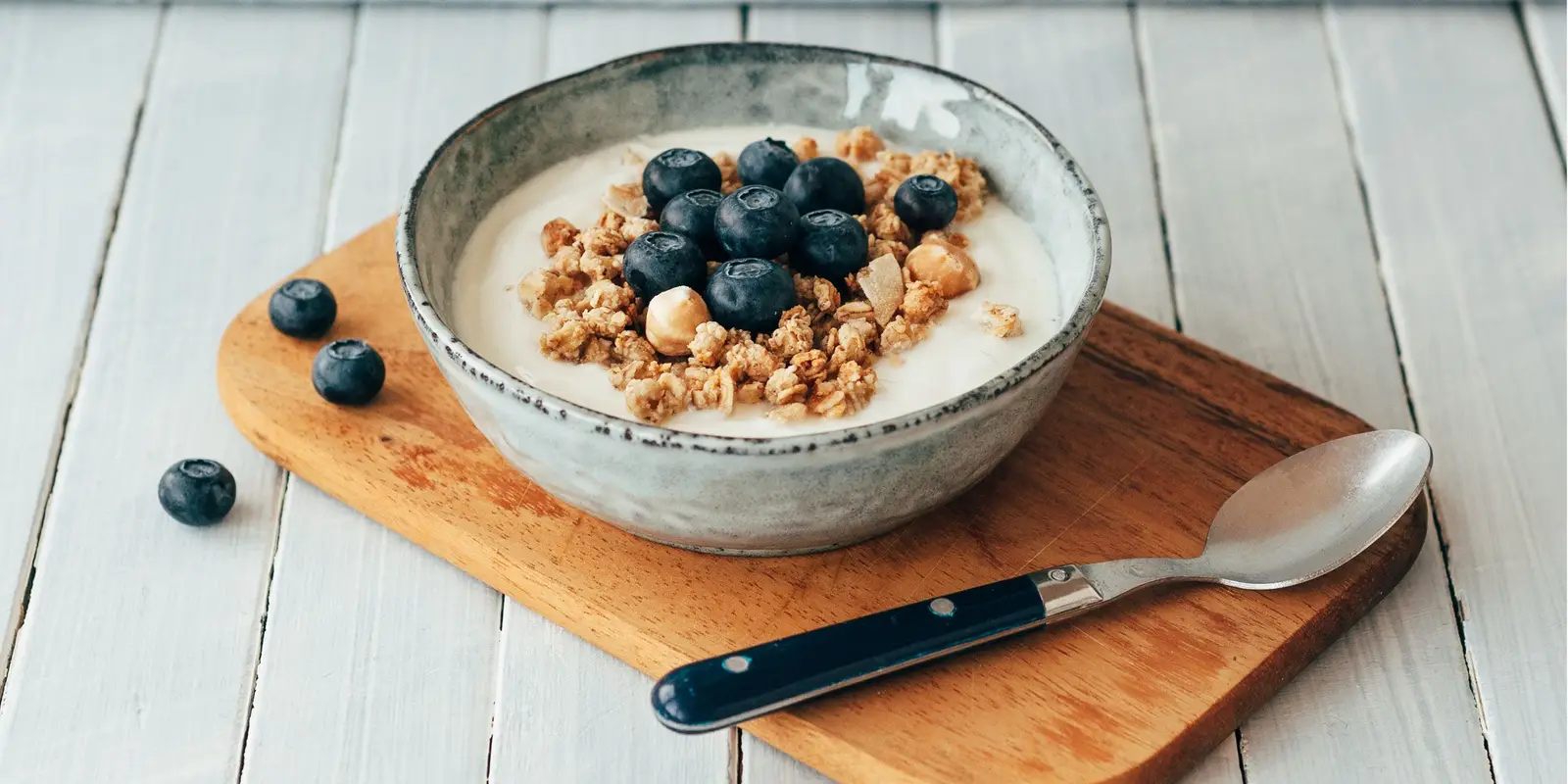
Layer plain Greek yogurt with mixed berries and granola in a bowl or glass. Add a small drizzle of honey if you like. The source recipe uses a cup of yogurt, half a cup of berries, a quarter cup of granola, and honey to taste. You can use fresh or frozen berries, thawing them first if you prefer a softer texture. [1] Granola and flavored yogurt can vary substantially in added sugar and serving size, so read labels if that matters to you. A parfait can be packed for later by keeping crunchy toppings separate until you eat. If dairy does not suit you, choose a fortified alternative with a texture and nutrient profile that meets your needs.
Timing, appetite, and routine
Some people wake up hungry, while others prefer to eat later. A morning workout, work schedule, medication instructions, or family routine may influence timing. If you feel low in energy during a long morning, a small snack or portable breakfast may help you get to a fuller meal. If you are not hungry, forcing food is not necessary for everyone. [1] Notice patterns over several days rather than drawing conclusions from one morning. Are you hungry by midmorning? Do you have time to cook? Does a particular meal sit comfortably before exercise? Make adjustments that support your routine. If a condition or prescribed treatment affects meal timing, follow individualized medical advice.
Breakfast and mood: avoid overpromising
The phrase “mood boosting” can imply more certainty than nutrition science supports. Eating regularly may help some people feel steadier when they are hungry, and an enjoyable meal can be a pleasant part of the morning. But these recipes are not a treatment for depression, anxiety, or another mental-health condition. Mood changes have many possible causes. [1] If low mood, loss of interest, anxiety, or difficulty functioning continues, consider speaking with a qualified mental-health professional or healthcare provider. A meal can be part of everyday self-care, but it should not replace support or treatment. If you feel at risk of harming yourself, contact emergency services or a crisis support service in your area.
Preparation and food safety
A little planning can make breakfast easier without requiring a full meal-prep routine. Portion oats, wash fruit, or set out a pan the night before. Keep refrigerated foods cold and clean preparation surfaces after working with raw eggs. Do not taste raw pancake batter or uncooked mixtures that contain raw eggs or flour. [1] When storing leftovers, follow safe food-handling guidance and refrigerate items promptly. Keep allergy-sensitive ingredients separate and label shared containers clearly. If you prepare breakfast for children, older adults, pregnant people, or someone with a weakened immune system, take extra care with foods that may be raw or undercooked.
Questions readers often ask
Do I have to eat breakfast? No. Needs and routines differ. Can breakfast improve my mood? It may be enjoyable and may help if hunger affects your morning, but a specific recipe cannot guarantee a mood change. Can I swap ingredients? Yes, while checking allergies and any health-related dietary needs. [1] What if I have no time? Prepare oats, fruit, or other ingredients ahead, or choose a portable option that fits your schedule. What if mornings feel difficult? Start with a small, manageable choice or eat later if that works for you. The best breakfast is not a perfect formula; it is an option that fits your life and feels workable.
A practical takeaway
Use these three recipes as starting points: warm oats with banana and almond butter, avocado toast with a thoroughly cooked egg, or yogurt with berries and granola. Each can be adjusted to taste, available ingredients, appetite, and dietary needs. A varied meal pattern matters more than any one breakfast. [1] Choose one idea to try this week and notice whether it is convenient and satisfying. You do not need to keep a food that does not suit you just because an article recommends it. If you have persistent mood symptoms or a medical nutrition question, seek advice from a qualified professional rather than relying on food claims alone.
Planning a few breakfast options ahead can make it easier to choose foods that fit your schedule and preferences [1].
Sources and further reading
- Meal PlanningU.S. Department of Agriculture, MyPlate · Accessed 2026-11-03
- Raw Flour and DoughCenters for Disease Control and Prevention · Accessed 2026-11-03
- What You Need to Know About Egg SafetyU.S. Food and Drug Administration · Accessed 2026-11-03