Fitness • Fitness Well
Squat Variations for Different Starting Points
Learn six squat options from chair-supported to loaded variations, with safe setup, modifications, and progression tips.
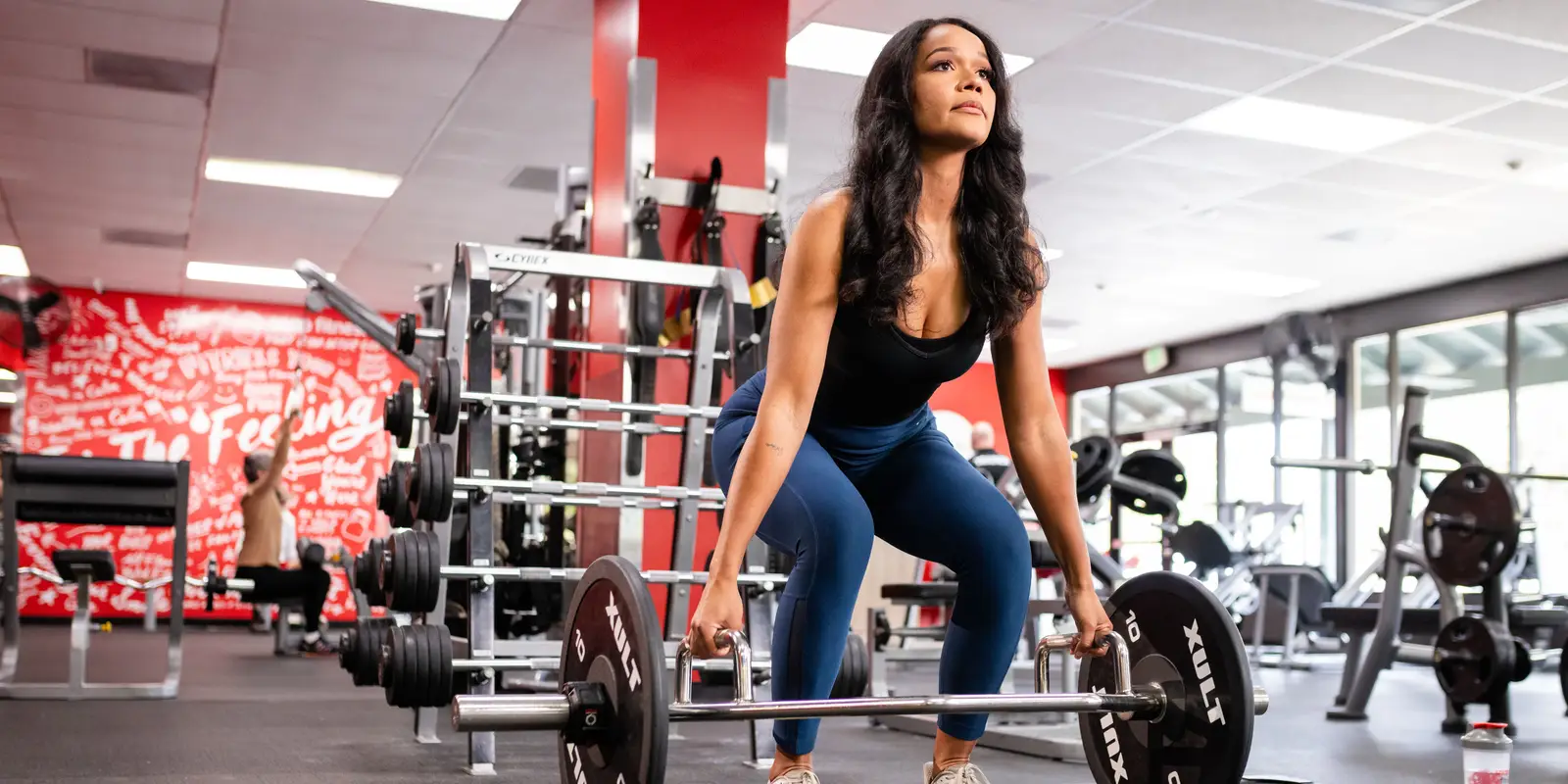
A squat is a movement where you bend at the hips and knees, then return to standing. It can be practiced with a chair, a wall, body weight, or equipment. There is no single depth or stance that fits every body. Choose a range that feels controlled and does not cause pain.
This guide offers squat variations from simpler to more demanding. It is general exercise information, not a physical therapy plan. If you have knee, hip, ankle, or back pain, a recent injury, balance concerns, or a medical restriction, ask a healthcare professional which movements are suitable.
Start with a comfortable chair squat
Place a stable chair behind you and stand with feet about hip-width apart. Reach your hips back and bend your knees enough to touch or nearly touch the chair. Pause, then press through your feet to stand. Use your hands on the chair arms or a sturdy support if needed.
Keep the movement small at first. Your knees can travel forward as you lower; do not force them into one exact position. Let them move in the same general direction as your toes, and keep your feet comfortably planted. If you feel pain or lose balance, raise the chair height or use a smaller range.
1. Wall squat
Stand with your back against a wall and feet a comfortable distance forward. Slide down a short distance, bend your knees, then press through your feet to return. You can pause briefly at a depth that feels manageable. Do not hold a deep position if your knees or back become uncomfortable.
A wall squat can offer support while you practice bending and standing. It is not necessary to hold for a long time. If you feel pressure or pain, rise and choose another variation.
2. Side squat or lateral shift
Stand with feet wider than hip-width. Shift your weight toward one side and bend that knee slightly while the other leg stays more extended. Return to center and switch sides. Keep the range small and use a counter or wall for balance.
This movement asks you to shift side to side, so it may feel unfamiliar. Keep your feet stable and do not force a deep bend. If balance is difficult, practice a small weight shift without lowering much.
3. Supported split squat
Stand near a wall or sturdy support. Place one foot forward and one foot back, with enough space to balance. Bend both knees slightly, then press through your feet to return. Complete a few controlled repetitions and switch the leg positions.
You do not need to elevate the back foot on a chair or bench. A Bulgarian split squat can be challenging and may not suit a beginner or anyone with balance limitations. Start with both feet on the floor. Use the support for balance, not to pull yourself up.
4. Single-leg squat progression
A full single-leg squat is demanding. Begin with a supported version: stand on both feet, hold a counter, and shift most of your weight to one side while bending that knee a small amount. Keep the other foot lightly on the floor as a kickstand. Return to standing and switch sides.
Only try lifting the opposite foot if the supported movement feels steady. Lower a small distance and keep the support within reach. Do not attempt a deep one-leg squat just because a video shows it. Stop if you wobble or feel joint pain.
5. Jump squat, if impact suits you
A jump squat adds impact and speed. It is not a required progression. If you already jump comfortably and have no restrictions, start with a small hop from a shallow squat and land softly with knees slightly bent. Rest between repetitions. If jumping feels uncomfortable or unsafe, use a regular chair squat or a quick sit-to-stand instead.
Do not practice jump squats on a slippery surface or when fatigued. If your landing is loud or uncontrolled, reduce the height or stop. A more intense version is not automatically a better exercise.
6. Loaded or machine squat
Once bodyweight squats feel controlled, you may add a light dumbbell held near the chest or use a machine designed for squats. Learn how to adjust the equipment before adding weight. Use a load you can lower and raise smoothly without holding your breath or twisting.
Overhead squats and barbell hack squats require more equipment and technique than a basic squat. They are not necessary for general strength. Ask a qualified trainer to demonstrate machine setup and safe lifting technique. If you cannot control the movement with a light load, return to a simpler option.
Choose a variation that matches your day
You can change the height of the chair, hold a support, reduce depth, or do fewer repetitions. Some days may call for a smaller range or no squats at all. A routine can also include other lower-body movements, such as step-ups or leg presses, if they suit your needs.
The National Institute on Aging recommends strength activity for major muscle groups and gradual increases in weight, sets, repetitions, or frequency.[1] MedlinePlus also recommends warming up and increasing exercise gradually.[2] These principles do not require you to use a specific squat variation or train to exhaustion.
Common questions
**How low should I squat?** Lower only as far as you can keep control and remain comfortable. Depth depends on mobility, strength, balance, and the goal of the exercise.
**Do my knees have to stay behind my toes?** No single cue fits every body. Let the knees move naturally while keeping the feet stable and the movement comfortable. If a position hurts, change the stance or range and seek guidance.
**Should I add weights?** Only if you can perform the bodyweight version with control and have no reason to avoid added resistance. Start light and progress gradually.
**How often should I squat?** The answer depends on your broader activity plan and recovery. Avoid repeating a demanding session when your legs are unusually tired or sore.
Stop when something feels wrong
Stop if you feel sharp pain, sudden weakness, numbness, dizziness, or loss of balance. MedlinePlus advises responding to pain and contacting a healthcare provider for muscle or joint pain that does not improve with self-care.[2] A physical therapist can assess persistent pain or help modify movement after an injury.
Keep squats practical
Squats are one way to practice lower-body strength, but they are not mandatory and do not guarantee better posture, injury prevention, or weight loss. Choose the version that fits your body and equipment. Start with a stable setup, move through a comfortable range, and progress only when you can keep control.
Sample practice session
Start with a few minutes of easy walking or seated marching. Practice five chair squats, then rest and notice how your knees and hips feel. If comfortable, repeat once. On another day, you might try supported split squats instead of adding more repetitions. This small session is only an example; your clinician or trainer may recommend a different approach.
Keep a chair or stable counter close during standing variations. Do not use a lightweight folding chair or rolling stool for support. If you practice at a gym, make sure the area around the machine is clear and ask staff how to adjust safety stops. A spotter or trainer can help with equipment setup, but they should not encourage you to continue through pain.
Sources and further reading
- Three Types of Exercise Can Improve Your Health and Physical AbilityNational Institute on Aging · Accessed 2026-11-03
- How to avoid exercise injuriesMedlinePlus, U.S. National Library of Medicine · Accessed 2026-11-03