Nutrition • Fitness Well
5 Simple Ways to Make Water More Appealing
Try citrus, fruit, herbs, temperature changes, and simple routines to make water more enjoyable without health claims.
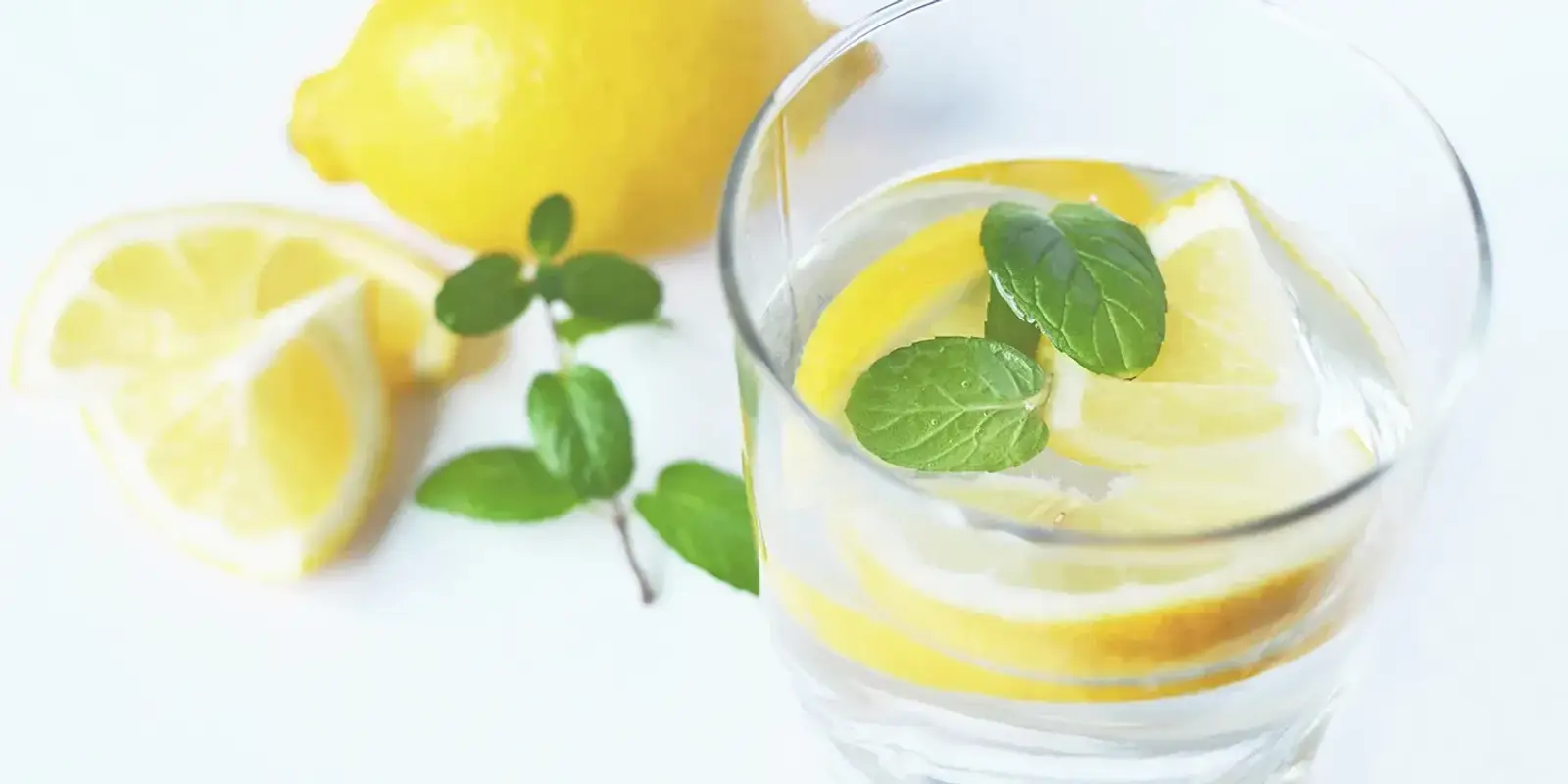
Water does not need to be complicated to be refreshing. If plain water is not your favorite, a change in temperature, bubbles, citrus, herbs, or fruit may make it more appealing. These additions are flavor ideas, not detoxes or treatments. The drink still needs to fit your preferences and any medical advice you have received.
Your fluid needs vary with factors such as age, sex, pregnancy, activity, and breastfeeding. Fluids come from water and other beverages, and foods with high water content also contribute.[1] There is no single cup target that fits every person. If a clinician has recommended a fluid limit or a specific plan, follow that guidance.
1. Add citrus for a bright flavor
Squeeze a lemon or lime wedge into a glass, or add a thin slice to a pitcher. Start with a small amount and taste before adding more. Orange or grapefruit slices offer a different flavor; if you take medication, ask a pharmacist whether grapefruit is safe with it, because grapefruit can interact with some medicines.
Citrus can make water taste sharper without requiring a sweetener. Try it in cold water, room-temperature water, or sparkling water. You can add a few leaves of mint or basil for an herbal note. Wash fresh produce under running water before cutting it, as the FDA recommends for fruits and vegetables.[2]
A pitcher with fruit can be prepared ahead, but keep it refrigerated and use clean utensils. Remove the slices when the flavor is strong enough for you. If a citrus drink bothers your mouth or stomach, skip it; plain water or another unsweetened option is fine.
2. Use berries or cucumber
Add a few washed berries to a glass or pitcher. Gently press one or two to release flavor, then let the water sit briefly. You can also try cucumber slices, melon, or a combination that sounds good. The goal is a subtle taste, not a heavily sweetened beverage.
Frozen berries are convenient and can cool a drink as they thaw. They also work when fresh fruit is expensive or out of season. Use a clean container and refrigerate fruit-infused water if you are keeping it for later. If you do not like bits of fruit in the glass, use a pitcher and strain before serving.
Do not expect fruit-infused water to provide the same nutrition as eating the fruit. A few pieces add flavor; they do not turn water into a meal or a source of meaningful energy. You can eat the fruit too if it is fresh and appealing, or compost it where available.
3. Try mint, basil, or other herbs
A few mint leaves can make cold water taste crisp. Basil, rosemary, or a thin slice of ginger may suit different flavor preferences. Rinse herbs under running water, bruise them gently between clean fingers, and add them to a glass. Start with one herb at a time so it is easy to tell what you like.
If you do not want leaves floating in your drink, put herbs in a reusable infuser or strain them after steeping. You can also make a mild unsweetened herbal infusion and chill it. Read product labels if you are using packaged tea or flavor drops, since some products contain caffeine, sweeteners, or other ingredients.
Fresh herbs are optional. A small amount of lemon juice, a no-sugar flavoring, or a familiar unsweetened tea can also add variety. You do not need to buy a special product to make water more enjoyable.
4. Change the temperature or texture
Some people prefer ice-cold water; others find room-temperature water easier to drink. Fill a bottle and refrigerate it, add ice, or keep a thermos for warm water. A reusable bottle can make water available during a commute, class, or workday. Carry a container that is easy to clean and does not leak.
If you enjoy carbonation, try plain sparkling water or seltzer. Add citrus or berries if you like. Check the label: flavored sparkling waters vary, and some contain added sugars or caffeine. The CDC lists sparkling water and seltzer among low-calorie beverage options, while noting that drinks differ in their ingredients.[1]
For outdoor activity or hot weather, keep a drink accessible and take breaks as appropriate for your situation. Needs can change with heat, exercise, fever, vomiting, or diarrhea.[1] This does not mean you should force a large amount quickly. If you are unwell or unsure what is appropriate, get medical advice.
5. Make a low-sugar routine you will use
Some people drink more water when they connect it with an existing part of the day. Put a glass by the table, take a few sips with meals, or refill a bottle before leaving home. A reminder can help if you often forget, but turn it off if alerts become annoying. The point is convenient access, not constant tracking.
If you usually choose soda, sweet tea, sports drinks, or sweetened coffee, try replacing one serving with water or an unsweetened option if that fits your needs. CDC notes that water has no calories and that replacing sugary drinks with plain water can reduce calorie intake.[1] This is an optional swap, not a requirement or a judgment about what you drink.
Honey, syrups, and sugar can make water taste sweeter, but they also add sweetness and can make it less like plain water. If you enjoy a lightly sweet drink, use a small amount and decide whether you want it regularly. You can also try a splash of juice, then gradually use less if your goal is a subtler flavor.
A note on chia and other add-ins
Chia seeds swell when they absorb liquid and change a drink’s texture. If you decide to use them, follow the product instructions, stir well, allow time for them to hydrate, and drink the mixture in a way that feels comfortable. Do not swallow a spoonful of dry seeds with a sip of water; dry seeds can absorb fluid and expand. People with swallowing difficulties or questions about a particular ingredient should ask a clinician before using it.
Add-ins are not necessary for hydration. Mint, lemon, berries, chia, and honey do not make water a cure for infection, sore throat, digestive problems, skin concerns, or low energy. The original source makes claims about these effects that should not be assumed. Water can help prevent dehydration and supports normal body functions, but it is not a substitute for medical care.[1]
Keep food safety simple
Wash fresh fruit and herbs under running water before preparing them. The FDA says washing can reduce bacteria that may be present but does not eliminate it; soap, detergent, and household cleaners should not be used on produce.[2] Keep cut fruit and prepared drinks refrigerated when they will not be consumed right away, and discard anything that looks spoiled.
Find a version that suits you
Try one change at a time: cold water, citrus, a few berries, mint, or plain sparkling water. Use ingredients you already have and stop using anything that tastes unpleasant or causes discomfort. If plain water works for you, there is no need to make it more elaborate. If a medical condition, medication, or clinician’s advice affects fluid intake, use that individual plan.
A satisfying drink should be safe, convenient, and enjoyable. Make a small pitcher, keep a bottle nearby, or choose a glass at a temperature you like. Flavor can make the routine more pleasant, but the simplest option remains water itself.
Sources and further reading
- About Water and Healthier DrinksCenters for Disease Control and Prevention · Accessed 2026-11-03
- Selecting and Serving Produce SafelyU.S. Food and Drug Administration · Accessed 2026-11-03