Fitness • Fitness Well
7 Simple Cool-Down Exercises After a Workout
Choose from seven gentle post-workout movements with clear limits on stretching, recovery claims, and hydration rules.
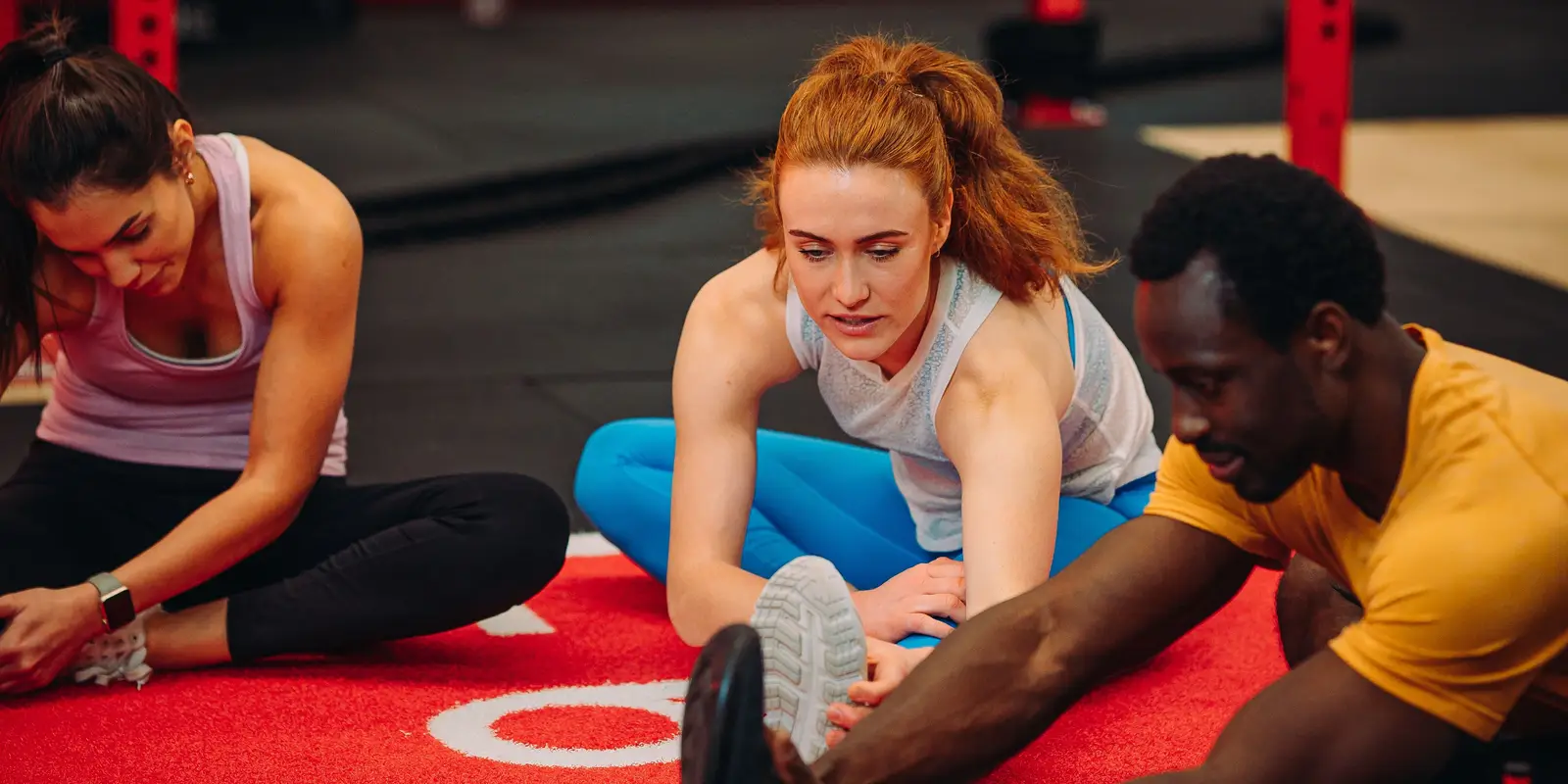
A cool-down is an easy transition from a workout toward rest. It can include slower movement and optional gentle stretches. You do not need to complete every movement in this guide, and a cool-down does not guarantee that you will avoid soreness or injury.
MedlinePlus recommends slowing down for about 5 to 10 minutes at the end of exercise to let heart rate and body temperature move toward normal.[1] Stretching is optional; evidence that it prevents injury is unclear.[1] Choose the movements that match the workout you did and how your body feels.
1. Easy walk or pedal
After running, brisk walking, cycling, or an interval session, reduce the pace gradually. Walk or pedal easily for several minutes. Keep the movement comfortable and let breathing settle. If you feel unsteady, stop near a stable support or sit down.
If your workout was strength training, walk around the room or move your arms and legs gently. A long cardio cool-down is not necessary after every session. Use enough time to transition comfortably rather than following a fixed timer when your body needs something different.
2. Wall calf stretch
Stand facing a wall and place both hands on it. Step one foot back, keeping the heel on the floor and the back leg comfortable. Bend the front knee slightly and lean toward the wall until you feel a mild stretch in the back calf. Hold for 15 to 30 seconds while breathing normally, then switch sides.
If the heel lifts or the stretch feels sharp, move the back foot closer or reduce the lean. You can also stretch while seated by extending one leg and gently flexing the foot. Do not bounce or push into pain.
3. Supported quadriceps stretch
Stand next to a wall or sturdy chair. Hold the support with one hand and bend the other knee, bringing the heel toward the back of the thigh only as far as comfortable. If you can reach the ankle without twisting, hold it gently; otherwise, loop a towel around the ankle or skip the stretch. Keep knees close and torso upright.
Hold briefly, then release and switch sides. Stop if you feel knee pain, cramping, or unsteadiness. A side-lying version may be easier for some people, but getting down to and up from the floor must be safe for you.
4. Seated hamstring hinge
Sit toward the front of a stable chair. Extend one leg with the heel on the floor and toes pointing upward. Keep your back long and hinge forward slightly from the hips until you feel a gentle stretch in the back of the thigh. Rest your hands on the other leg or the chair; do not pull on the foot.
Hold for 15 to 30 seconds, then sit upright and switch sides. You should feel a mild stretch, not pain or tingling. If this position strains your back, skip it or ask a professional for another option.
5. Chest and shoulder opening
Stand beside a wall or doorframe. Place one forearm lightly against it at a comfortable height and turn your chest away a small amount until you feel a gentle opening across the front of the shoulder or chest. Keep the shoulder relaxed and do not twist forcefully. Hold briefly, then change sides.
If you have shoulder pain or limited range, use a smaller movement or skip this stretch. You do not need to hold your arms in an uncomfortable position to complete a cool-down.
6. Gentle seated upper-back movement
Sit with feet supported. Place hands on your thighs, then gently round the upper back as you exhale. Return to a comfortable upright position as you inhale. Repeat a few times without forcing the neck or lower back. You can also roll the shoulders slowly if that feels comfortable.
Keep the movement small. If bending or rounding causes pain, stay upright and take a few easy breaths instead. A cool-down should not add a new challenge after your workout.
7. Quiet breathing pause
Sit or stand in a comfortable position. Let your breathing return to its normal rhythm. Notice the chair or floor supporting you, and relax your hands. There is no need to take deep breaths or hold them. If paying attention to breathing feels unpleasant, look around the room or focus on another neutral sensation.
This pause can help you end the session calmly, but it does not have to produce a particular emotional effect. You can skip it or use a different transition that suits you.
Choose a few, not all seven
For a short cool-down, an easy walk followed by one or two gentle stretches may be enough. After a leg-focused workout, you might choose the calf and hamstring stretches. After an upper-body session, you might choose the chest opening and seated upper-back movement. After swimming, simply walking and letting breathing settle may be more practical.
Do not stretch every muscle group for a set number of minutes because an online checklist says so. MedlinePlus suggests stretching only within a comfortable range and advises against bouncing.[1] If you have a known injury or were given a rehabilitation plan, follow your clinician’s instructions instead of using a generic routine.
Hydration and post-workout food
Drink according to your needs and any medical advice you follow. The CDC notes that fluid needs vary by age, activity, climate, pregnancy, and other factors.[2] You do not need to force a fixed volume after every workout. If you are thirsty, water is available, or your clinician has given you a hydration plan, use that guidance.
A special recovery shake is not required for everyone. A regular meal or snack that suits your preferences can be part of normal eating. If you have a medical nutrition plan, follow it rather than a generic post-workout rule.
Stop if the cool-down causes symptoms
Stop for sharp pain, chest pressure, faintness, sudden weakness, or severe shortness of breath. Seek medical advice for symptoms that concern you or do not settle. A cool-down is not a way to treat an injury or push through pain.
The purpose is simple: lower the pace, move gently if comfortable, and finish the session in a way that fits your body. Use the options you like, leave out the rest, and make the transition as short or long as you need.
Cool down with the equipment you used
On a treadmill, reduce the speed before stepping off and hold the rails only as needed for balance. On a stationary bike, lower resistance gradually while keeping your feet secure. After swimming, slow the pace before leaving the pool and use the handrail on the steps. After a strength session, put away weights safely, then walk or move gently for a few minutes. These are practical transitions; they do not require a special device.
If a class ends abruptly, step to the side where there is room and walk slowly until your breathing settles. Do not stretch in a crowded aisle or near moving equipment. If a floor stretch is difficult to enter or exit, choose a seated or standing option. You can also stop after the slower movement and omit stretches.
If time is short
A shorter cool-down is still an option. Reduce pace for a few minutes, put equipment away carefully, and take a moment to notice how you feel. If you need to leave, avoid racing from hard intervals to a sprint out the door. Plan a shorter workout next time if you consistently do not have enough time for a comfortable finish.
Sources and further reading
- How to avoid exercise injuriesMedlinePlus, U.S. National Library of Medicine · Accessed 2026-11-03
- About Water and Healthier DrinksCenters for Disease Control and Prevention · Accessed 2026-11-03