Fitness • Fitness Well
5 Practical Recovery Habits After a Workout
A measured guide to rest, meals, hydration, gentle movement, and sleep after exercise—without promising instant recovery.
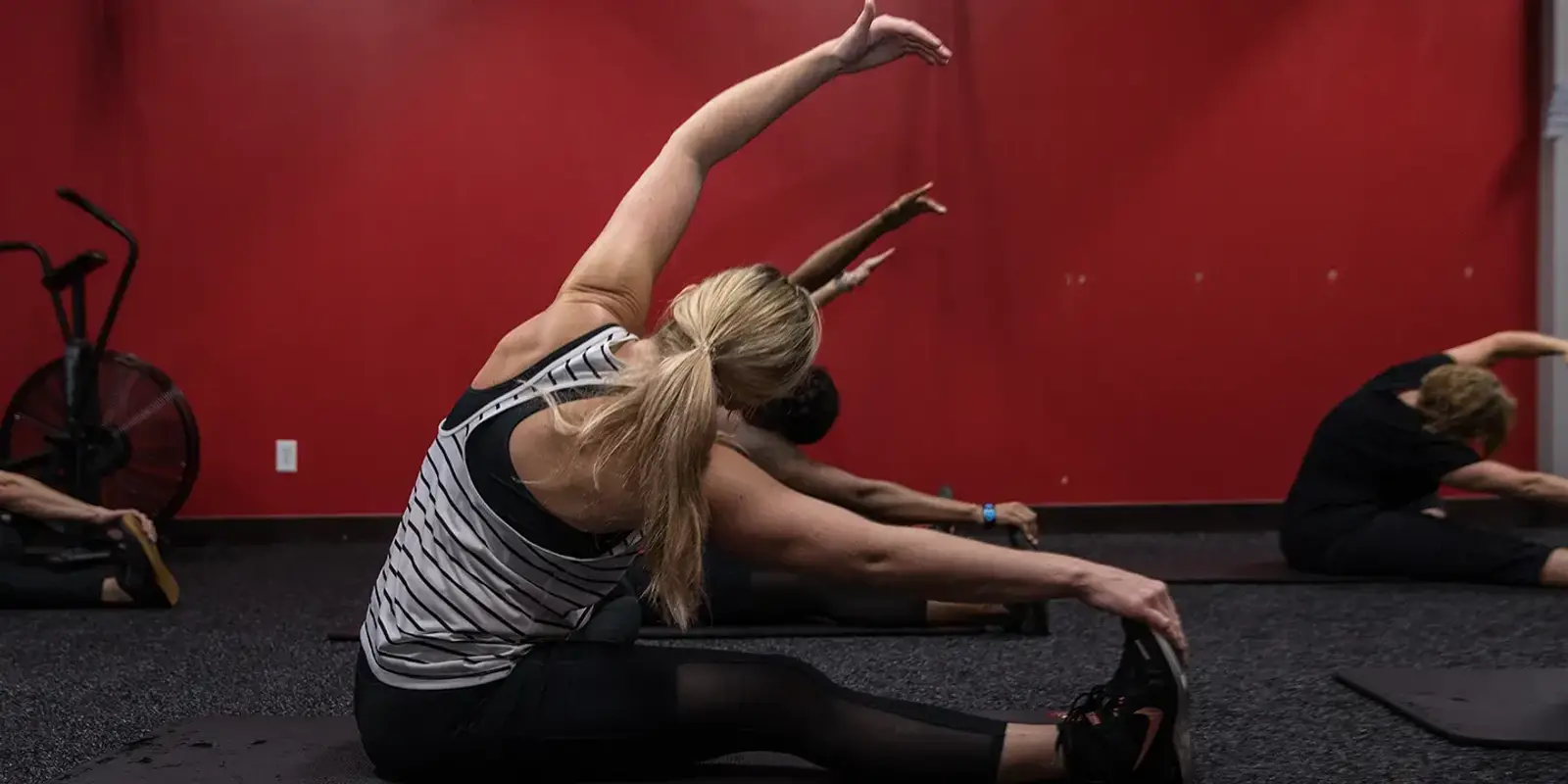
Feeling sore after exercise does not prove that a workout was effective, and soreness is not a goal you need to chase. A challenging session may leave you tired, but severe pain or difficulty with ordinary movement is a reason to reassess the plan. Recovery is part of training: it gives you time to notice how your body responded and decide what is appropriate next.
These five habits offer general ways to approach recovery. They do not guarantee that soreness will disappear or prevent every injury. Your needs depend on the activity, your health, sleep, food access, and previous training. Follow individualized advice from a healthcare professional when you have an injury or medical condition.
1. Schedule rest and vary hard sessions
You do not need to train the same muscles hard every day. Plan easier days and avoid adding extra workouts just because you feel motivated. Rest can mean doing no formal exercise, or choosing an ordinary activity that does not feel strenuous. If you feel unusually tired, your performance is dropping, or soreness keeps returning, reduce the workload and consider more recovery time.
MedlinePlus lists persistent tiredness, mood changes, trouble sleeping, sore muscles, heavy limbs, and overuse injuries among possible signs of exercising too much.[1] Those symptoms can have other causes, so do not use a checklist to diagnose yourself. If fatigue or pain continues after reducing activity, talk with a healthcare provider.
A rest day is not lost progress. It is a chance to see whether the amount of training fits your current life. If your schedule only allows one or two sessions, build around that rather than copying the routine of someone with different goals and experience.
2. Eat regular meals and include protein foods
You do not need a special recovery shake after every workout. A regular meal or snack can include foods you already eat, such as yogurt and fruit, eggs with toast, beans and rice, or a sandwich with a protein filling. A mix of familiar foods may be easier to sustain than buying a product marketed for rapid recovery.
Protein is needed for muscle tissue, and the NIH Office of Dietary Supplements notes that adequate protein in the diet supports the training response and recovery period.[2] The amount an individual needs depends on factors such as health, age, activity, and overall diet. The source does not mean that more protein is always better or that everyone needs a supplement. People with kidney disease or another condition affecting nutrition should ask a clinician or registered dietitian for individualized advice.
If you exercise late or have little appetite immediately afterward, you can eat when it is comfortable. Avoid rigid rules about a narrow “window” unless a qualified professional has provided a plan for a specific reason. A protein bar, powder, or drink is optional; check ingredients and consider allergies, cost, and medical restrictions before using one.
3. Drink according to your needs
Water supports normal body functions, and hydration needs can vary with activity, heat, age, sex, pregnancy, and other circumstances.[3] A hard workout in warm conditions may involve more sweating than a short indoor session, but that does not mean everyone needs the same amount of fluid afterward. Drink when you are thirsty and keep water accessible, while following any fluid limits you have received from a clinician.
Sports drinks are not automatically necessary after an ordinary workout. They may contain added sugars or other ingredients. For longer or intense activity, heat exposure, or heavy sweat loss, individual needs can differ; ask a qualified professional if you are unsure what to replace. Avoid forcing large volumes quickly.
A bottle can help you remember to drink, but constant tracking is not required. If you feel ill, dizzy, confused, or unable to keep fluids down, seek medical advice. Do not treat water as a solution for persistent pain, severe fatigue, or a possible injury.
4. Use gentle movement only if it feels comfortable
Some people prefer to move lightly on a day between challenging workouts. A relaxed walk, easy cycling, or a comfortable mobility routine may fit. Keep the effort low enough that you can talk and stop if symptoms worsen. You can also choose full rest; active recovery is an option, not a requirement.
If you try foam rolling or a massage ball, use light pressure and avoid rolling directly over bones, joints, bruises, or an injured area. It should not feel like you are forcing tissue to change. Stop if you feel sharp pain, numbness, tingling, or worsening symptoms. These tools may feel pleasant to some people, but they are not proven shortcuts that guarantee faster tissue repair.
The CDC advises adjusting activity when pain occurs, including doing less often, for a shorter time, or at lower intensity, and seeking medical care for certain persistent or severe symptoms.[4] This page focuses on arthritis-related pain, so its guidance may not fit every situation. Use it as a reminder to take pain seriously, not as a substitute for a clinician's assessment.
5. Make sleep part of your routine
Set aside enough time to sleep and make the sleep space comfortable where you can. A regular wind-down cue—dim the lights, prepare clothes for the next day, or read something calming—may help you transition from activity to rest. Sleep schedules are affected by shift work, caregiving, stress, illness, and living conditions, so use a routine that is realistic for your circumstances.
Do not interpret a poor night's sleep as a reason to punish yourself with a harder workout. If you are unusually sleepy, adjust activity so you can move safely. If sleep problems happen often or affect daytime functioning, ask a healthcare professional for help. Sleep is one part of recovery, but no single night determines whether training was worthwhile.
Tell soreness from a reason to get help
Mild temporary discomfort after unfamiliar activity can happen, but pain is not a reliable measure of workout quality. Stop exercising if you feel sharp, severe, or sudden pain, lose strength or sensation, or cannot use the affected area normally. Seek medical advice when pain is worsening, persists, follows a significant injury, or comes with swelling, fever, chest pain, faintness, or unusual shortness of breath.
When in doubt, pause the activity. Write down what you were doing, where symptoms started, and what makes them better or worse. That information can help a clinician understand the situation. Do not resume intense exercise simply because a calendar says it is a training day.
Make the next workout more manageable
Use recovery information to adjust one part of the routine. Reduce the weight, shorten the session, add a rest day, or choose a different activity. Increase training gradually rather than changing duration, intensity, and frequency all at once. If the same movement repeatedly causes pain, seek professional guidance instead of trying to work through it.
A sustainable plan can include hard sessions, lighter days, and time away from formal exercise. Eat foods that suit your needs, drink appropriately, and give yourself room to sleep and recover. Skip products that promise instant repair or claim soreness proves success. Recovery is a personal process, and the safest next step is the one that matches how you feel and any medical guidance you have.
Sources and further reading
- Are you getting too much exercise?MedlinePlus, U.S. National Library of Medicine · Accessed 2026-11-03
- Dietary Supplements for Exercise and Athletic Performance — ConsumerNational Institutes of Health, Office of Dietary Supplements · Accessed 2026-11-03
- About Water and Healthier DrinksCenters for Disease Control and Prevention · Accessed 2026-11-03
- Pain During or After ExerciseCenters for Disease Control and Prevention · Accessed 2026-11-03