Fitness • Fitness Well
5 Practical Ways to Restart a Fitness Routine
A gradual, adaptable plan for returning to exercise with manageable goals, enjoyable activities, and room for recovery.
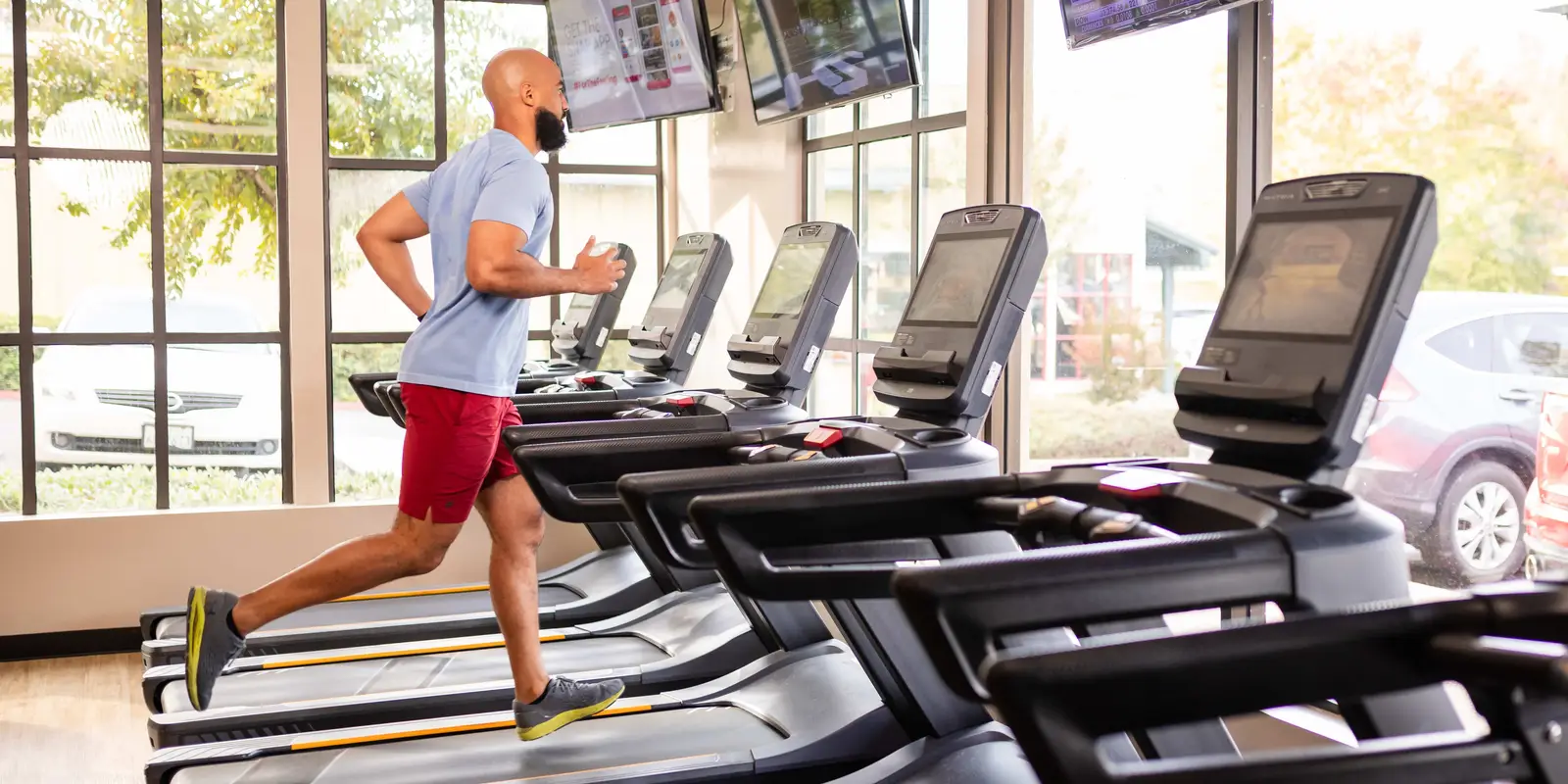
Returning to exercise after a break can bring mixed feelings: you may be eager to start, unsure where to begin, or frustrated that your old routine no longer fits. You do not have to recreate your previous schedule on day one. A useful restart is one that matches your current life and can be adjusted when work, family, health, or energy changes.
The five steps below focus on a gradual, practical return. They are general ideas, not a personalized training program. If you have symptoms, an injury, a chronic condition, or questions about safe activity, ask a healthcare professional for guidance.
1. Begin with a small amount you can repeat
Choose a short activity that feels manageable: a walk, a few minutes on a stationary bike, a beginner class, or a simple bodyweight sequence. The first session does not need to make up for time away. It only needs to help you learn what feels comfortable today.
If even a short workout feels like too much, break it into smaller pieces or choose gentle movement. U.S. physical activity guidance says people who are inactive can start with small amounts and build toward weekly goals over time.[1] That supports a gradual restart rather than an all-or-nothing leap. Your own starting point may differ from a friend’s or from what you could do in the past.
Set up the first session so it is easy to begin. Put shoes by the door, choose a route, or decide which video you will use. Keep a backup option for bad weather or a busy day. A ten-minute walk near home may be easier to repeat than a long trip to a gym.
2. Set a goal based on actions you control
A goal such as “get healthier quickly” is hard to measure and may create pressure. Make the next step specific: “walk after lunch on Tuesday and Thursday” or “attend one beginner class this week.” You can also choose a skill goal, such as learning how to adjust a machine or practicing a movement with light resistance.
Separate the goal from the outcome. You control whether you schedule an activity; you do not fully control how fast fitness, strength, or body composition changes. A missed session is information about the plan, not a verdict on your character. If a goal keeps failing because of timing, reduce the commitment or move it to a more realistic part of the week.
Track only what helps. A calendar mark, short note, or phone reminder may show whether a schedule is workable. You do not need to track calories, body measurements, heart rate, or performance unless you want to and have a safe reason to do so. Keep the process simple enough that tracking does not become another task you avoid.
3. Choose movement you want to return to
Enjoyment matters because it affects whether an activity fits your routine. Try different options: dancing, walking with a friend, swimming, cycling, gardening, a group class, or strength training at home. You may enjoy variety more than repeating the same workout. You may also prefer solo activity, a social setting, or movement built into daily tasks.
Consider access and comfort. Is the location reachable? Do you have the needed equipment? Does the activity work with your mobility, sensory needs, schedule, budget, and climate? If not, look for a modification or another activity. A routine should fit the person doing it.
You can use the talk test as a rough way to think about moderate effort: during moderate-intensity activity, people can usually talk but not sing; during vigorous activity, they can say only a few words before pausing for breath.[2] This is a general description, not a medical test. If you have symptoms or a condition that changes how exertion feels, ask a clinician how to monitor intensity.
4. Leave room for rest and recovery
A restart does not require hard training every day. Plan easier days and choose a comfortable pace while your routine is new. Sleep, everyday demands, illness, and soreness can affect how you feel. If you are unusually tired, reduce the session or rest rather than trying to force a personal best.
Use the days between workouts for ordinary activities or gentle movement you already know is comfortable. A rest day does not mean that you failed to be active. It can be part of a plan that allows you to return with good control. Avoid treating stretching, foam rolling, or supplements as mandatory recovery steps; choose them only if they suit you and do not cause discomfort.
Pay attention to warning signs. Stop exercising if you develop chest pain or pressure, severe shortness of breath that does not settle, faintness, or sudden weakness. For muscle or joint pain that does not improve with self-care, get professional advice. MedlinePlus recommends warming up, increasing gradually, and responding to pain rather than pushing through it.[3]
5. Adapt when life interrupts
Work deadlines, caregiving, travel, illness, and weather can disrupt even a good schedule. Build flexibility in advance. If you cannot complete a full workout, use a shorter version. If the gym is unavailable, take a walk or use a safe home option. If your planned day passes, choose the next workable time instead of waiting for a new week or month.
It may help to create “full,” “short,” and “rest” versions of your plan. For example, a full session could be a class, a short version could be ten minutes of walking, and a rest version could be planning the next session. These are not equal workouts; they are choices for different circumstances. The short option preserves a routine without pretending it replaces every training goal.
If the plan repeatedly breaks down, ask what is getting in the way. The issue may be the commute, cost, timing, pain, childcare, or a type of exercise you do not enjoy. Change the obstacle where possible. Progress may require a new activity or schedule, not more discipline.
Build toward a broader weekly routine
The federal guideline for adults is to work toward 150 to 300 minutes of moderate-intensity aerobic activity each week and muscle-strengthening activities on at least two days.[1] People who are inactive can build toward those amounts over time.[1] These are broad public-health targets, not individualized prescriptions. People with disabilities or chronic conditions can be active in ways that suit their abilities, and a clinician can help adapt activity when needed.
As the routine becomes familiar, increase only one aspect at a time: how often you go, how long you move, or how challenging the activity feels. Make a small change and observe how you respond. If pain, fatigue, or other symptoms rise, reduce the demand and seek advice when needed. Avoid jumping from a few short sessions to a demanding daily plan because motivation is high this week.
Measure progress in more than one way
Progress can mean showing up, learning a new skill, finding a schedule that fits, or returning after an interruption. It may also mean discovering that a certain movement is not right for you. Record wins that matter to your goal, not only speed or weight lifted. If numbers create stress, use a simple note about consistency and comfort instead.
Fitness changes are not perfectly linear. A busy week, illness, travel, or a missed class does not erase earlier effort. Revisit the plan, choose the next safe opportunity, and continue at a pace that suits your current condition. If you have ongoing symptoms, repeated pain, or difficulty returning after injury, talk with a healthcare professional or qualified exercise professional.
Make the next session easy to start
Before you finish today, decide what the next small step will be and when it might happen. Put the needed shoes or equipment where you will see them. Choose an activity you can tolerate and perhaps enjoy. Keep your expectation modest: begin, notice how it feels, and adapt. A sustainable fitness journey is built from repeatable choices, not from one intense restart.
Sources and further reading
- Physical Activity Guidelines Questions & AnswersU.S. Department of Health and Human Services, Office of Disease Prevention and Health Promotion · Accessed 2026-11-03
- Measuring Physical Activity IntensityCenters for Disease Control and Prevention · Accessed 2026-11-03
- How to avoid exercise injuriesMedlinePlus, U.S. National Library of Medicine · Accessed 2026-11-03