Mental Wellbeing • Fitness Well
How Physical Activity Can Support Mental Wellbeing
Explore practical movement options and evidence limits, with guidance on balancing exercise and professional mental health support.
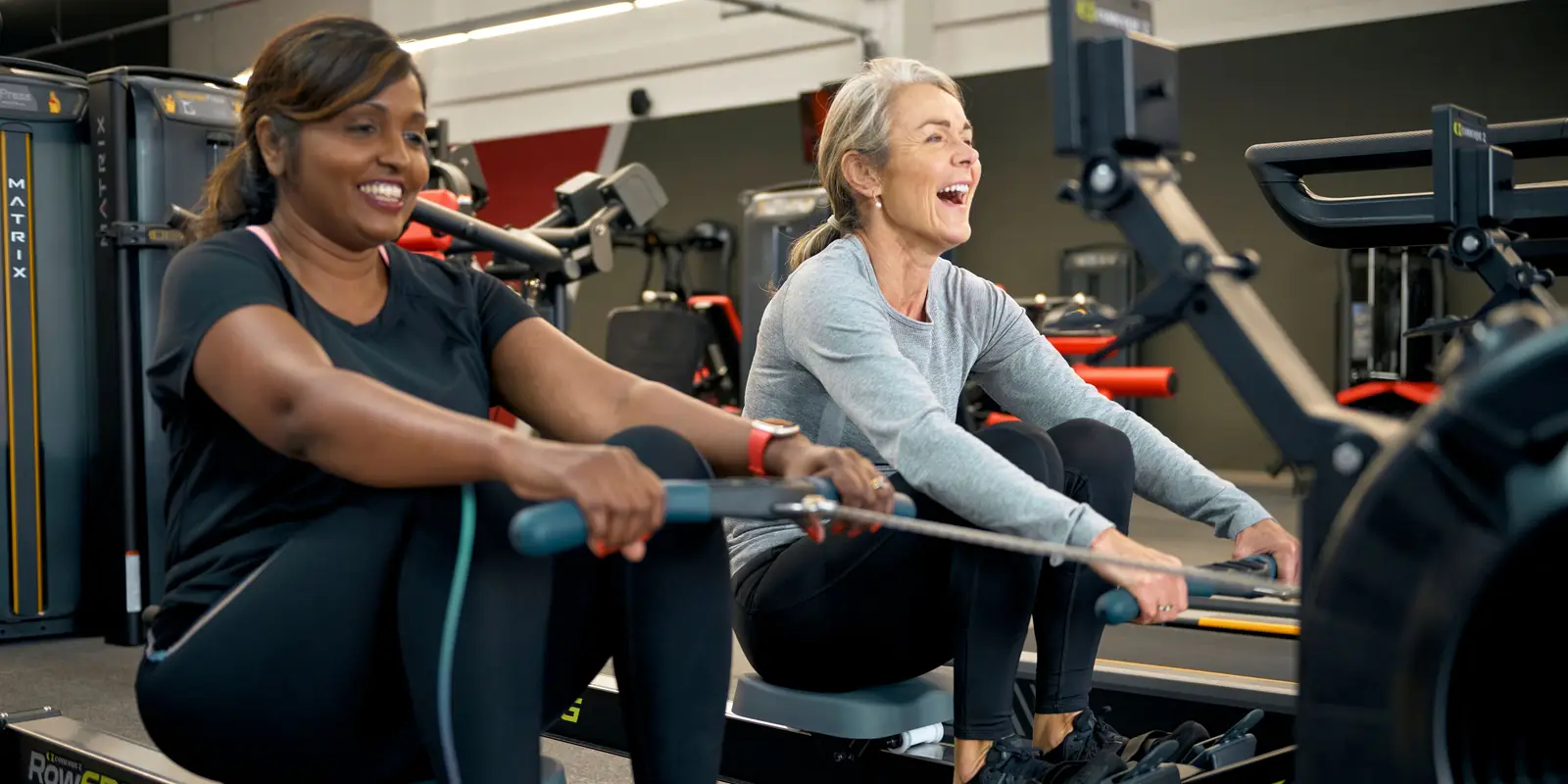
Physical activity can be one part of caring for mental wellbeing, but it is not a cure for depression, anxiety, or other mental health conditions. People respond differently, and exercise cannot remove difficult circumstances or replace treatment. A more realistic goal is to find movement that feels accessible and can fit alongside other forms of support.
The Centers for Disease Control and Prevention (CDC) reports that a single session of moderate-to-vigorous activity can reduce short-term feelings of anxiety in adults, and that regular activity is associated with reduced risk of depression and anxiety.[1] These findings describe population-level benefits, not a guaranteed outcome for an individual. NIMH includes regular exercise among possible self-care practices and notes that self-care looks different for each person.[2]
Choose movement you can access
Exercise does not need to be intense or take place in a gym. Walking, dancing, gardening, cycling, swimming, chair-based movement, or a short home routine may fit different bodies and schedules. Choose an activity you enjoy or can access. If pain, disability, illness, weather, transportation, or cost changes what is possible, try another option or take a rest day.
Start with a small amount if you are new to activity or returning after a break. You might walk for several minutes, stretch gently, or do one movement between tasks. Federal guidance encourages adults to work toward 150 minutes of moderate-intensity aerobic activity each week plus muscle-strengthening activity on at least two days, but people who are inactive can build gradually.[3] Those targets are not a test of whether you deserve care or are “doing enough.”
Use activity as one coping option
A short walk or movement break can offer a change of setting. You might go outside, move with a friend, or follow a low-impact video. The CDC describes physical activity as one way to support emotional wellbeing, while also recommending breaks, relaxation, and social connection as stress-management options.[1] You can combine these ideas, or choose something else that feels more helpful.
If movement makes you feel worse, stop and choose a different option. Exercise should not be used as punishment for eating, a way to earn rest, or a requirement before you are allowed to feel good. If an activity brings up pain or difficult emotions, talk with a healthcare professional or trusted support person.
Make goals small and specific
A broad goal such as “get fit” can be difficult to act on. Pick a next step you control: take a ten-minute walk on Tuesday, try one beginner class, or put a resistance band beside your desk. Plan a short backup option for a busy day. If you miss the session, choose another opportunity rather than doubling the next workout.
Track only what helps. You might write down the activity and how it felt, or simply mark a calendar. You do not need to count calories, compare your pace with someone else, or maintain a perfect streak. If tracking creates stress, stop using it.
Include other supports
Movement is only one part of mental health care. NIMH lists regular meals, hydration, sleep, relaxing activities, priorities, gratitude, and staying connected as possible self-care practices.[2] These supports are not a replacement for professional care when it is needed. You can choose one small practice at a time and adjust it to your circumstances.
If social support helps, ask someone to walk or sit with you. If you prefer privacy, choose a solo activity. If you do not have a safe or accessible place to exercise, consider an indoor setting, community program, or home-based movement. Support should fit your life rather than create new pressure.
Build a weekly rhythm without overdoing it
If a regular schedule works for you, choose days and times that are realistic. You might pair a short walk with a routine you already have, such as lunch or the end of work. Include easier days and rest. If you are recovering from illness, injury, or a period of high stress, ask a clinician how to return gradually.
The CDC talk test can help estimate aerobic effort: at moderate intensity, you can usually talk but not sing; at vigorous intensity, you may say only a few words before pausing for breath.[4] You can keep activity easy if that feels right. A high-intensity workout is not required to support wellbeing.
Notice what changes—and what does not
After activity, you may feel different, or you may not notice a clear change. Either response is normal. The value of movement does not depend on immediately feeling happier. Consider whether the activity fit your energy, body, and day. Keep it, modify it, or choose something else.
If you notice ongoing low mood, anxiety, loss of interest, sleep changes, or difficulty completing usual tasks, do not assume exercise alone will resolve it. NIMH advises seeking professional help for severe or distressing symptoms lasting two weeks or more, including difficulty sleeping, appetite changes, difficulty concentrating, or trouble completing daily activities.[5] Seek support sooner if you are concerned or feel unsafe.
If you are thinking about suicide or self-harm in the United States, call or text 988 for immediate support; call 911 in a life-threatening emergency.[5] Outside the United States, contact your local crisis service or emergency number.
Keep the plan compassionate
Movement can be a useful option in a broader wellbeing routine, but it is not a moral obligation or a substitute for mental health care. Start where you are, choose activities that fit your abilities, and give yourself permission to change the plan. If exercise supports you, keep it. If it does not, there are other ways to seek care and connection.
When energy is low
Some days, a full workout may feel impossible. You can choose a shorter version, sit outside, stretch gently, or rest. If you want to move but cannot leave home, try a brief indoor walk between rooms or a seated movement video. Use a chair that will not slide and clear the floor first. If these options do not fit your body, skip them; movement is not the only way to care for yourself.
Consider planning around a time when you usually have more energy, but keep the plan flexible. A reminder can help you begin, while a backup plan can keep a missed session from becoming a reason to give up. For example, a ten-minute walk can replace a longer class on a busy day. You can also ask a friend to join or check in, if that feels supportive rather than pressuring.
Starting again after a break
If you have not exercised for a while, do not try to resume the previous routine at its former pace. Begin with an activity you know, reduce the duration, and notice how you feel during and after. If the next day feels harder than expected, make the following session easier or take more rest. Increase only one part of the plan at a time, such as the number of days, the length of a walk, or the resistance used.
If you are recovering from illness or injury, or exercise affects a chronic condition, ask a healthcare professional how to return safely. A general app routine cannot account for your medical history. A clinician or physical therapist can help identify suitable movements and progression, while a mental health professional can address persistent distress.
A routine can be small
You might begin with a walk to the end of the block, a five-minute stretch, or one short class each week. Keep the goal specific and realistic. If you decide not to track progress, that is fine. You can notice whether an activity felt accessible, whether you enjoyed it, and whether you want to repeat it. The purpose is to support your life, not to create another standard you must meet.
Sources and further reading
- Health Benefits of Physical Activity for AdultsCenters for Disease Control and Prevention · Accessed 2026-11-03
- Caring for Your Mental HealthNational Institute of Mental Health · Accessed 2026-11-03
- Adult Activity: An OverviewCenters for Disease Control and Prevention · Accessed 2026-11-03
- How to Measure Physical Activity IntensityCenters for Disease Control and Prevention · Accessed 2026-11-03
- My Mental Health: Do I Need Help?National Institute of Mental Health · Accessed 2026-11-03