Fitness • Fitness Well
Outdoor Pilates Exercises with Beginner-Friendly Options
Five Pilates-inspired movements with low-impact variations and practical heat, sun, and surface-safety guidance.
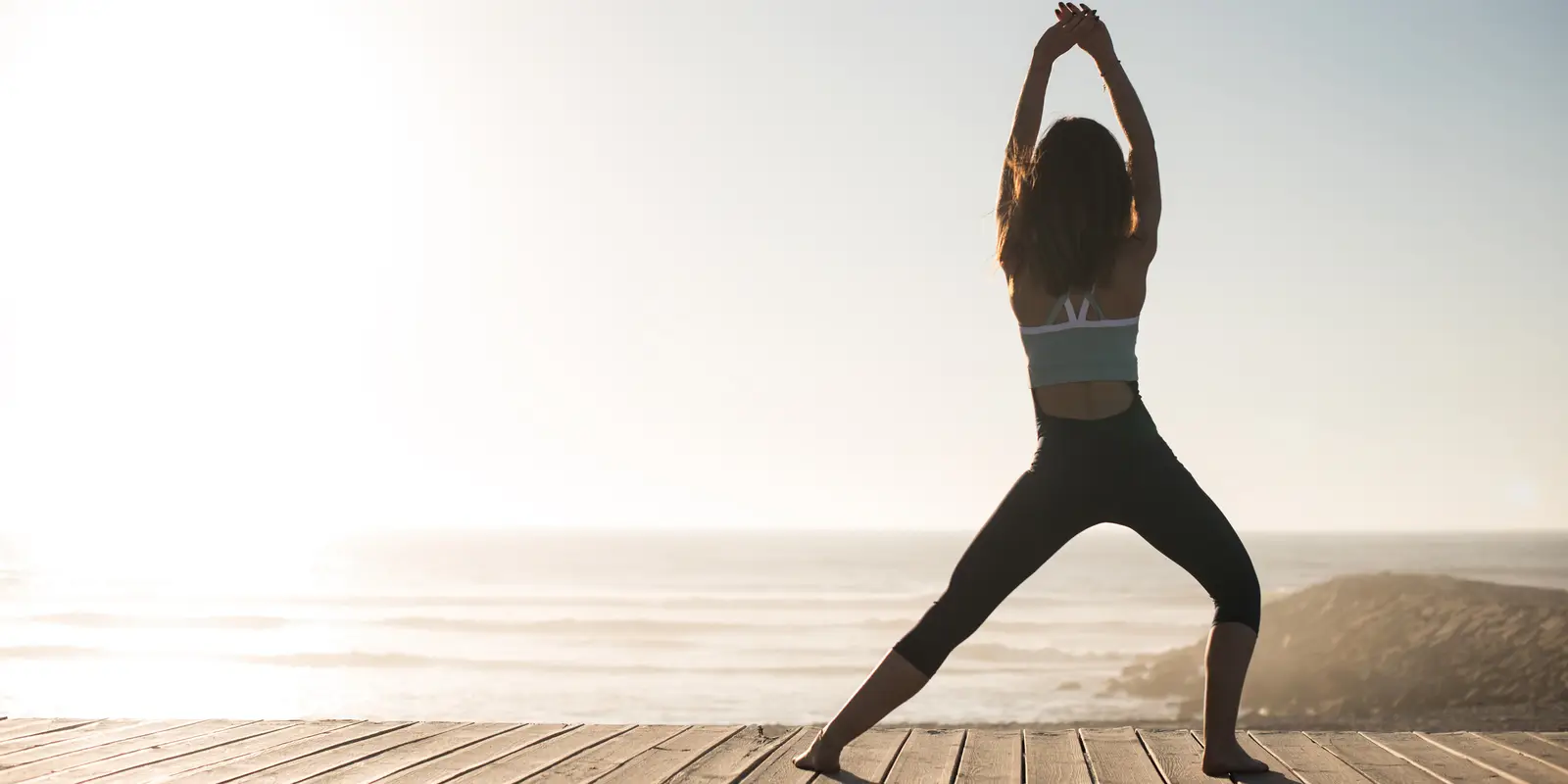
Pilates-style exercises can be done indoors or outside on a stable surface. Taking a routine outdoors is optional; it does not guarantee a mood, flexibility, or vitamin D benefit. Choose a place where you can move safely, and adapt each exercise to your ability. If floor transfers are difficult, use a chair-based alternative or stay indoors.
This guide offers five beginner-friendly movement ideas adapted from the source article. They are not a medical treatment or a personalized exercise plan. If you have back, hip, shoulder, or balance concerns, ask a healthcare professional whether these movements fit your needs.
Choose a safe outdoor spot
Look for flat ground, shade, and enough space to lie down or stand without blocking a path. Use a mat on a clean, dry surface. Avoid wet grass, steep slopes, loose gravel, and areas where you might be stepped on. Keep water nearby and bring a light layer or hat if needed.
Heat and sun exposure matter. The CDC recommends taking breaks in shade and planning outdoor activity during cooler parts of the day when possible.[1] It also recommends sun-protective clothing and sunscreen when outdoors.[2] Check the weather and local heat conditions before starting. If it is very hot, humid, or sunny, move the session indoors or choose another time.
Warm up gently
Begin with a few minutes of easy walking or marching in place. Roll your shoulders gently and move your hips through a comfortable range. The National Institute on Aging recommends warming up before activity and cooling down afterward.[3] There is no need to stretch deeply before the body is moving.
Keep breathing naturally through each exercise. Pilates classes may use specific breathing patterns, but you can pause and breathe normally whenever needed. Stop if you feel sharp pain, dizziness, numbness, or unusual shortness of breath.
1. Modified Hundred
Lie on your back with knees bent and feet on the mat. Rest your head and shoulders on the mat, or place a small folded towel under your head if that feels better. Let your arms rest beside your body. Take several easy breaths and gently move your arms up and down a few inches, without lifting your head.
If the movement feels comfortable, coordinate small arm pulses with relaxed breathing for a short count. You do not have to hold a curled-up position or keep your legs in tabletop. Stop if your neck, back, or abdomen feels strained. A seated option is to sit tall and make small arm pulses while breathing normally.
2. Small single-leg circles
Lie on your back with knees bent. Keep one foot on the mat and raise the other leg only as high as is comfortable. Make a small circle with the lifted foot, keeping the pelvis steady. Do a few circles in one direction, then switch direction and sides.
The circle can be very small. If the hip or back moves uncomfortably, reduce the size or place the raised foot back down. You can also do a seated version by extending one leg slightly and drawing a small circle with the foot.
3. Alternating heel taps
With knees bent and feet on the mat, gently tighten your abdomen without holding your breath. Lift one foot a small distance, tap it back down, then change sides. Keep the movement controlled and avoid arching or pressing hard into the low back.
If your back feels uncomfortable, shorten the lift or skip this exercise. A seated march is an alternative. The original double-leg stretch involves extending both arms and legs away from the body; that version may be too demanding for some beginners, so the heel tap is a simpler way to practice control.
4. Supported prone reach
If lying on your stomach is comfortable, place a folded towel under your forehead and keep arms near your sides. Reach one arm forward a short distance while keeping the rest of your body relaxed, then return and switch sides. You do not need to lift arms and legs together.
If the prone position bothers your back, shoulders, or breathing, skip it. A standing wall reach or a seated arm reach can be an alternative. The goal is a comfortable movement, not the highest lift or longest hold.
5. Bird-dog or seated reach
Start on hands and knees only if you can get to the floor and maintain a stable position. Place hands under shoulders and knees under hips. Extend one arm forward or slide one foot back along the mat, then return. Begin with one limb at a time. Keep the movement small enough that your trunk remains steady.
If you feel balanced and comfortable, you can try extending the opposite arm and leg. Do not twist or arch your back to reach farther. If kneeling is not suitable, sit in a chair and reach one arm forward while keeping your torso upright.
Make a short flow
Try one or two repetitions of each movement, resting between them. Repeat only the exercises that feel comfortable. You can move from lying on your back to seated, then finish standing. There is no required sequence or number of repetitions. If you are new to Pilates, a qualified instructor can help you learn the movements and offer modifications.
Stay comfortable outside
Take breaks in shade and drink according to your needs. CDC advises that heat can cause symptoms such as muscle cramps, dizziness, headache, weakness, or nausea; stop activity and cool down if these occur.[1] If symptoms are severe or do not improve, seek medical care. Outdoor exercise is not worth pushing through heat illness.
Protect your skin with shade, clothing, sunglasses, and broad-spectrum sunscreen. The CDC notes that UV exposure can occur even on cloudy or cool days and recommends sun protection when the UV Index is 3 or higher.[2] If you prefer not to use sunscreen or the environment is uncomfortable, exercise indoors.
Finish with an easy transition
End with a few minutes of comfortable walking or standing movement. Put the mat away safely and check how you feel before driving or returning to other tasks. The NIA recommends a gradual cool-down after activity.[3] A cool-down can be short; you do not need to add a long stretch routine.
Pilates-style movement can be practiced on a patio, in a park, or in a living room. Choose the environment that gives you stable footing, shade or temperature control, and enough room. Modify the exercises, keep breathing, and stop when the movement no longer feels right.
Plan for access and privacy
If you are exercising in a public park, choose a time and place where you feel comfortable and can hear your surroundings. Keep the mat away from paths and give other people room to pass. If you are with a friend, agree on a pace and stop signal before beginning. You can also practice at home if you prefer a quieter space.
Use a mat that is large enough for the movements and will not slide on the ground. Bring a towel if the surface is damp, but avoid setting up on wet or uneven ground. Keep personal belongings nearby and secure. If the weather changes or the sun becomes uncomfortable, end the session or move indoors. You do not need to finish all five movements to count the time you spent practicing.
Sources and further reading
- About Heat and Your HealthCenters for Disease Control and Prevention · Accessed 2026-11-03
- Sun Safety FactsCenters for Disease Control and Prevention · Accessed 2026-11-03
- Tips for Getting and Staying Active as You AgeNational Institute on Aging · Accessed 2026-11-03