Mental Wellbeing • Fitness Well
Meditation for Beginners: Simple Practices and Limits
Try short sensory, breathing, counting, or movement-based practices with realistic expectations and guidance on stopping.
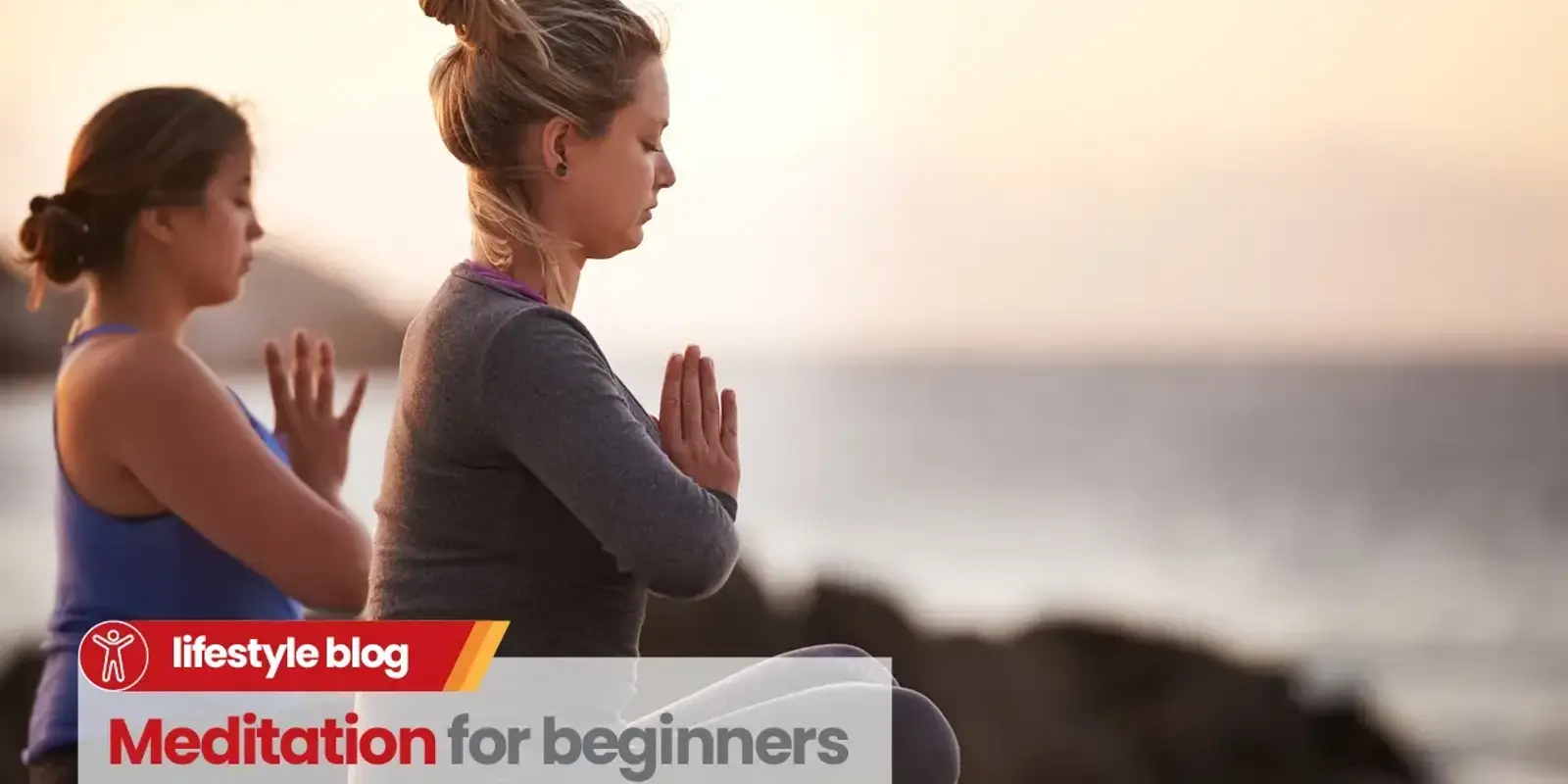
Meditation is a group of practices that direct attention toward an experience such as breathing, sound, a phrase, or the sensations of movement. You do not need to stop thinking or feel calm to try it. A short practice can simply be a pause to notice what is happening in the present moment.
Meditation styles differ, and evidence for specific health effects is mixed. The National Center for Complementary and Integrative Health (NCCIH) notes that research on meditation and mindfulness varies in quality and that safety has not been studied in every situation.[1] Some people may find meditation uncomfortable or distressing. Treat it as an optional practice, not a replacement for treatment.
Set up a short practice
Choose a quiet-enough place where you can sit, lie down, or stand comfortably. Put your phone on silent if that helps, but you do not need a special cushion or app. Decide how long to try—one or two minutes is enough for a first experiment. You can stop at any time.
If closing your eyes feels uncomfortable, keep them open and look at a neutral object. If sitting still is difficult, try a walking practice or focus on sounds around you. The point is not to force a posture; choose a position that feels steady and safe.
1. Notice five things around you
Look around and name five things you can see. Then notice several sounds, such as a fan, traffic, or birds. You can continue with other sensations, such as the contact between your feet and the floor or the texture of a chair. Describe them simply: “soft,” “distant,” or “cool.”
This sensory exercise is one way to direct attention outward. You do not need to decide whether a sensation is pleasant or unpleasant. If a particular sound or sensation brings up discomfort, choose another one or end the practice.
2. Pay attention to a natural breath
Sit or lie in a comfortable position and notice one breath at a time. You might feel air moving at the nose, the chest rising, or the abdomen shifting. Do not try to breathe deeply or hold your breath unless a clinician has specifically instructed you to do so.
When your attention wanders, notice that it wandered and return to the next breath. This is not a failure. Minds move from one thought to another; the exercise is simply to notice and return without criticizing yourself. You can keep your eyes open and focus on the feeling of your feet if breathing attention does not feel comfortable.
3. Try a simple count
Count each exhale from one to five, then start again. If you lose the count, begin at one without judging the interruption. Another option is to notice whether a thought is present and then return to a neutral sensation, such as the feet on the floor.
Do not use the number of breaths or thoughts as a performance measure. There is no ideal count. If counting creates pressure, stop counting and just notice a sound, a visual detail, or a point of contact with the chair.
4. Use a guided practice carefully
A guided recording can provide structure for someone who prefers spoken instructions. Choose a short track and check the content before beginning. Some recordings include breathing cues, body scans, imagery, or movement. Skip instructions that do not suit you.
Apps and videos vary in quality and privacy practices. Review the length, source, and permissions before creating an account or sharing personal information. A free recording or no recording at all may be enough. You do not need a subscription to meditate.
5. Try movement-based awareness
If stillness is uncomfortable, pay attention while walking slowly across a clear space. Notice the feet lifting and touching the floor, the movement of the arms, or the sounds around you. Keep your eyes open, choose a stable path, and move at a pace that feels safe.
You can also use awareness during ordinary tasks, such as washing a dish or making tea. Notice the temperature, sound, and movement without trying to change them. This is another way to practice attention without setting aside a separate meditation period.
Common experiences
Thoughts may continue, attention may wander, or you may feel bored. None of these means you are doing it wrong. You might feel relaxed, neutral, restless, or nothing in particular. Do not expect a particular result after a session.
If a practice makes you feel panicked, detached, overwhelmed, or more distressed, stop. Open your eyes, orient to the room, stand up if safe, or talk with someone you trust. NCCIH notes that meditation is generally considered to have few risks for many people, but research on adverse experiences is limited and negative experiences have been reported.[1]
Make it practical, not compulsory
If you want to continue, choose a time that fits your day and keep the session short enough to repeat. You could practice before work, after a walk, or while waiting for a meeting. Missing a day does not undo anything. You can change the technique or stop using it whenever you want.
Meditation is one optional self-care practice. NIMH lists relaxing activities, sleep, regular meals, movement, and connection as possible ways to support mental health, while noting that self-care differs for each person.[2] It does not replace therapy, medication, or care from a healthcare professional.
When to seek support
If distress is severe, lasts, or interferes with daily activities, talk with a healthcare provider or mental health professional rather than relying on meditation alone. NIMH advises seeking help for severe or distressing symptoms lasting two weeks or more, such as difficulty sleeping, appetite changes, trouble concentrating, loss of interest, or difficulty completing usual tasks.[3] Seek help sooner if you feel unsafe.
If you are thinking about suicide or self-harm in the United States, call or text 988 for immediate support; call 911 in a life-threatening emergency.[3] Outside the United States, contact your local crisis service or emergency number.
A small pause is enough
A beginner practice can be as simple as noticing one sound or one breath. Choose a position and method that feel acceptable, and stop if they do not. There is no perfect meditation routine, and you do not have to use one to care for your mental health.
Troubleshooting a first attempt
If your mind wanders, label the experience quietly—“planning,” “remembering,” or “worrying”—and return to a neutral anchor. If you feel restless, keep the session very short or choose walking awareness instead. If you become sleepy, sit upright or open your eyes. None of these adjustments needs to produce a particular state of mind.
Try the same short practice a few times before deciding whether it suits you, but do not continue if it repeatedly makes you feel worse. People respond differently. If you have a history of trauma or a condition that makes inward attention uncomfortable, consider asking a mental health professional for guidance or choosing an outward-focused activity. Meditation is optional; other forms of self-care may fit better.
Choosing a class or recording
If you attend a class, ask how long it lasts, whether movement is included, and whether you can sit near an exit or keep your eyes open. Tell the instructor about physical limitations or boundaries you want respected. For an app or recording, check who created it and whether you can use it without sharing sensitive information. Stop or switch to another resource if instructions feel coercive or uncomfortable.
Sources and further reading
- Meditation and Mindfulness: Effectiveness and SafetyNational Center for Complementary and Integrative Health · Accessed 2026-11-03
- Caring for Your Mental HealthNational Institute of Mental Health · Accessed 2026-11-03
- My Mental Health: Do I Need Help?National Institute of Mental Health · Accessed 2026-11-03