Fitness • Fitness Well
Challenge Yourself with a Low-Impact Interval Workout
A flexible interval circuit with low-impact options, intensity cues, and recovery guidance for adapting the effort.
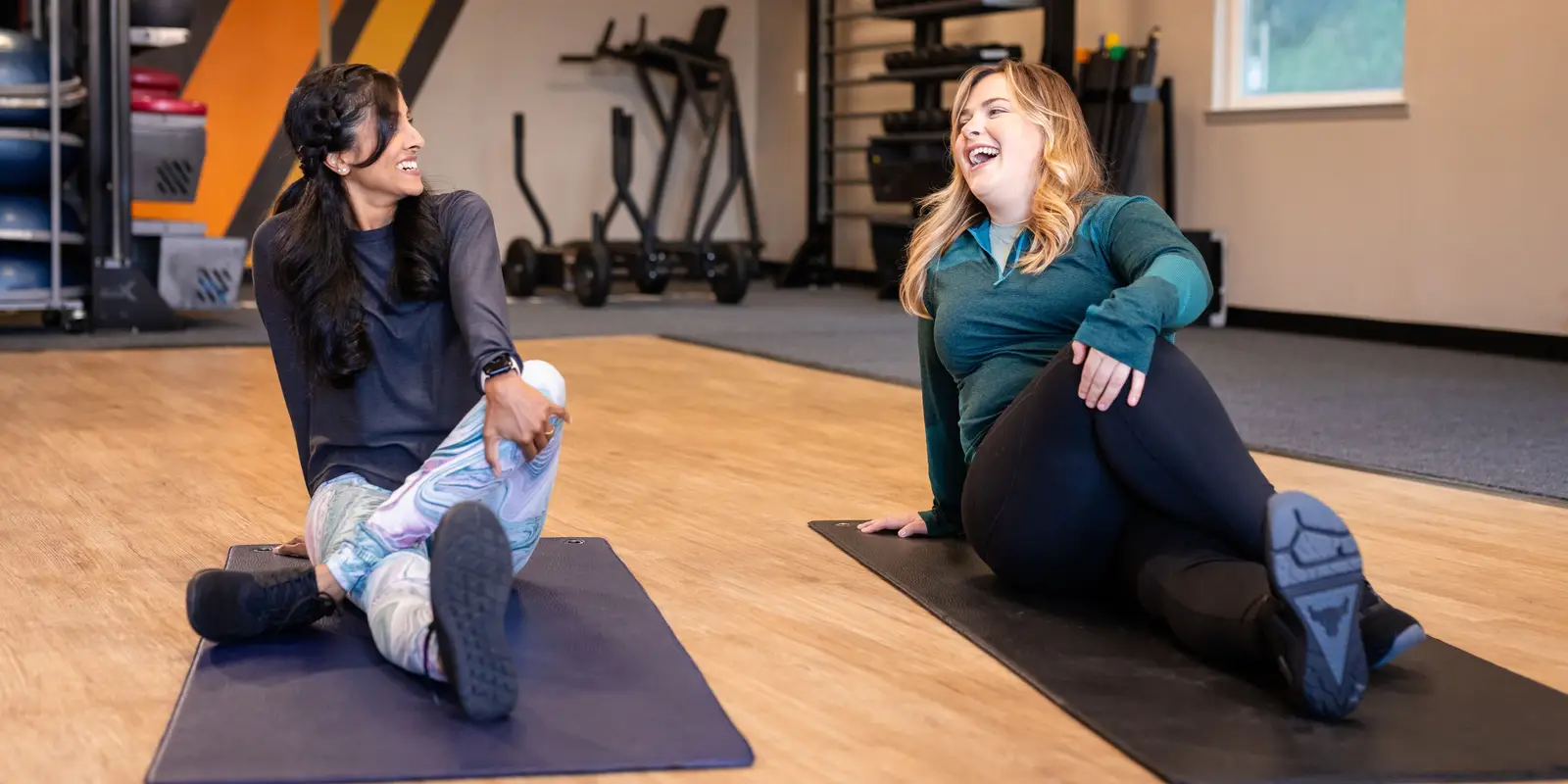
High-intensity interval training (HIIT) alternates short periods of harder effort with recovery. It is one way to structure exercise, not a requirement for fitness. You do not have to reach an all-out pace, do jumps, or finish exhausted. The routine below offers low-impact options and lets you decide whether interval training suits you.
HIIT is not automatically suitable for every person or every day. If you are new to exercise, returning after a break, managing a chronic condition, pregnant, recovering from an injury, or unsure what effort is safe, ask a healthcare professional for guidance. You can also use the routine at a moderate pace; it does not have to be high intensity.
What HIIT means—and what it does not promise
An interval workout alternates activity and recovery. The active periods can be vigorous, but “interval” does not always mean all-out effort. The Centers for Disease Control and Prevention (CDC) describes vigorous activity as effort where you can only say a few words before pausing for breath; moderate effort generally allows talking but not singing.[1]
The source article claims HIIT burns more fat in less time and keeps metabolism elevated after a workout. Those statements are too broad for a general article. A workout’s effects depend on the person, activity, duration, recovery, and many other factors. HIIT may be a time-efficient format for some people, but it does not guarantee weight loss, a faster metabolism, or improved fitness.
Federal guidance allows adults to accumulate aerobic activity at moderate or vigorous intensity, along with muscle-strengthening work.[2] You can meet activity goals without HIIT. Brisk walking, cycling, dancing, or another activity may suit you better.
Before the session
Choose a clear, nonslip space and wear comfortable shoes. Keep water nearby. Use a stable chair or wall for support if needed. Begin with several minutes of easy walking or marching, followed by comfortable movements of the arms and legs. Practice each exercise slowly before adding a timer.
For the first session, use 20 seconds of movement followed by 40 to 60 seconds of rest or very easy movement. Complete two rounds. This is an example, not a required prescription. If you are very new to exercise, do one round or skip the intervals and move steadily at a comfortable pace.
Four-movement interval circuit
### 1. March or step side to side
Walk in place with a comfortable stride or step gently from side to side. Swing your arms only if that feels stable. Keep a chair or wall nearby for balance. If standing is not suitable, try seated marching or another option recommended for you.
### 2. Sit-to-stand or supported squat
Use a stable chair placed against a wall. Sit and stand at a comfortable pace, using your hands for support if needed. If you prefer to remain standing, hold a counter and bend your hips and knees through a small, controlled range. Skip this move if it causes pain or makes you unsteady.
### 3. Wall push-up
Stand an arm’s length from a wall and place your hands at chest height. Bend your elbows to bring your body slightly toward the wall, then press back. Keep the movement controlled. If standing is not suitable, use a seated resistance-band press only if you know how to anchor the band safely.
### 4. Alternating knee lift or seated toe tap
Stand near a stable support and lift one knee at a time within a comfortable range. Keep your torso steady. For a seated option, tap one foot forward and return it under the chair. Move at a pace that lets you breathe and maintain control.
After each station, rest until you feel ready to move again. If the talk test shows the effort is vigorous and that feels too hard, slow down or extend recovery. You can also change the movement rather than forcing the same version.
Adjust the effort
You do not need to sprint. At moderate intensity, you can generally talk but not sing; at vigorous intensity, you may only manage a few words before taking a breath.[1] The same movement may feel different on different days. Heat, sleep, stress, illness, and terrain can all affect how demanding exercise feels.
If you complete two rounds with good control and recover comfortably, you might gradually add a third round another day. Change one thing at a time: number of rounds, movement duration, or pace. Do not increase all three at once. There is no need to progress if the current routine already fits your goals.
Recovery and cool down
Finish with a few minutes of easy movement, such as slow marching or walking. Let your breathing return toward normal. Stretching is optional; avoid forcing a range or holding a painful position. Drink according to your needs and any medical instructions you follow.
Some muscle tiredness can happen after activity, but severe pain is not a sign that the workout worked. MedlinePlus advises warming up, increasing activity gradually, and responding to pain rather than pushing through it.[3] Rest or choose an easier activity if you feel unusually tired or sore.
Stop signs and individual guidance
Stop exercising if you feel chest pain or pressure, faintness, sudden weakness, sharp pain, or severe shortness of breath. Seek medical advice for symptoms that concern you or do not settle. If a health condition, medication, disability, or recent injury affects exercise, a clinician can help you choose suitable movements and intensity.
A class, wearable, or online timer cannot know what is safe for your personal situation. Modify or skip any movement that does not feel stable. A chair, wall, or seated option may make the session more accessible, while another person may prefer a walk or bike ride instead.
Choose the format that works
If you enjoy short intervals, use a comfortable version and allow enough recovery. If you dislike them, choose steady movement. HIIT is one training format among many, not a shortcut or a test of effort. The useful challenge is one that matches your current ability, can be repeated safely, and leaves room for rest and other forms of activity.
Plan enough recovery between intervals
A timer is only a guide. You can use a wall clock, count a few comfortable repetitions, or move until you notice your breathing has increased, then rest. If 20 seconds feels too long, work for less time. If you need more than a minute to recover, take it. The next interval should begin only when you can move with control and understand how you feel.
Do not schedule a demanding interval session every day just because it is short. A week can include easy walks, strength training, and rest. The federal adult guideline includes both aerobic and muscle-strengthening activity, but it does not require HIIT.[2] If your muscles are tired or a joint feels irritated, choose a lighter day or skip the circuit.
Keep the session simple when you are learning. Use the same four movements for several attempts instead of adding complicated exercises. Once you can set up safely and maintain control, you can decide whether a small change would make the routine more enjoyable. There is no need to add jumps, speed, or equipment to make the session worthwhile. Keep the floor clear between stations, especially if you are changing direction or using a chair for support.
Sources and further reading
- How to Measure Physical Activity IntensityCenters for Disease Control and Prevention · Accessed 2026-11-03
- Adult Activity: An OverviewCenters for Disease Control and Prevention · Accessed 2026-11-03
- How to avoid exercise injuriesMedlinePlus, U.S. National Library of Medicine · Accessed 2026-11-03