Fitness • Fitness Well
HIIT Training: Intervals, Intensity, and a Rowing Example
Learn how HIIT intervals work, try a moderate rowing example, and adjust effort and recovery to your needs.
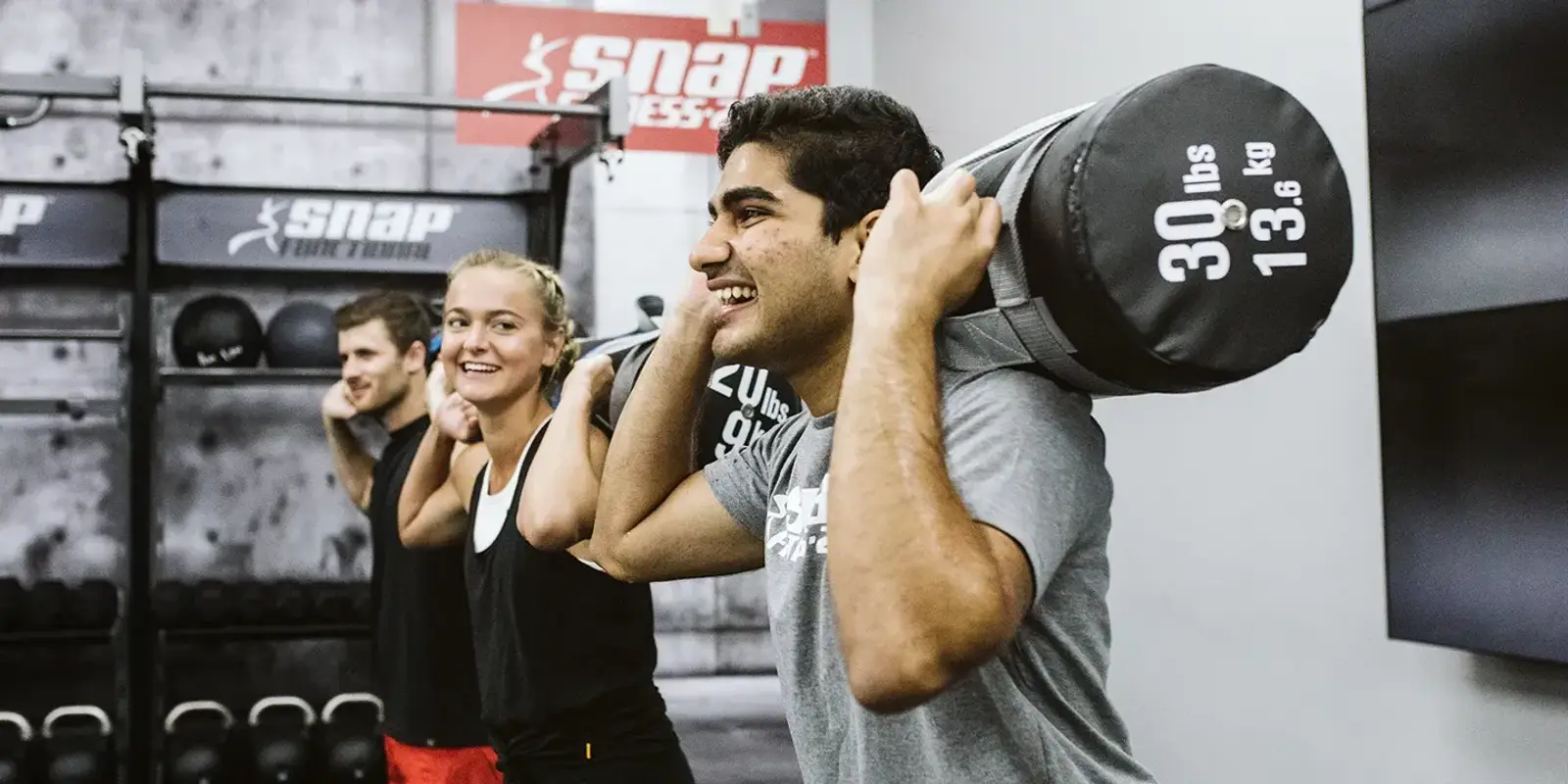
High-intensity interval training (HIIT) alternates brief periods of harder effort with recovery. It can be done on a rowing machine, treadmill, bicycle, or with bodyweight movements. The format is simple, but “high intensity” can feel very different from one person to another. It is not a requirement for fitness and is not suitable for every body or every day.
This article explains how intervals work and offers a cautious rowing example. The sample is not a personalized prescription. If you have a chronic condition, recent injury, balance issue, or symptoms during exercise, ask a healthcare professional what activity is appropriate. You can also choose steady moderate movement instead.
What counts as a high-intensity interval
Intensity is relative. The Centers for Disease Control and Prevention (CDC) says that during moderate aerobic activity, a person can generally talk but not sing. During vigorous activity, they may only manage a few words before pausing for breath.[1] The same speed or resistance may feel vigorous to one person and moderate to another.
HIIT commonly pairs a vigorous effort with rest or easier movement. The recovery interval matters: it gives you time to regain control and prepare for the next round. If you are still breathing hard or feel unsteady when the next effort begins, extend the rest or end the session.
HIIT is not automatically more effective than other activity. It does not guarantee weight loss, a “fat-burning” state, or a fixed calorie after-burn. Federal guidelines allow adults to accumulate aerobic activity at moderate or vigorous intensity, alongside muscle-strengthening activity.[2] Many people can meet movement goals without doing HIIT.
Before you try an interval session
Choose equipment you know how to use. If using a rowing machine, adjust the foot straps and learn the basic sequence at an easy pace. Check that the machine is stable and the area around it is clear. Wear shoes that allow you to keep your feet in the straps without slipping.
Begin with several minutes of easy rowing or another light activity. Practice the movement before increasing effort. MedlinePlus recommends warming up, building activity gradually, and responding to pain or symptoms rather than pushing through them.[3]
If you are new to exercise, returning after a break, or unsure about the equipment, start with moderate intervals or a steady walk. High intensity is not necessary to get started. A trainer can demonstrate machine setup, while a clinician can answer questions about health conditions or exercise restrictions.
A rowing-machine interval example
The source routine uses 30-second work intervals with different rest periods. For a first session, make the work interval moderate rather than all-out:
- Row easily for about five minutes to warm up.
- Row at a comfortable, slightly brisk pace for 30 seconds.
- Row slowly or rest for 60 seconds.
- Repeat four times, then cool down with several minutes of easy rowing.
If this feels easy and you recover fully, you can consider a future session with a somewhat harder effort. Change only one part at a time: pace, number of rounds, or recovery length. Do not make every interval maximal. If you cannot speak a few words or keep a controlled stroke, reduce the pace.
A lower-impact alternative is to walk briskly for 30 seconds, then walk slowly for a minute. You can also use a stationary bike. If you prefer no timer, alternate an easy segment with a slightly faster segment based on how you feel. All of these are interval formats; they do not need to become vigorous to be useful.
Rowing form basics
Sit with feet secured and knees bent. Hold the handle with a relaxed grip. Push through the legs first, then lean back slightly, then draw the handle toward the lower ribs. Return in reverse order: extend the arms, hinge forward from the hips, then bend the knees. Keep the movement smooth and avoid rounding or jerking the lower back.
Use an easy resistance setting while learning. A higher damper setting is not automatically a better workout. If your back, knees, or hips feel uncomfortable, stop and ask for instruction or choose another activity. Do not keep rowing through sharp pain, numbness, or dizziness.
Adjusting intervals to your ability
Use the talk test as a rough intensity cue, not a medical test.[1] You might be able to speak comfortably during an easy interval, talk but not sing during moderate effort, and speak only a few words during vigorous effort. Slow down whenever the session becomes too demanding.
You can shorten the work period, lengthen recovery, or reduce resistance. A beginner might do two intervals instead of four. Someone recovering from illness may choose steady easy movement instead. A person with a health condition, disability, or pregnancy-related question may need individualized advice before vigorous exercise.
The aim is a session you can repeat with control. More rounds are not automatically better. Keep track of how you feel during the session and later that day. If the plan causes ongoing pain, unusual fatigue, or symptoms that interfere with daily activities, reduce the workload and seek guidance.
Safety and recovery
Stop immediately if you feel chest pain or pressure, faintness, sudden weakness, severe shortness of breath, or sharp pain. Seek medical advice for symptoms that concern you or do not settle. Do not sprint on equipment if you are unfamiliar with it, and do not set the machine to a pace you cannot safely control.
After the last interval, row or walk easily for several minutes. Stretching is optional; do not force a range that hurts. Drink according to your needs and any medical instructions you follow. Plan rest or easier movement before your next hard session.
Use HIIT only if it suits you
HIIT can add variety to an exercise routine, but it is only one way to move. Walking, cycling, swimming, dancing, or strength training can also be part of a weekly plan. The CDC guideline for adults includes at least 150 minutes of moderate aerobic activity, or an equivalent combination with vigorous activity, plus muscle-strengthening activity on at least two days.[2]
Choose intervals because you like the structure or want to practice changing pace—not because an ad promises faster results. Start below your maximum, allow enough recovery, and switch to a steady activity whenever that feels more appropriate.
Keep a simple session log
After a session, note the machine setting, number of intervals, recovery time, and how the effort felt. You can also record whether you had time to warm up and cool down. Use the notes to decide whether to repeat the same plan, make it easier, or choose another activity. A log is optional; it should not become a score that pressures you to keep increasing intensity.
If you want to progress, first repeat the same comfortable session on another day. When it feels controlled, add one interval or slightly shorten recovery—not both at once. Keep the work effort below maximum and use a pace that allows a smooth rowing stroke. If you cannot hold the form you practiced at an easy pace, reduce the effort or rest.
You can also keep the same intervals and change the machine or activity. A brisk walk, bike, or low-impact step pattern may be easier to access than a rower. The format matters less than choosing a movement you can perform safely and recover from.
Sources and further reading
- How to Measure Physical Activity IntensityCenters for Disease Control and Prevention · Accessed 2026-11-03
- Adult Activity: An OverviewCenters for Disease Control and Prevention · Accessed 2026-11-03
- How to avoid exercise injuriesMedlinePlus, U.S. National Library of Medicine · Accessed 2026-11-03