Fitness • Fitness Well
Group Fitness Classes: How to Find the Right Fit
Compare class formats, confirm access and policies, communicate with instructors, and use intensity cues to choose a suitable class.
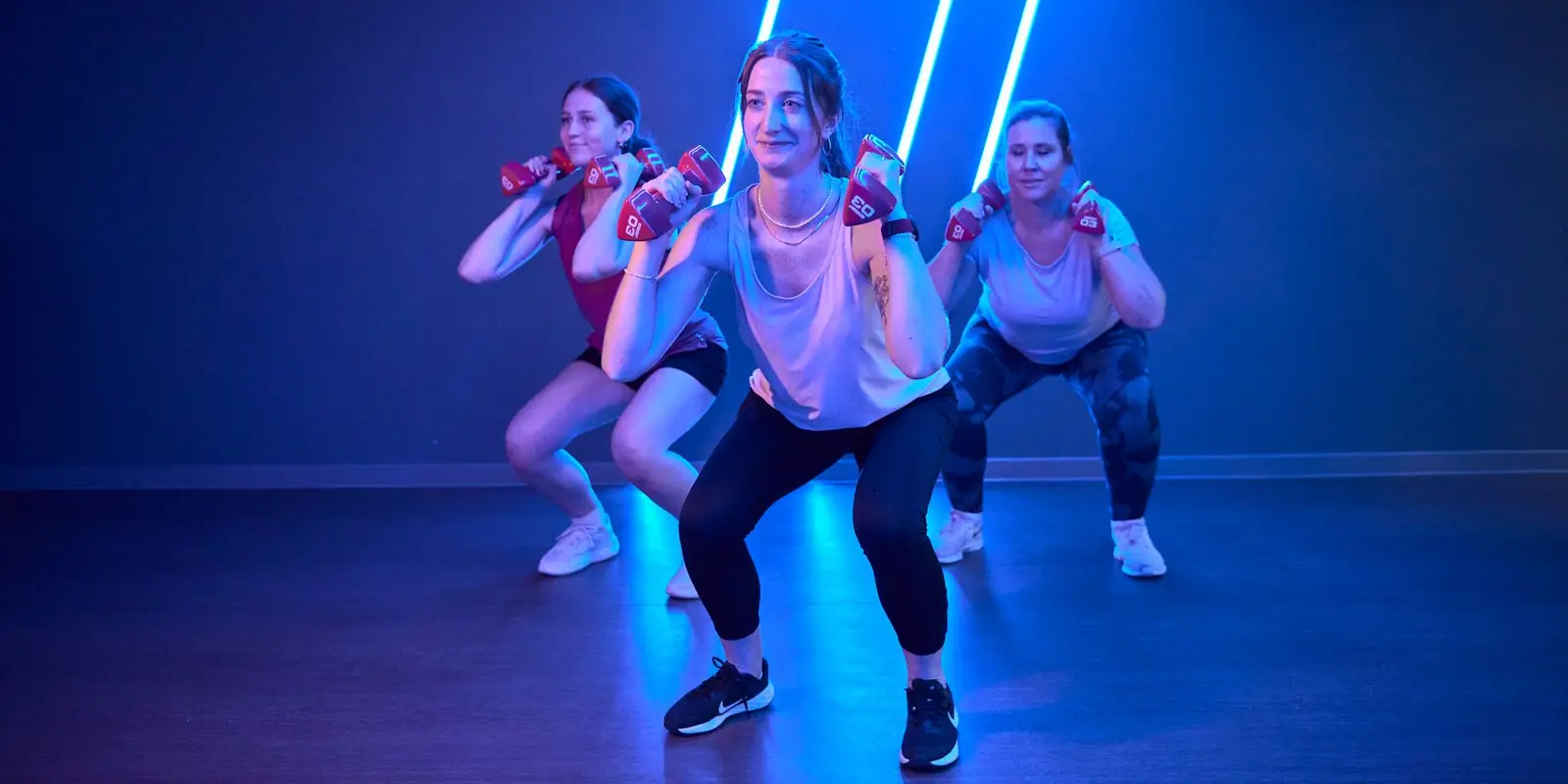
A group fitness class can provide a scheduled activity, an instructor-led routine, and a room full of people moving at the same time. Classes vary widely in pace, equipment, music, coaching style, and intensity. The right class is not necessarily the most popular one; it is a class you can access, understand, and adapt to your needs.
This guide explains common formats and what to check before attending. It does not describe current offerings or prices at any particular gym. Schedules, access, and included classes differ by facility, so confirm details directly with the location.
Common class formats
Cardio classes may use dance, cycling, step routines, or intervals. The instructor often leads continuous movement, but the effort can vary with pace and modifications. The CDC lists water aerobics and some dance or exercise classes among examples of moderate activity, while vigorous step aerobics and kickboxing can be vigorous.[1] The class name alone does not determine intensity.
Strength classes may use bodyweight, dumbbells, resistance bands, or machines. Some focus on a few lifts; others combine strength movements with faster circuits. Ask what equipment is used and whether there are beginner or lower-impact options. You do not need to lift the same weight as other participants.
Yoga and Pilates classes often emphasize controlled movement, balance, flexibility, or body awareness. Formats differ, and some classes can be physically demanding. Ask whether the instructor offers chair-based, floor-free, or gentler variations if you need them. You can rest or leave a position at any time.
Boxing-inspired, HIIT, and circuit classes can include rapid transitions, jumps, or vigorous intervals. These may not suit everyone. You can ask whether the class is appropriate for first-time participants, whether movements can be modified, and how long the intervals last.
Check the class before booking
Read the description and note the duration, equipment, format, and intensity. If the description is vague, contact the instructor or facility. Ask whether you can observe a class, attend a trial session, or book a single visit before purchasing a package.
Check accessibility and logistics. Is there step-free access? Are mats, chairs, or loaner equipment available? Is the music volume comfortable? Can you leave for water or a break? If you need a place near the door, an aisle, or a chair, ask whether that is possible.
Also confirm the price, booking rules, cancellation policy, and whether the class is included in a membership. Policies can differ between locations and change over time. Do not assume that a class shown in an app is available at every facility.
Tell the instructor what you need
Arrive early enough to introduce yourself and mention any movement limits, injuries, or equipment questions. You do not need to share private medical details with the whole class. Ask the instructor how to signal that you need a modification or rest. A good instructor should explain the options clearly and let you choose without pressure.
If you use a mobility aid or need an accessible setup, contact the facility in advance. Ask whether the room layout leaves enough space and whether the instructor can show alternatives. If the class does not fit your needs, choose another format rather than trying to keep up at any cost.
Use intensity cues
Effort is personal. The CDC talk test can help estimate aerobic intensity: at moderate effort, you can usually talk but not sing; at vigorous effort, you may only say a few words before pausing for breath.[1] You can reduce pace, use smaller movements, or rest. The instructor’s pace is not a target you must match.
Watch how your body responds. If you feel sharp pain, chest pressure, faintness, sudden weakness, or severe shortness of breath, stop and seek appropriate medical advice. MedlinePlus recommends warming up, increasing activity gradually, and responding to pain rather than pushing through it.[2] If you have a health condition or are returning after injury, ask a clinician which class formats are suitable.
A first-class plan
For your first visit, choose a class marked beginner or low impact if that matches your needs. Arrive early, wear comfortable clothes and stable shoes, and bring water. Stand or sit where you can see the instructor and leave enough space to move. Ask for a demonstration of unfamiliar equipment before the class begins.
Set a simple goal: learn the layout, try a few movements, or decide whether the teaching style suits you. You do not need to complete every repetition. If the class becomes too demanding, slow down, rest, or leave. A first session is an opportunity to evaluate the fit, not a test of fitness.
How to compare classes
After class, consider a few questions: Could you understand the instructions? Were modifications available? Did the pace feel manageable? Was the room accessible and welcoming? Did the instructor respond respectfully to questions? Would the time and location fit your schedule?
A class can be enjoyable even when it is challenging, and a moderate class can be useful even if it does not leave you exhausted. If you like the instructor but not the format, try a different class. If the group setting feels distracting, an on-demand video or solo routine may fit better.
Group or solo exercise?
Group classes are one way to be active. They are not required for general fitness. A walk, home workout, gym session, or community activity can also fit. Some people like the set schedule; others prefer to choose their own pace. You can combine formats across the week or change your routine as your needs change.
A class may help you discover new movements, but it cannot replace individual clinical guidance. If a movement causes persistent pain or you need a rehabilitation plan, speak with a healthcare professional or physical therapist.
Find a class you can return to
Choose a class based on access, coaching, pace, cost, and enjoyment—not pressure to burn calories or match someone else. Confirm current details with the facility, ask for modifications, and give yourself permission to rest. The best class is one that fits your life and lets you participate in a way that feels appropriate for you.
Match the class to what you want to practice
If you want steady movement, look for a class that describes continuous aerobic activity and ask how intensity is adjusted. If you want to practice resistance exercise, check whether the instructor demonstrates equipment setup and how to select a manageable load. If you want to work on flexibility or balance, ask whether the class includes floor work or single-leg positions and what support is available. These descriptions can help narrow choices, but the class outline and instructor are more informative than the title alone.
You can also ask how many participants attend and whether the instructor can see everyone. In a large class, it may be harder to get individual feedback, so arrive early and choose a spot where instructions are visible. If the instructor offers hands-on adjustments, you can decline them. Ask for verbal cues or a demonstration instead.
Give yourself time to decide
One class may not tell you whether a format suits you. Try a second session at a different time or with another instructor if the first experience was mostly about learning the room. Keep notes on what felt comfortable, what was confusing, and what you would ask next time. If booking is required, check the cancellation window so you do not pay for a missed session unexpectedly.
Do not feel obligated to buy a package after a trial. Compare the schedule with your actual week, not an ideal week. If travel, class times, or equipment make attendance difficult, a different format may be more practical.
Sources and further reading
- How to Measure Physical Activity IntensityCenters for Disease Control and Prevention · Accessed 2026-11-03
- How to avoid exercise injuriesMedlinePlus, U.S. National Library of Medicine · Accessed 2026-11-03