Fitness • Fitness Well
A Full-Body Strength Workout with Easier Variations
Six gym strength movements with lower-demand options, setup guidance, and a flexible way to organize the session.
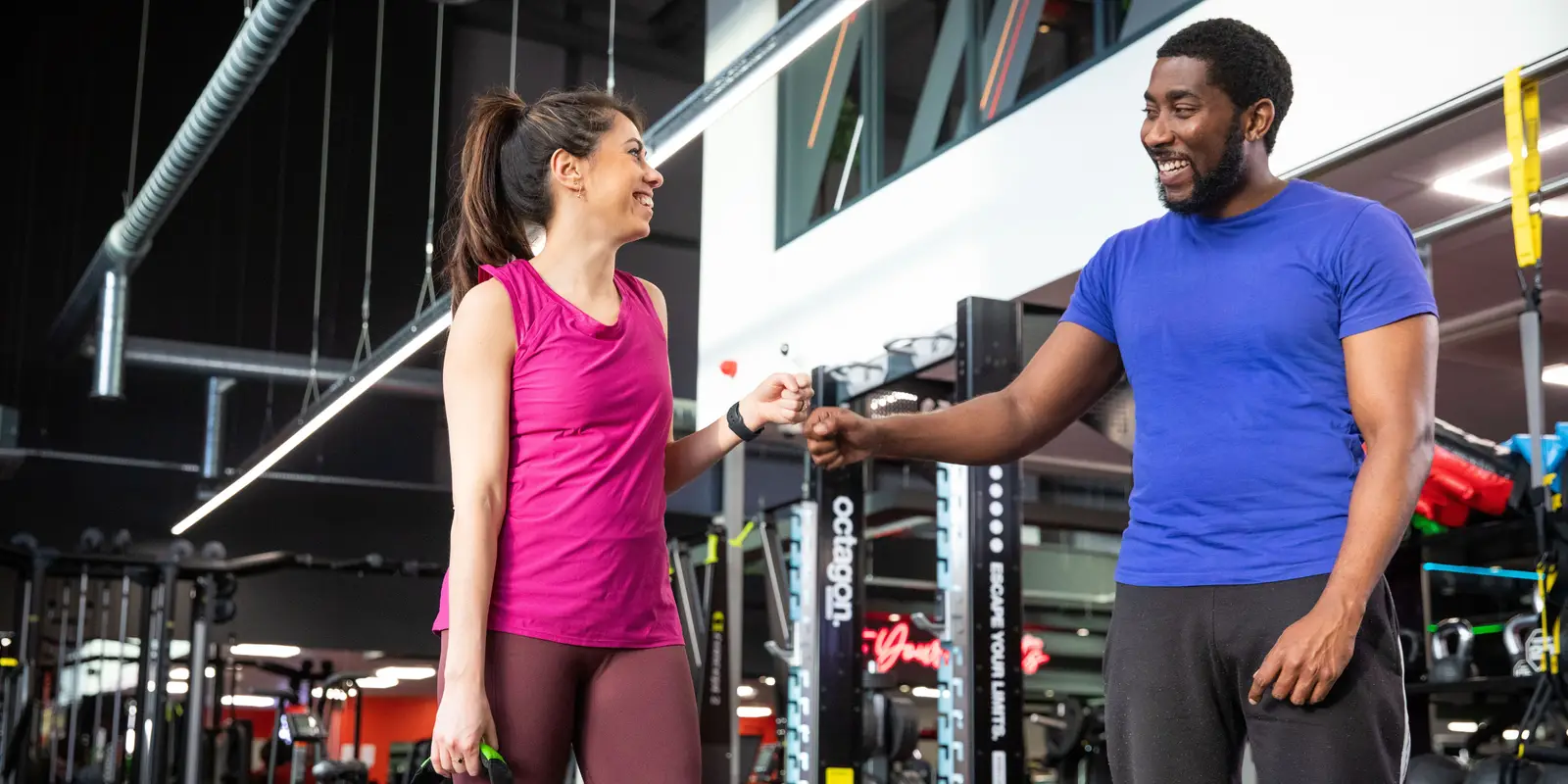
A full-body strength session can include movements for the legs, hips, back, chest, shoulders, and arms. The routine below adapts six gym exercises from the source article and offers easier options. It uses machines and weights, so it is not a universal beginner plan. Use equipment only if you know how to set it up, and ask a qualified trainer for help when needed.
Federal guidance recommends muscle-strengthening activity for major muscle groups on at least two days a week for adults.[1] That guideline does not require one specific workout, number of repetitions, or gym. Start at a level you can control and follow medical advice if you have an injury, chronic condition, balance concern, or other limitation.
Set up before lifting
Wear stable shoes, clear the floor around you, and check that the bench, step, and machine are secure. Choose a load you can lift and lower without swinging or holding your breath. If you are unfamiliar with a machine, ask staff to show you how to adjust it. Do a few minutes of easy movement and practice each pattern without weight first.
For the first session, choose three or four movements rather than trying all six. Use a light load and stop before your technique changes. Rest between sets and exercises. The original routine lists several supersets and high repetition counts; you do not need to copy that volume to try the movements.
1. Leg press
Sit with your back against the pad and place your feet about hip- to shoulder-width on the platform. Adjust the seat so your knees bend comfortably. Press the platform away without locking your knees, then lower slowly only as far as you can keep your hips and back supported.
Start with no weight or a light setting while you learn the machine. Do not let your knees collapse inward or push through pain. If the machine is uncomfortable or you are unsure how to adjust it, skip it and ask a trainer for another leg exercise.
2. Low step-up
Choose a low, stable step with a handrail or support nearby. Place one foot fully on the step, press through that foot to rise, then step down slowly. Alternate sides after several controlled repetitions. Begin without dumbbells; adding weights can make balance and control more difficult.
If stepping up is not comfortable, use a sit-to-stand from a stable chair or perform a supported weight shift. Do not use a high bench or box just to make the exercise harder. Keep the platform from sliding and leave enough room around it.
3. Squat-to-press, separated into two moves
The source combines a squat with an overhead kettlebell press. That is a complex movement. Learn the parts separately: first practice a bodyweight squat or chair sit-to-stand; then, if comfortable, practice a light seated or standing press. Combine them only if you can maintain control in both pieces.
For the squat, keep a stable stance and use a range that feels comfortable. For the press, start with a very light weight at shoulder height and raise it only through a range that does not cause pain or make you arch your back. You can omit the overhead press or use a wall push-up instead.
4. One-arm shoulder press
Sit with back support or stand with feet steady. Hold a light dumbbell near shoulder height and press upward only as far as comfortable. Lower slowly. Keep the ribs and torso steady rather than leaning backward to move the weight.
Use a lighter load or skip this movement if overhead motion is uncomfortable. A clinician or physical therapist can suggest alternatives when shoulder pain or limited range affects exercise. Do not force the arm to a position that feels pinched.
5. Supported row
The source describes an upright row and reverse fly. To reduce the amount of equipment and balance demands in a first session, try a supported row: place one hand on a stable bench, hinge slightly at the hips, and draw a light dumbbell toward your side. Lower with control, then switch arms.
If you choose to practice the upright row, use a very light load and stop before the elbows rise above a comfortable level. If the movement bothers your shoulders, do not repeat it. A resistance-band row with a secure anchor is another option.
6. Reverse fly variation
A reverse fly targets the back of the shoulders and upper back. To make balance easier, sit with your chest supported on an incline bench or hinge with one hand braced. Hold light weights with arms relaxed, then open them outward only through a comfortable range. Lower slowly and avoid shrugging.
You can also skip this movement if your back or shoulders do not tolerate the position. A supported row already gives you a pulling exercise. More exercises are not automatically better.
A simple way to organize the session
Choose three or four movements and practice one controlled set of each with a light load. Rest as long as you need to breathe normally and reset your position. If the session feels comfortable and you recover well, repeat it on another day before adding more exercises. A trainer can help choose load and repetitions based on your experience and goals.
If you want to pair exercises, alternate a lower-body move with an upper-body move—for example, a leg press followed by a supported row. This can reduce setup time, but you should still rest when needed. Supersets are optional. Do not rush from one machine to another when the equipment is crowded or when you need time to recover.
Adjust the plan to your goals
For general strength, consistency and controlled practice matter more than trying to lift the heaviest possible weight. If you are training for a sport or specific goal, a qualified coach can tailor exercise selection and progression. If your goal is to improve general activity, combine strength days with aerobic movement such as walking or cycling. The federal guideline includes both aerobic and muscle-strengthening activity across the week.[1]
A home version can use a chair sit-to-stand, wall push-up, and resistance band row. You do not need every machine in the gym. Choose accessible movements that fit your balance, equipment, space, and health instructions.
Stop and reassess
Stop if you feel sharp pain, sudden weakness, numbness, dizziness, chest pressure, or severe shortness of breath. MedlinePlus recommends warming up, progressing gradually, and responding to pain rather than pushing through it.[2] If a symptom is severe or does not settle, seek medical advice. If exercise leaves you unusually sore or affects daily movement, reduce the load or ask a professional for guidance.
Build the routine over time
Write down which movements felt controlled and which need adjustment. Change one part at a time, such as the load, range, or number of exercises. Leave rest between demanding sessions. If a movement repeatedly causes discomfort, replace it rather than forcing your body to adapt.
This routine is a menu, not a test. Choose the versions you can perform with control, use support when needed, and get individualized instruction when the equipment or movement is unfamiliar. A full-body workout should fit your current ability and goals, not the most advanced version shown online.
Sources and further reading
- Adult Activity: An OverviewCenters for Disease Control and Prevention · Accessed 2026-11-03
- How to avoid exercise injuriesMedlinePlus, U.S. National Library of Medicine · Accessed 2026-11-03