Recipes • Fitness Well
Looking for a Healthy Midday Meal? Four Practical Lunch Ideas
Four adaptable lunch recipes with realistic portions, cooking steps, and meal-prep safety guidance.
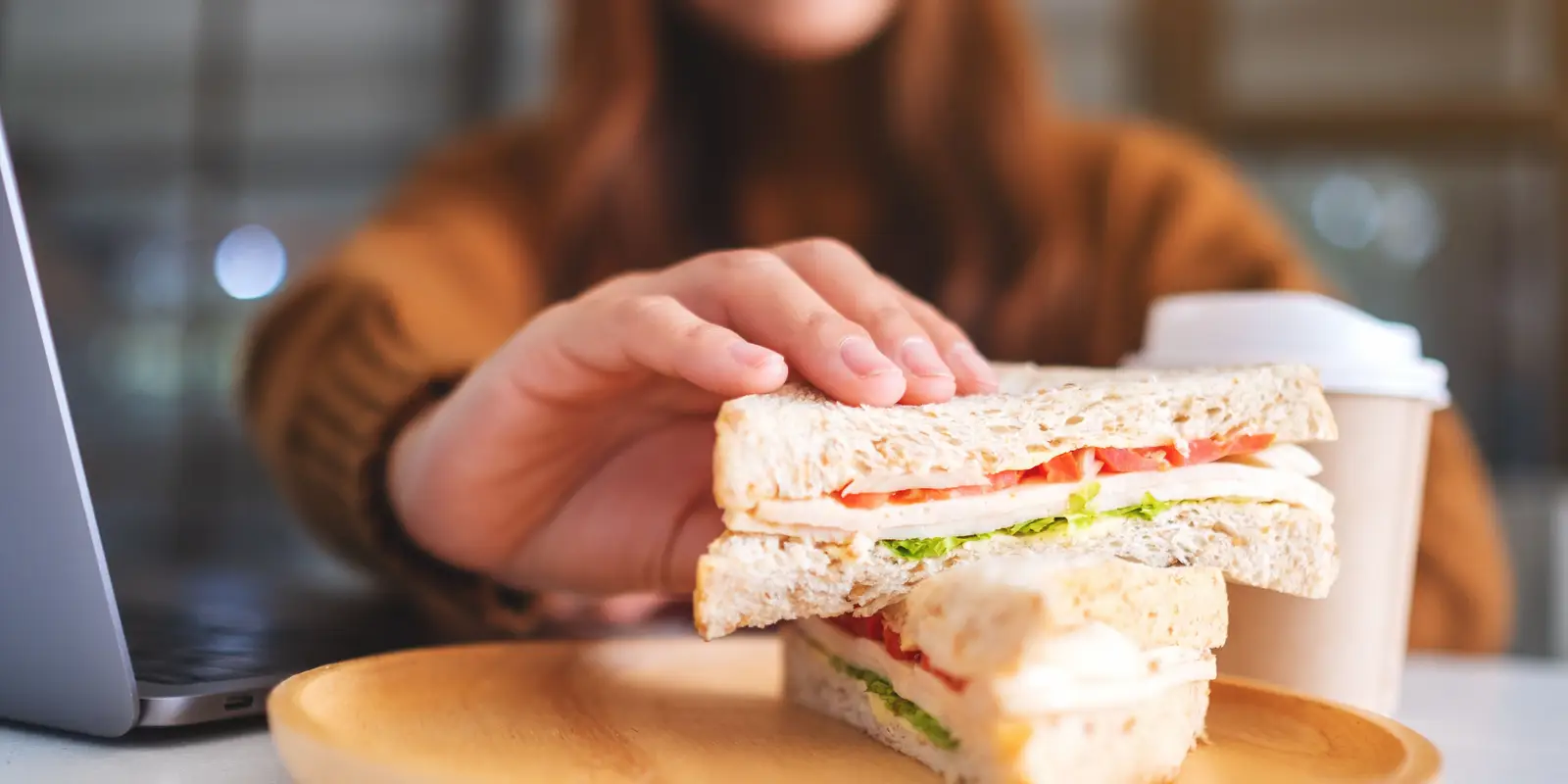
A midday meal does not need to be elaborate to fit into a busy day. A little planning can make it easier to bring lunch from home, use leftovers, or choose something satisfying when eating out. The four ideas below adapt the source recipes with practical quantities and clear food-safety steps.
There is no single lunch that guarantees more energy, prevents cravings, or improves concentration. People have different schedules, appetites, health needs, budgets, and preferences. USDA MyPlate suggests planning meals around foods already on hand and considering variety across fruits, vegetables, grains, protein foods, and dairy or fortified soy alternatives.[1] Use that as a flexible prompt, not a strict formula.
1. Tofu and lentil nourish bowls
Makes 2 servings. Prep time: about 10 minutes; cook time: about 10 minutes.
**Ingredients**
- 14 ounces (about 400 g) firm tofu, drained and cubed
- 1 cup broccoli florets
- 1 cup canned brown lentils, drained and rinsed
- 2 cups baby spinach
- 1 small carrot, grated
- 1 tablespoon olive oil
- 1 tablespoon tahini
- 1 tablespoon lemon juice, plus water to thin
- Black pepper, to taste
**Directions**
1. Heat the oil in a skillet over medium heat. Add tofu and broccoli. Cook, stirring, until the tofu is lightly browned and the broccoli is tender-crisp, about 6 to 8 minutes.
2. Divide lentils and spinach between two bowls. Add the warm tofu and broccoli, then top with grated carrot.
3. Stir tahini and lemon juice together. Add water a teaspoon at a time until the dressing pours easily. Drizzle over the bowls and season with pepper.
If you prefer softer broccoli, cover the pan for a few minutes with a splash of water. Keep the dressing separate if packing the bowl ahead so the spinach stays fresher.
2. Mushroom and turkey pasta
Makes 4 servings. Prep time: about 10 minutes; cook time: about 25 minutes.
**Ingredients**
- 8 ounces (225 g) dry whole-wheat pasta
- 1 pound (450 g) ground turkey
- 8 ounces (225 g) sliced mushrooms
- 1 cup green peas, thawed if frozen
- 1 cup chopped kale
- 1 jar (about 15 to 24 ounces) mushroom pasta sauce
- 1 tablespoon olive oil
- ¼ cup grated Parmesan, optional
**Directions**
1. Cook pasta according to the package directions. Drain and reserve a little pasta water.
2. Heat oil in a large skillet. Add turkey and break it into small pieces. Cook, stirring, until no pink remains and a food thermometer reads 165°F (74°C) in the thickest pieces.[2]
3. Add mushrooms and cook until softened. Stir in peas, kale, and sauce. Simmer gently until the kale is tender and the sauce is hot.
4. Add pasta and toss. If the sauce is thick, add a spoonful of reserved pasta water. Divide into four containers or bowls and add Parmesan if desired.
For meal prep, cool portions promptly and store sauce and pasta together. Reheat leftovers until steaming hot throughout. If using a different turkey product, follow safe cooking directions for that product.
3. Lemon chicken, quinoa, and feta salad
Makes 4 servings. Prep time: about 15 minutes; cook time: about 20 minutes.
**Ingredients**
- 1 cup dry quinoa, rinsed
- 1 pound (450 g) boneless chicken breast
- 1 cup cherry tomatoes, halved
- 1 small cucumber, diced
- 1 bell pepper, diced
- 2 cups leafy greens
- 4 ounces (115 g) feta, crumbled
- Juice of 1 lemon
- 1 tablespoon olive oil
- 2 tablespoons chopped parsley
- Black pepper, to taste
**Directions**
1. Cook quinoa according to package directions and let it cool slightly.
2. Heat a lightly oiled skillet over medium heat. Cook the chicken, turning as needed, until a thermometer in the thickest part reads 165°F (74°C).[2] Rest it briefly, then slice or shred. Add lemon juice and pepper.
3. Combine quinoa, tomatoes, cucumber, bell pepper, greens, and parsley in a large bowl. Add chicken and toss. Top with feta and olive oil.
Keep the greens and dressing separate if preparing several days ahead. Add them shortly before eating to avoid a soggy salad.
4. Simple burgers with vegetables
Makes 2 servings. Prep time: about 10 minutes; cook time: about 12 minutes.
**Ingredients**
- ½ pound (225 g) ground beef, shaped into two patties
- 2 burger buns
- ½ avocado, sliced
- 1 tomato, sliced
- 4 lettuce leaves
- 2 slices cheddar, optional
- 1 teaspoon olive oil for the pan
- Condiments of choice
**Directions**
1. Heat a skillet or grill pan over medium heat and lightly oil it. Cook the patties, turning once. Use a thermometer to check that ground beef reaches 160°F (71°C).[2]
2. Toast the buns if desired. Add lettuce, tomato, patties, avocado, cheese, and condiments.
If you prefer not to use beef, use a plant-based patty and follow its package directions. Keep raw meat separate from vegetables and ready-to-eat foods. Wash hands, boards, and utensils after handling raw meat.
Make lunch prep easier
Plan one or two lunches at a time. MyPlate recommends checking what is already in the kitchen, writing a short grocery list, and reusing leftovers when helpful.[1] Cook a batch of quinoa or pasta, wash vegetables, or prepare a dressing ahead. Keep sauces separate when they soften greens or grains.
Use containers that seal and fit your bag. Refrigerate perishable foods within two hours, or within one hour if the temperature is above 90°F (32°C). Store the refrigerator at 40°F (4°C) or below.[3] If you carry lunch without a refrigerator, use an insulated bag with a cold pack. Reheat leftovers thoroughly and discard food that has been held too long.
Adjust to your needs
These are starting recipes, not a nutrition prescription. Change vegetables, grains, or seasonings to match your preferences and what is available. If you have allergies, read packaged ingredient labels and avoid cross-contact. If you follow a medical diet, use the advice from your healthcare team.
A planned lunch can be simple: a bowl, pasta, salad, or sandwich. Choose ingredients you enjoy, prepare only what you can store safely, and keep the routine flexible when your schedule changes.
Build lunches from components
You do not need to cook a different recipe for every workday. Prepare one grain, one protein food, and a few vegetables, then combine them in different ways. Quinoa can go into a salad or a bowl; cooked turkey can be added to pasta; beans can be served with greens or tucked into a wrap. Keep sauces and crunchy toppings separate until eating. This makes it easier to change flavors without starting from scratch.
If your lunch break is short, choose food that is easy to transport and eat. A bowl may work better than a sandwich if you have a microwave; a wrap may be easier when there is no table. Keep a reusable fork, napkin, and small dressing container in your bag if those help. If you rely on a shared fridge, label your container and use a leak-proof lid.
A grocery list can be short: choose ingredients for two recipes, check what you already have, and buy only what you can store and use. Frozen vegetables, canned beans, and shelf-stable grains can help when fresh prep time is limited. Convenience is part of a practical meal plan.
Adapt portions and leftovers
The serving counts are estimates. Appetite and meal needs differ, so divide each recipe in a way that works for the people eating it. If a portion is larger than you want, save the rest promptly; if you need more, add another side or adjust the recipe next time. Keep cold toppings and sauces separate, and do not leave lunch containers in a warm car. Safe storage matters more than making every portion exactly alike.
Sources and further reading
- Meal PlanningUSDA MyPlate · Accessed 2026-11-03
- What is a safe internal temperature for cooking meat and poultry?USDA Food Safety and Inspection Service · Accessed 2026-11-03
- 4 Steps to Food SafetyFoodSafety.gov · Accessed 2026-11-03