Nutrition • Fitness Well
4 Foods That Can Fit into a Mental Wellbeing Routine
Four flexible food ideas with clear limits: eating patterns may support general wellbeing, but food does not treat mental illness.
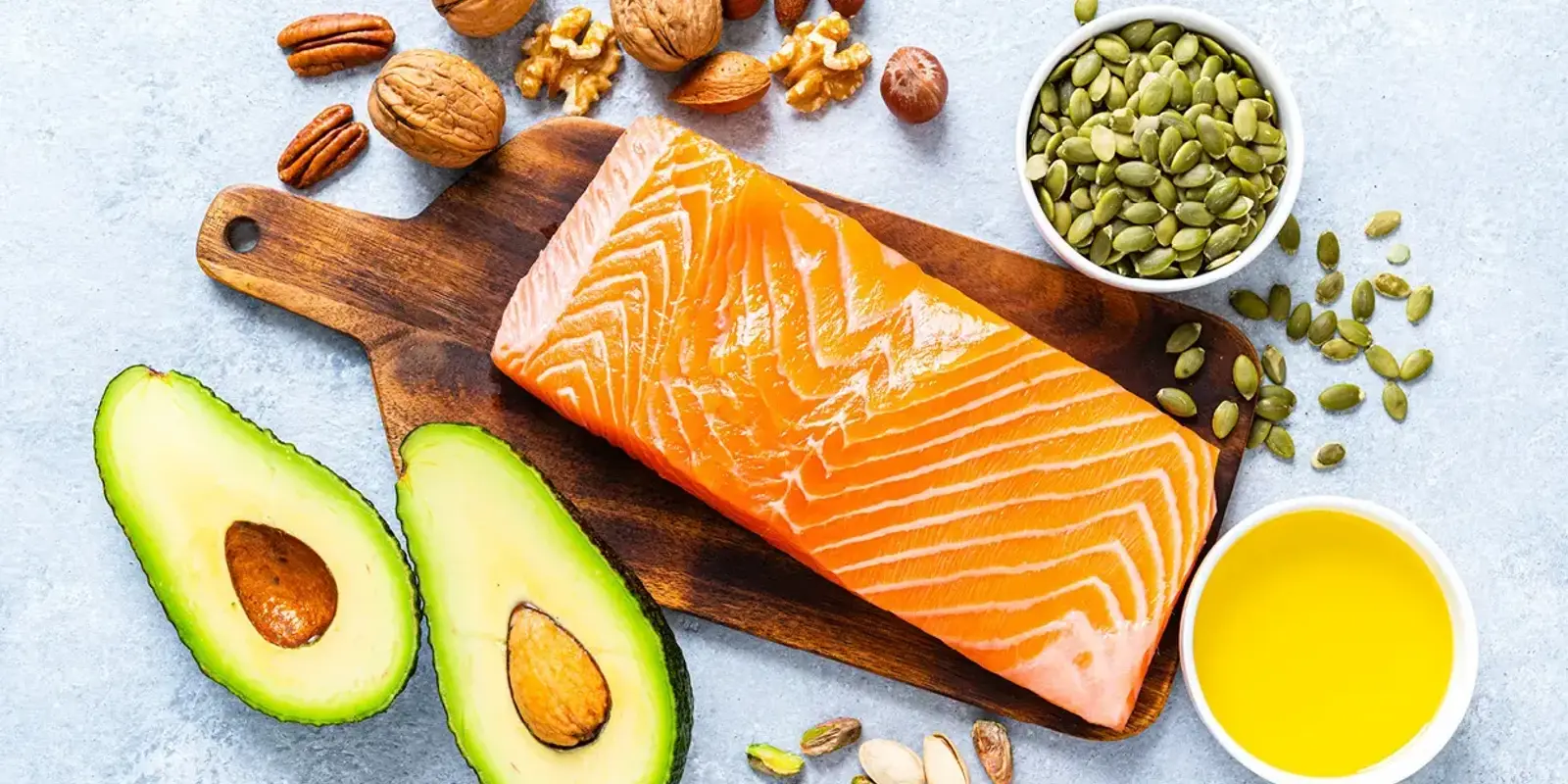
Food can be part of everyday self-care, but no single ingredient can prevent or cure depression, anxiety, or another mental health condition. The National Institute of Mental Health (NIMH) lists regular meals, hydration, and other self-care practices as possible supports for wellbeing, while emphasizing that needs differ by person.[1] Food choices belong alongside—not in place of—appropriate mental health care.
The four foods below can fit into varied meals. They are not “mood medicine,” and you do not need to eat all of them. Choose based on taste, budget, allergies, access, and any medical advice you follow.
1. Oily fish, if you enjoy it
Salmon, sardines, trout, and some other fish contain the omega-3 fatty acids EPA and DHA. The NIH Office of Dietary Supplements explains that EPA and DHA are found in fish and seafood, while plant foods contain ALA, a different omega-3 that the body converts to EPA and DHA only in small amounts.[2]
That nutrition fact does not mean fish treats depression. Research about omega-3 supplements and depression has not established a clinically meaningful treatment effect, and dietary studies do not show that one fish meal will change a person’s mood.[3] If you like fish, include it as one protein option in meals. If you do not eat seafood, other protein foods can also fit a varied diet.
For people with food allergies, pregnancy-related guidance, or questions about fish choices, follow advice from a healthcare professional or public health agency. You do not need to start fish oil or another supplement to follow this article. NIH advises discussing supplements with a provider when medications or health conditions may affect safety.[2]
2. Walnuts, seeds, or another protein food
Walnuts and some seeds can add flavor and texture to oatmeal, yogurt, salads, or snacks. Walnuts contain ALA, the plant form of omega-3; the body’s conversion of ALA to EPA and DHA is limited.[2] That makes walnuts a useful food option for people who enjoy them, but it does not make them a substitute treatment for a mental health condition.
If you have a tree nut allergy, avoid walnuts and prevent cross-contact. Other options may include pumpkin seeds, chia seeds, beans, tofu, yogurt, or another food that suits your needs. MyPlate encourages variety among protein foods, including beans, peas, lentils, nuts, seeds, eggs, seafood, and soy products.[4]
Use toppings in a way that fits your appetite and budget. A small handful can add crunch, or you can leave them out. You do not need to buy an expensive “brain food” product; familiar foods can work just as well for a regular meal plan.
3. Berries and other fruits
Blueberries, strawberries, raspberries, and blackberries can be eaten fresh or frozen. Add them to oatmeal, yogurt, cereal, or a smoothie, or eat them on their own. Other fruits—such as apples, oranges, bananas, or pears—can also be convenient choices. The goal is variety and enjoyment, not a claim that one berry reverses stress or improves mood on its own.
Frozen fruit can be useful when fresh berries are expensive or spoil before you use them. Check whether the package contains added sugar if that matters to you. You can combine fruit with another food, such as yogurt or nuts, when you want a more substantial snack.
A food does not need to be labeled an antioxidant or “superfood” to be worth eating. Choose fruit you like, use what is available, and avoid making health decisions from marketing claims.
4. Dark leafy greens
Spinach, kale, collard greens, and other leafy vegetables can be used in salads, soups, omelets, sandwiches, and grain bowls. Add a handful to a familiar dish or serve them on the side. Fresh, frozen, or canned vegetables can all be practical depending on cost, storage, and cooking time.
USDA MyPlate recommends variety across vegetables and other food groups as part of meal planning.[4] That is general nutrition guidance, not evidence that leafy greens specifically prevent depression or inflammation in an individual. If you take medication affected by vitamin K or have a medical diet, ask your healthcare provider before making a major change in leafy-green intake.
Build a balanced routine without pressure
You can start with one simple meal. Add fruit to breakfast, include beans or fish at lunch, or stir spinach into a soup. Planning a few ingredients ahead can make regular meals easier, but do not turn every meal into a test of whether you are eating perfectly. NIMH includes regular meals and hydration among possible self-care supports, while noting that self-care differs for everyone.[1]
If grocery cost, transportation, appetite, cooking equipment, allergies, or cultural needs shape what you can eat, adapt the plan. Shelf-stable beans, frozen vegetables, canned fish, and seasonal fruit may be more accessible than specialty products. A registered dietitian can help with a nutrition plan when you have a medical condition or restrictive dietary needs.
Food is one part of mental health care
A varied diet can support general health, but it cannot diagnose or treat a mental health condition. Do not stop therapy or medication, or delay seeking help, because a food or supplement is advertised as a natural solution. NIMH advises seeking professional help for severe or distressing symptoms lasting two weeks or more, including trouble sleeping, difficulty concentrating, changes in appetite, loss of interest, or difficulty completing usual tasks.[5] Seek support sooner if you feel unsafe.
If you are thinking about suicide or self-harm in the United States, call or text 988 for immediate support; call 911 in a life-threatening emergency.[5] Outside the United States, contact your local crisis service or emergency number. Food choices may be part of daily care, but getting the right support matters more than finding a perfect menu.
Put the ideas into a simple day
A flexible day might start with oatmeal and berries, include a bean-and-spinach soup at lunch, and use salmon or tofu with vegetables and rice at dinner. Walnuts or pumpkin seeds can be an optional topping. This is only an example, not a meal plan that everyone should follow. You can use different foods, repeat a favorite meal, or choose a quick frozen option. MyPlate suggests planning around available foods and using a variety across food groups.[4]
If cooking feels like too much, keep one low-effort option available: canned beans, frozen vegetables, yogurt, fruit, or a ready-to-eat meal that fits your needs. Wash produce under running water before preparing it, and store perishable foods safely. You do not need special powders, supplements, or “mood foods” to have a useful meal.
Be gentle with appetite and food changes
Stress, medication, illness, finances, and many other factors can affect appetite. If you are eating less than usual, losing weight without trying, or struggling to prepare food, tell a healthcare provider. A dietitian or community support service may help you find practical options. Avoid restricting foods based on a single symptom or a social-media list. If a clinician recommends a diet change, ask how long to try it and what to monitor.
Food can be part of self-care, but it should not become another source of guilt. Choose one addition that feels realistic and leave room for foods you enjoy. Mental health care includes more than diet, and asking for support is a practical step—not a failure.
Sources and further reading
- Caring for Your Mental HealthNational Institute of Mental Health · Accessed 2026-11-03
- Omega-3 Fatty Acids — ConsumerNational Institutes of Health, Office of Dietary Supplements · Accessed 2026-11-03
- Omega-3 Fatty Acids — Health Professional Fact SheetNational Institutes of Health, Office of Dietary Supplements · Accessed 2026-11-03
- Meal PlanningUSDA MyPlate · Accessed 2026-11-03
- My Mental Health: Do I Need Help?National Institute of Mental Health · Accessed 2026-11-03