Nutrition • Fitness Well
Healthy Habits for Flexible Portions and Mindful Eating
A non-restrictive guide to serving labels, meal awareness, snacks, restaurants, and when food rules may need support.
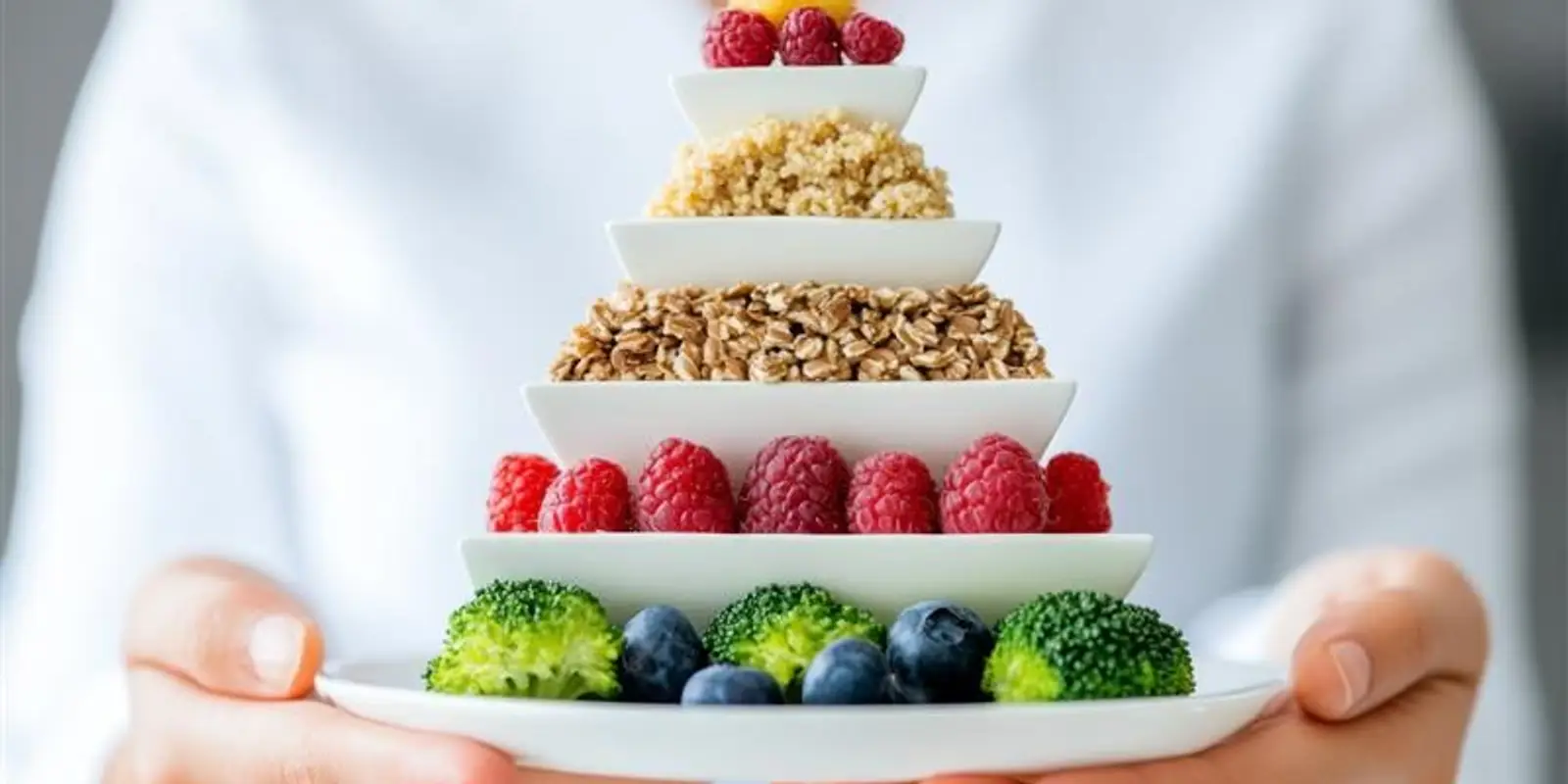
“Portion control” can sound like a strict rule about how much everyone should eat. A more flexible approach is to understand the difference between a portion and a label serving, notice what supports your needs, and make choices without turning meals into a test of willpower.
A portion is the amount you choose to eat at one time. A serving size is the reference amount shown on a Nutrition Facts label; it is not automatically a recommendation for how much you should eat.[1] Appetite, health, activity, culture, access, and individual needs vary. The tips below are general ideas, not a weight-loss plan or a medical diet.
1. Use a plate as an option, not a rule
Some people like a visual plate pattern when planning a meal. You might include a vegetable or fruit, a grain or starchy food, and a protein food. USDA MyPlate encourages variety across food groups.[2] This can be a flexible starting point, but every meal does not need to look the same. A soup, sandwich, bowl, or cultural dish may combine foods in a different way.
You do not need a smaller plate to prove you are eating “correctly.” Use dishes that are comfortable for you. If a plate guide feels restrictive or makes meals stressful, skip it. People with specific medical needs may need guidance from a clinician or registered dietitian rather than a general diagram.
2. Notice the meal without judging it
If it helps, pause before eating and notice whether you are hungry, tired, distracted, or eating because it is the usual time. While eating, you might take a moment to notice taste, temperature, or texture. There is no perfect speed and no requirement to eat without conversation.
Try one small change if you want to pay closer attention: put down a fork between bites, sit at a table, or take a screen break for part of a meal. If eating with family, watching a show, or listening to music is meaningful to you, there is no need to remove it. These are experiments, not tests of mindfulness.
Hunger and fullness signals can be affected by medication, illness, stress, disability, and many other factors. Some people may not feel them clearly. Do not use a single body cue as the only measure of whether you are allowed to eat. If you have a meal plan from a healthcare professional, follow that plan.
3. Use labels as information
Nutrition Facts labels show serving sizes and amounts of nutrients for packaged foods. NIDDK notes that the label serving size is a reference amount and may differ from the portion a person chooses.[1] If you want to compare products, check the serving information and how much you are likely to use. You do not need to weigh or measure everything you eat.
A measuring cup or food scale can be useful for a recipe, food allergy, or specific nutrition plan. It can also become stressful or compulsive for some people. Use tools only when they serve a clear purpose and do not conflict with professional advice.
4. Make snacks easier to manage
If you prefer not to eat straight from a large package, put a snack in a bowl or reusable container. This can make it easier to bring food to work or school. It is optional: you can also eat from the package if that works better for you.
Keep foods you want to use visible or accessible. A bowl of fruit, yogurt, crackers, nuts, or cut vegetables may be convenient, depending on your preferences and allergies. If you share a kitchen, ask others before rearranging their food. The goal is to make choices easier, not to hide or restrict foods.
5. Choose a pace that feels comfortable
Some people enjoy slowing down during a meal. You can take smaller bites, pause for conversation, or set down utensils briefly. There is no universal number of chews or minutes that everyone should follow. Eating speed can vary with work breaks, caregiving, culture, and personal preference.
If you eat quickly because you have little time, consider whether a small schedule change is possible—such as sitting for the first few minutes or packing food that is easy to eat. If time is limited, do not skip meals to compensate. A practical meal break may support your day better than an ideal routine you cannot maintain.
6. Plan for restaurants and shared meals
Restaurant portions and serving styles vary. You can order what you want, share a dish, ask for a container, or choose a side if that suits you. There is no obligation to eat only half of a meal. If you take leftovers home, refrigerate perishable food promptly and follow safe storage guidance.
At a gathering, choose foods that appeal to you and enjoy the company. If a host asks about dietary needs, share what matters for your health or preference. You do not need to explain or defend your choices to other guests.
7. Keep regular meals flexible
Planning meals can reduce last-minute decisions. MyPlate suggests checking what is already available, making a grocery list, and using leftovers when helpful.[2] You might plan one or two meals ahead rather than mapping every snack and portion for the week.
If plans change, adapt. A frozen meal, takeout, or sandwich can be part of ordinary life. Try not to use planning as a way to punish yourself for what you ate earlier or to earn a later meal. Food is not a reward for exercise.
When portion rules become distressing
Repeatedly restricting food, feeling intense guilt after eating, or exercising to compensate can be signs that a person needs more support. NIMH notes that severe restriction, obsessive concern about weight or food, and distress around eating can occur with eating disorders.[3] If eating rules are affecting your health, mood, or daily life, talk with a healthcare provider or qualified mental health professional. Do not wait for a particular body size to ask for help.
Find a comfortable approach
Portion awareness can mean checking a package label, choosing a dish that fits your appetite, or planning a meal that includes foods you enjoy. It does not have to mean shrinking every portion or tracking every calorie. Choose the amount and structure that support your needs, and seek individualized guidance when your health requires it.
If your schedule changes
Shift work, caregiving, school, travel, and medication schedules can all affect when meals happen. You might keep a portable snack, plan a meal before a long commute, or use a reminder if you often forget to eat. These choices are practical supports, not a way to limit food. If your appetite or meal pattern changes suddenly, or you are losing weight without trying, talk with a healthcare provider.
For a shared meal, let people serve themselves when that works for the group. Offer a few sides or toppings separately so each person can choose. A family member may need a different meal plan because of age, activity, medication, or health conditions. Avoid commenting on someone else’s portion or body; it can make meals more stressful. If you are a caregiver, ask the person what support they prefer instead of assuming smaller portions are appropriate.
Meal planning without measuring everything
You can use a simple grocery list to keep a few satisfying options available. Include foods that can be combined in more than one way: beans, eggs, bread, rice, frozen vegetables, fruit, or yogurt. MyPlate encourages planning around foods already on hand and using leftovers when convenient.[2] You do not need to plan exact portions for every day. Having flexible ingredients can make it easier to assemble a meal when your schedule changes.
Sources and further reading
- Food Portions: Choosing Just Enough for YouNational Institute of Diabetes and Digestive and Kidney Diseases · Accessed 2026-11-03
- Meal PlanningUSDA MyPlate · Accessed 2026-11-03
- Eating Disorders: What You Need to KnowNational Institute of Mental Health · Accessed 2026-11-03