Fitness • Fitness Well
What Is Recovery and Why Does It Matter?
Understand recovery as rest, sleep, food, hydration, and gradual training, with limits on tools and supplement claims.
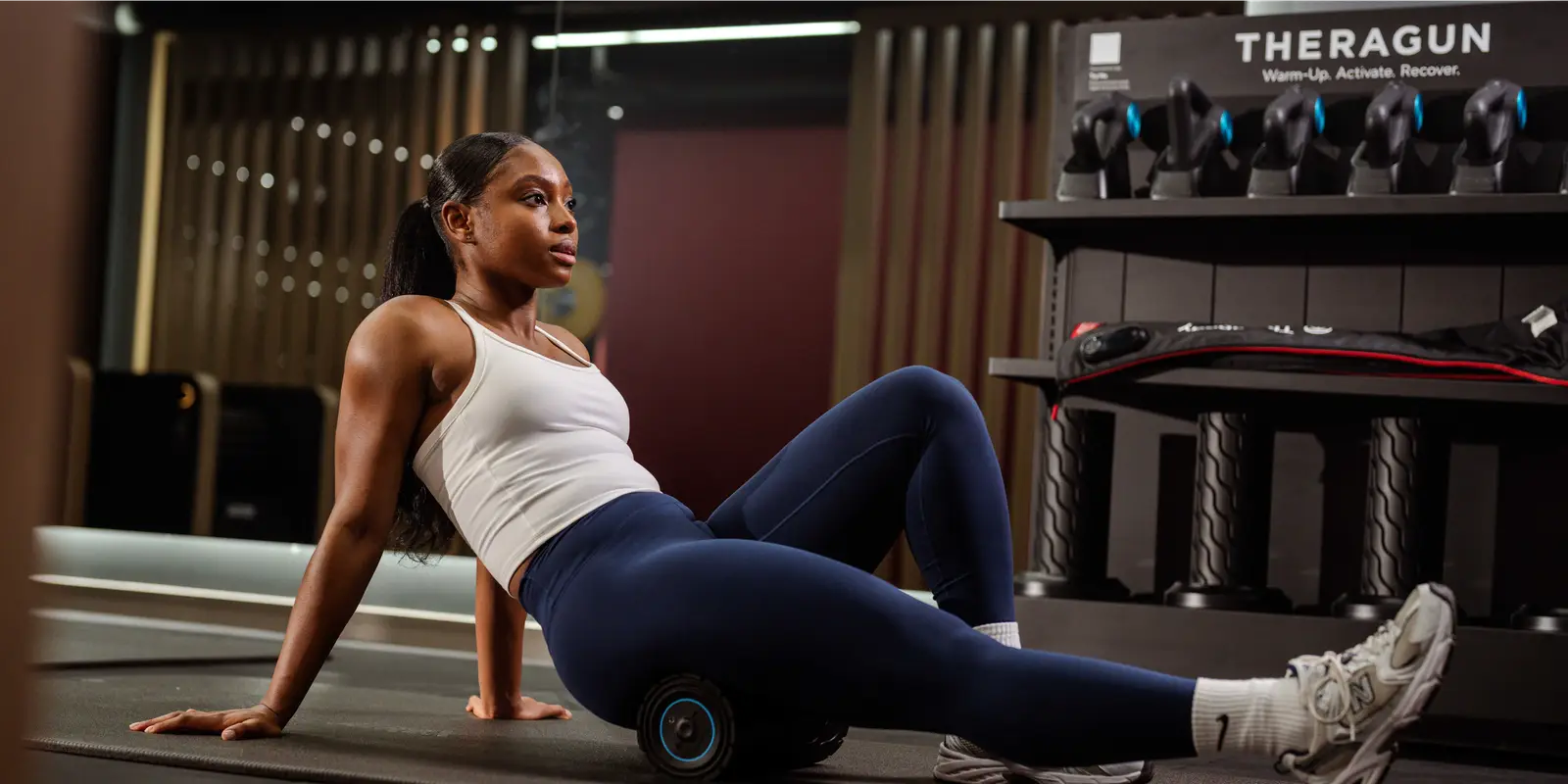
Recovery is the time between demanding workouts when you rest, eat, sleep, and decide what activity is appropriate next. It is more than stretching or using a massage tool. Recovery needs vary with the workout, health, sleep, schedule, and training experience.
This article gives general ideas for planning rest and noticing how you respond. It is not a personalized training program. Follow medical advice if you have an injury, chronic condition, or unusual symptoms.
Balance challenging sessions with easier ones
A hard workout every day is not required for progress. Alternate demanding sessions with easier movement or rest. If you are tired, ill, or returning after a break, reduce duration or intensity and build back gradually. NIA recommends starting at a level that fits your current ability and increasing frequency, intensity, and duration gradually.[1]
A recovery day can include a relaxed walk, easy cycling, or ordinary daily movement if that feels comfortable. It can also mean no formal exercise. Active recovery is optional; it should not become another hard workout disguised as a rest day.
Sleep and routine
Sleep supports everyday health and may affect how ready you feel for the next workout. CDC notes that adults ages 18 to 60 generally need at least seven hours a night, with different recommendations for older adults.[2] A consistent wind-down routine may help some people, but work shifts, caregiving, pain, stress, and housing conditions can make regular sleep difficult.
If you have persistent sleep problems or feel very sleepy during the day, talk with a healthcare provider. Do not respond to tiredness by forcing a harder workout. Adjust activity to your energy and safety.
Eat meals that fit your needs
You do not need a special recovery shake after every session. Ordinary meals can include protein foods, grains or other carbohydrates, fruits, vegetables, and fluids according to your needs. The NIH Office of Dietary Supplements notes that adequate protein from food supports the training response and recovery period, while supplement needs vary.[3]
Protein powder, bars, and drinks are optional. Check labels and consider allergies, cost, and medical restrictions. If you have kidney disease, a medical nutrition plan, or other concerns, ask a clinician or registered dietitian before increasing protein or adding supplements. There is no need to follow a rigid “anabolic window” rule unless a qualified professional has given you a specific plan.
Hydration depends on the person and activity
Water helps the body function normally. Fluid needs vary with age, activity, climate, pregnancy, and health status.[4] A short indoor workout may differ from a long session in heat. Keep water available and drink in a way that fits your needs and any medical guidance. Avoid forcing a fixed amount quickly.
Sports drinks may be useful in some situations, but they are not required after every workout. If you exercise for a long time in heat or have a condition affecting fluid balance, ask a healthcare professional what is appropriate. If you have been told to limit fluids, follow that instruction.
Gentle movement and recovery tools
Some people find a slow walk, gentle stretching, or a foam roller comfortable after exercise. These tools do not guarantee faster healing or prevent injury. Use light pressure, avoid injured or painful areas, and stop if you feel numbness, sharp pain, or worsening symptoms.
Massage devices and compression products are optional. Evidence and safety can vary by tool and health condition. Do not use a recovery device to numb an injury or return to exercise before it is appropriate. If you are unsure whether a tool is safe, ask a clinician or physical therapist.
Signs the plan may be too demanding
MedlinePlus lists persistent tiredness, trouble sleeping, mood changes, sore muscles or heavy limbs, declining performance, and overuse injuries among possible signs of too much exercise.[5] These symptoms can also have other causes, so do not use a checklist to diagnose yourself. Reduce the training load and seek professional advice if problems persist.
Stop exercise for sharp pain, chest pressure, faintness, sudden weakness, or severe shortness of breath. Seek urgent medical care for severe symptoms. If pain is localized, worsening, or affecting everyday movement, consult a healthcare professional before resuming the same training.
A simple recovery check-in
After a workout, ask: Did I sleep and eat as usual? Do I feel ready for another challenging session? Is there pain that changes how I move? The answers can guide a lighter day, more rest, or a conversation with a professional. You do not need a readiness score, body scan, or recovery gadget to pay attention.
You can also plan recovery before you train. Put a rest day after a demanding session, prepare a normal meal, and set aside time for sleep. If a routine repeatedly leaves you exhausted, adjust the workload rather than adding more supplements or tools.
Keep recovery practical
Recovery supports a consistent routine, but it does not guarantee a specific performance result. Prioritize basics that fit your life: gradual progression, rest, sleep, food, and fluids appropriate to your needs. Use stretching or devices only if they feel comfortable. When pain, illness, or a health condition changes the picture, get individualized guidance.
Example: plan a balanced week
Imagine you do a challenging strength session on Monday. You might choose a walk or an easy bike ride on Tuesday, rest or do ordinary activities on Wednesday, and schedule another strength session later in the week. This is only an example. Your work, caregiving, health, and training experience may call for a different pattern. If a clinician or coach gave you a plan, follow that guidance.
A calendar can help you avoid stacking demanding sessions by accident. Mark challenging workouts, then leave space for sleep, meals, and recovery. If the week changes, move or shorten an activity rather than adding a second hard session to make up for a missed one.
Use tools as optional comforts
A foam roller, massage ball, percussion device, compression sleeve, sauna, or recovery screen may be available at a gym. None is required for recovery. If you try one, follow the instructions, start gently, and avoid using it on a bruised, injured, numb, or painful area. Stop if the tool causes discomfort. Ask a clinician before using compression or heat if you have circulation, skin, heart, or other health concerns.
A recovery zone may provide space to sit, stretch, or follow a cool-down video, but the facility should not present equipment as a cure. You can ask staff how a device is intended to be used, whether there are contraindications, and whether you need to book it. Availability and policies vary by location.
Distinguish routine fatigue from a warning sign
Feeling tired after a workout is not automatically a problem, but persistent exhaustion or worsening performance may mean the workload needs review. Pain that changes your gait, limits daily movement, or keeps getting worse should not be treated as ordinary recovery. Rest, reduce the activity, and get professional advice when symptoms persist.
If you have a medical condition, are returning after illness, or are training in heat, recovery may require different decisions. A general article cannot set an individualized fluid, food, or exercise plan. Keep notes about what you did and how you felt, then share relevant details with a professional if concerns continue.
Sources and further reading
- Tips for Getting and Staying Active as You AgeNational Institute on Aging · Accessed 2026-11-03
- About SleepCenters for Disease Control and Prevention · Accessed 2026-11-03
- Dietary Supplements for Exercise and Athletic Performance — ConsumerNational Institutes of Health, Office of Dietary Supplements · Accessed 2026-11-03
- About Water and Healthier DrinksCenters for Disease Control and Prevention · Accessed 2026-11-03
- Are you getting too much exercise?MedlinePlus, U.S. National Library of Medicine · Accessed 2026-11-03