Nutrition • Fitness Well
5 Easy Ways to Add More Greens to Everyday Meals
Practical ways to work leafy vegetables into familiar meals, snacks, and meal prep without overhauling your routine.
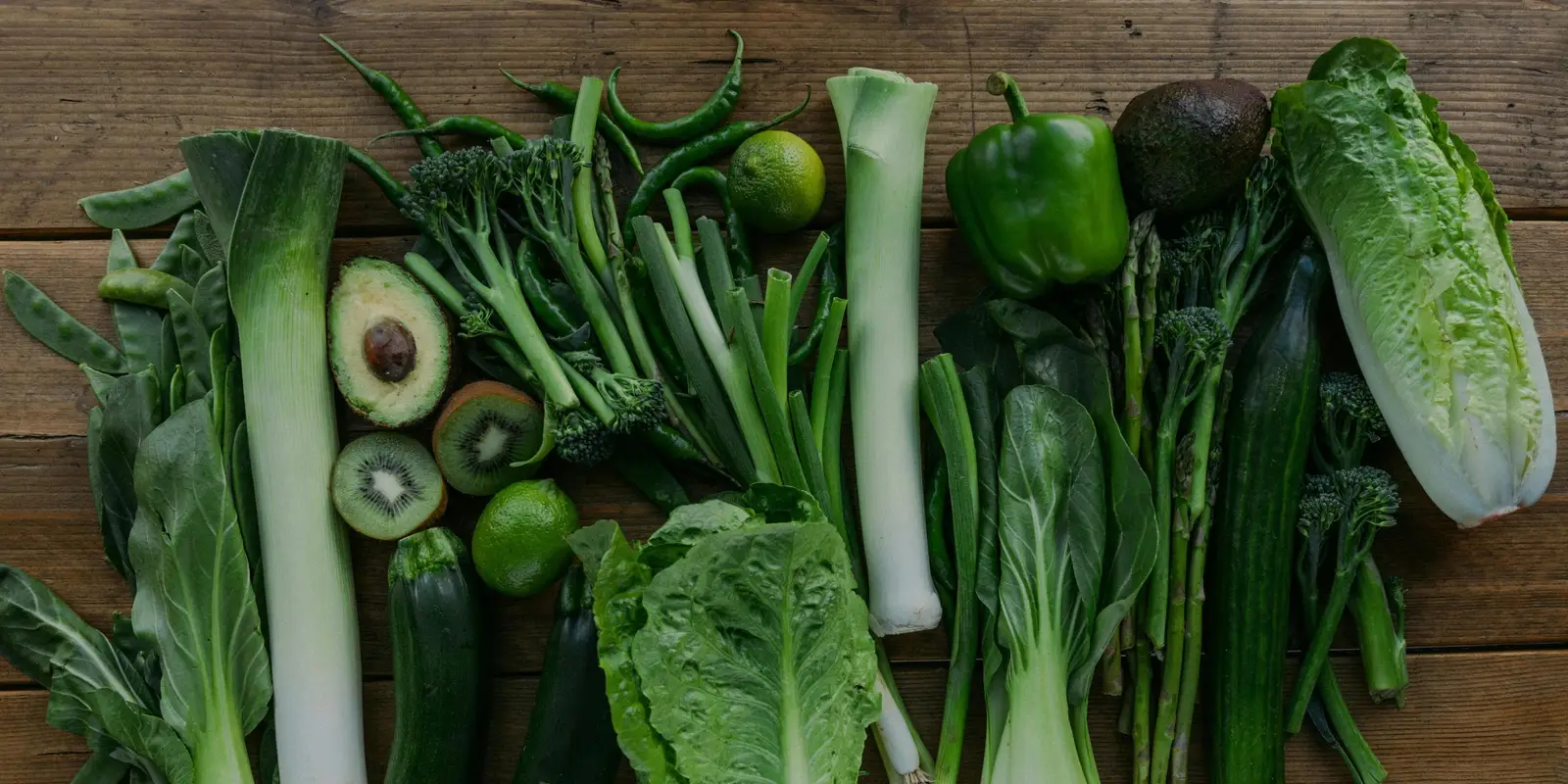
Getting more leafy vegetables into meals does not require a dramatic diet reset, a blender, or an elaborate meal-prep day. Small additions are often easier to repeat: a handful of spinach in eggs, chopped greens folded into soup, or a side salad placed beside a familiar dinner. The goal here is convenience and variety, not hiding food or treating one ingredient as a cure.
The USDA MyPlate approach encourages variety across food groups and planning meals around foods you already have.[1] That makes a useful starting point for these ideas: choose a green you like, use it in a meal you already make, and keep the preparation simple enough to repeat.
1. Blend a handful into a smoothie
A smoothie can carry tender greens such as baby spinach, but the taste and texture depend on what else goes in. Start with a small handful and pair it with fruit you already enjoy, such as banana, berries, or mango. Add a liquid base and blend until smooth. If you want a more filling snack, pair the smoothie with a source of protein or serve it alongside food rather than assuming a drink must replace a meal.
Build the flavor in stages. Spinach tends to be mild; kale or chard may taste more pronounced. A squeeze of citrus or a few berries can shift the balance. If the result is too grassy, use less green next time, choose a milder leaf, or change the fruit. You do not need to add sweetener automatically. Taste first, then adjust.
Treat a smoothie as one convenient format, not the only good way to eat vegetables. Whole leaves in a sandwich or warm vegetables beside a meal may suit you better. If you prepare produce at home, wash fresh fruits and vegetables under running water before cutting or blending them; the FDA advises against washing produce with soap or detergent.[3] Keep refrigerated ingredients cold and use clean equipment.
2. Fold chopped greens into sauces and soups
A handful of chopped spinach can wilt into tomato sauce, lentil soup, bean chili, or a pot of noodles. Add delicate greens near the end of cooking so they soften without disappearing into the pan. More substantial greens, such as kale or collards, usually need more time to become tender. Remove tough stems if you prefer a softer texture, and cut leaves into bite-sized pieces for easier eating.
For a smooth sauce, blend cooked vegetables into the sauce base. For a chunkier result, leave them visible. Both approaches can work; choose based on what your household will enjoy. You can also stir frozen spinach into a soup or sauce. Frozen vegetables can be useful when fresh greens spoil before you finish them, and keeping a bag in the freezer reduces the pressure to plan a specific recipe.
Think about flavor before adding salt. Garlic, onion, pepper, lemon, vinegar, herbs, or a spoonful of a favorite sauce can help a dish taste complete. Add one element at a time and taste as you go. The purpose is to make the meal appealing, not to disguise it so completely that you cannot identify what you are eating.
3. Make breakfast a familiar place for greens
Breakfast can be a simple entry point because many people already cook eggs, oatmeal, toast, or a breakfast wrap. Add spinach or kale to scrambled eggs, an omelet, or a bean-and-egg burrito. If using a sturdier green, cook it briefly before adding eggs so it softens. A little chopped pepper, tomato, or onion can make the filling feel like a complete combination rather than a last-minute garnish.
For a make-ahead option, bake an egg mixture with chopped vegetables in a muffin pan, cool it, and refrigerate portions for a later meal. Follow safe food-handling practices, keep cooked food refrigerated, and reheat portions thoroughly. Or skip batch cooking entirely: keep washed, ready-to-use greens near the eggs so adding a handful becomes part of the routine.
Greens do not belong only in savory breakfasts. You can serve fruit and yogurt alongside a small green smoothie, or add vegetables to a breakfast sandwich. You also do not need to change a breakfast you enjoy. Try one addition for a week and decide whether it improves the meal for you.
4. Turn greens into a snack you look forward to
Kale chips, vegetable dips, and hummus with finely chopped greens can make vegetables easier to reach between meals. To make a basic kale-chip batch, remove tough stems, tear leaves into similar-sized pieces, rinse and dry them well, then toss lightly with oil and seasonings. Spread the leaves out rather than piling them up, and check them often as they bake because thin pieces can darken quickly. Let them cool before storing so steam does not soften them.
A dip can be a more reliable option if you prefer a softer texture. Stir finely chopped spinach or herbs into plain yogurt, hummus, or a bean dip. Serve with cucumber, bell pepper, crackers, or pita. If you are packing snacks, use a clean container and keep perishable foods chilled as needed.
There is no requirement to make a recipe from scratch. Pairing prewashed greens with a favorite dip, or adding spinach to a sandwich, is still a practical choice. A realistic snack is one you can prepare and eat, not one that looks impressive in a photograph.
5. Add greens to grain and pasta dishes
Pasta, rice, quinoa, farro, and other grains can anchor a meal while greens supply color and a different texture. Stir spinach into hot pasta during the last minute of cooking, or add chopped kale to a tomato sauce earlier so it has time to soften. For a grain bowl, layer a cooked grain with greens, beans or another protein, and a dressing you like. A squeeze of lemon, vinegar, or a modest amount of cheese can tie the flavors together.
Leftovers are useful here. Cook extra grains once, then combine them with different vegetables across the week. The USDA MyPlate meal-planning guide recommends planning around available ingredients and reusing leftovers to save time.[1] Its preparation guide also suggests washing greens and chopping vegetables ahead so they are ready for quick meals.[2] Store ingredients in clean, covered containers and label them with the date if that helps you use them in time.
You can use fresh, frozen, or shelf-stable ingredients depending on price, access, and storage space. Compare labels when choosing packaged sauces or canned items if you are watching sodium or added sugars. There is no single shopping format that is best for everyone; convenience and what you will eat matter.
Make the change easy to keep
Start with one meal rather than trying all five strategies at once. Ask a practical question: Which dish do I already cook that could take a handful of greens? Keep the chosen ingredient visible and ready. If a large bag is hard to finish, buy a smaller amount, choose frozen greens, or plan two meals that use the same ingredient. MyPlate's planning materials encourage making a list, using what is already on hand, and preparing some ingredients ahead.[1][2]
Taste is personal. One person may like peppery arugula; another may prefer mild spinach. Try different textures and cooking methods before deciding you dislike all greens. Raw leaves add crunch to a sandwich, while cooked leaves soften in soup. If a texture is the obstacle, chop leaves more finely, blend a small amount into a sauce, or choose a vegetable with a different texture.
If you share meals with children or other family members, offer the ingredient without pressure. Let people choose whether to mix greens into a dish or keep them on the side. “Sneaking” can mean making an easy addition, but it should not require misleading someone about what is in a meal, especially when allergies, medical diets, or strong preferences matter.
A short food-safety note
Wash hands and work surfaces before preparing food. Rinse fresh produce thoroughly under running water, including produce you plan to peel or cut. Do not use soap, detergent, or household cleaning products on vegetables. The FDA notes that washing can reduce bacteria on produce but does not eliminate it.[3] Discard produce that looks rotten, and follow package directions for items labeled ready to eat.
Keep variety practical
Adding greens works best when it fits your schedule, budget, and appetite. A handful in eggs, a frozen portion in soup, or a side salad with dinner is enough to test an idea. You do not need a perfect weekly menu, special supplements, or a complicated recipe. Use combinations that taste good to you, keep basic food safety in mind, and adjust the plan when a meal becomes tedious. Variety can come from trying different leaves, preparations, and familiar dishes over time.
Sources and further reading
- Meal PlanningUSDA MyPlate · Accessed 2026-11-03
- Efficient Eats: Cooking for 1, 2, or 3 — Planning and PreppingUSDA MyPlate · Accessed 2026-11-03
- Selecting and Serving Produce SafelyU.S. Food and Drug Administration · Accessed 2026-11-03