Recipes • Fitness Well
Easy Pumpkin Protein Muffins
Bake pumpkin muffins with applesauce, Greek yogurt, and protein powder, with texture, substitution, and storage guidance.
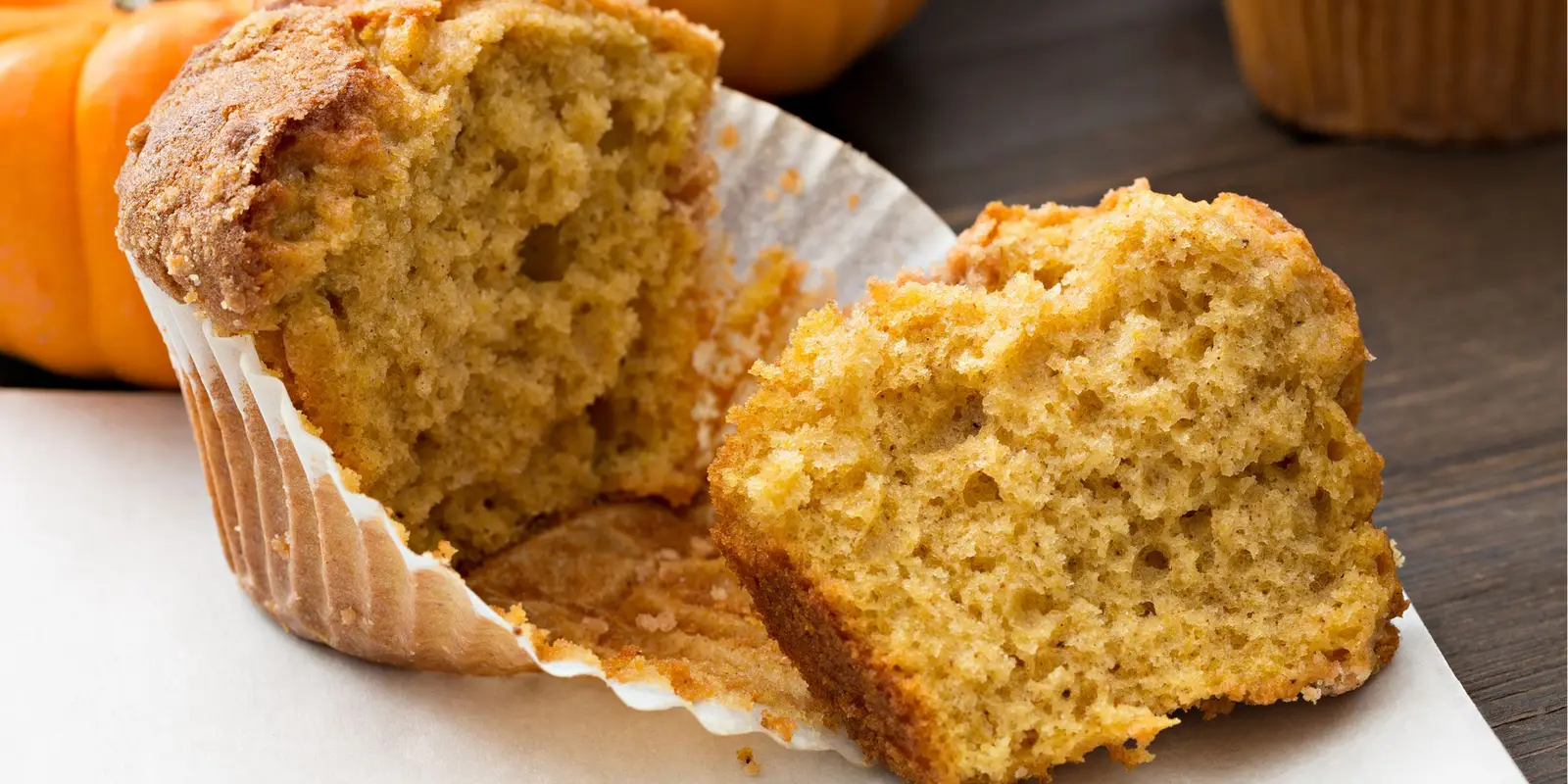
These pumpkin muffins use pumpkin puree, applesauce, Greek yogurt, and vanilla protein powder for a soft, spiced bake. The recipe makes about 12 standard muffins. Protein powder brands differ in flavor, sweetness, ingredients, and texture, so the finished muffins will vary. This recipe does not promise a particular nutrition result; check the package label if you need exact information about your protein powder.
Ingredients
- 112 g unsweetened applesauce, about ½ cup
- 30 g granulated zero-calorie sweetener, or an amount that provides similar sweetness according to the product label
- 425 g plain pumpkin puree, about one 15-ounce can; do not use pumpkin pie filling
- 150 g plain nonfat Greek yogurt, about ⅔ cup
- 60 ml unsweetened almond milk, about ¼ cup
- 1 teaspoon vanilla extract
- 180 g all-purpose flour, about 1½ cups when spooned and leveled
- 125 g vanilla protein powder; weigh it because scoop and cup volumes vary by product
- 1 teaspoon baking soda
- ½ teaspoon baking powder
- 4 teaspoons pumpkin pie spice
- Optional: chopped nuts or chocolate chips
Prepare the pan and oven
Heat the oven to 375°F (190°C). Line a 12-cup muffin pan with paper liners or grease each cup lightly. Set out two mixing bowls, a whisk, and a spatula. If your muffin tin is smaller or larger than standard, adjust the fill level and check baking time early.
Check the pumpkin puree label. Plain pumpkin puree is different from pumpkin pie filling, which is usually sweetened and spiced. If using a large can, measure out 425 g and refrigerate or freeze the remainder in a covered container for another recipe.
Mix the wet ingredients
In a large bowl, stir together the pumpkin puree, applesauce, sweetener, Greek yogurt, almond milk, and vanilla. Break up any thick pumpkin clumps and mix until the ingredients look even. Taste the mixture only before adding the raw flour or protein powder; after flour is added, do not taste the batter uncooked.
Sweeteners differ in sweetness and volume. Some are designed to replace sugar cup-for-cup, while others are more concentrated. Follow the package directions rather than assuming that 30 g of one brand equals 30 g of another. If you prefer a less sweet muffin, use a product amount that suits your taste and note that changing the sweetener can affect texture.
Combine the dry ingredients
In a second bowl, whisk the flour, protein powder, baking soda, baking powder, and pumpkin pie spice. This helps distribute the leavening and spice through the mixture. If the protein powder is lumpy, break up the clumps with the whisk or sift it before adding.
Add the dry mixture to the wet ingredients in two or three portions. Fold gently with a spatula just until no large dry pockets remain. Protein powders absorb liquid differently; the batter may be thicker or thinner depending on the brand. If it is so stiff that it cannot be spooned, add almond milk one tablespoon at a time. If it is very loose, let it stand for a few minutes before adding more flour, since the powder may continue to absorb moisture.
Fold in optional nuts or chocolate chips. Do not overmix; a smooth, beaten batter can produce dense muffins. The mixture should be thick enough to hold its shape in the pan but soft enough to divide with a spoon.
Fill and bake
Divide the batter evenly among the muffin cups, filling each about two-thirds full. Use a spoon or small scoop to keep portions similar. Bake for about 20 minutes, then test one muffin in the center with a toothpick. It should come out without wet batter. If it does not, bake for a few more minutes and test again. Ovens and protein powders vary, so use the center of a muffin rather than browning alone to judge doneness.
Remove the pan with oven mitts and let the muffins rest for several minutes. Transfer them to a wire rack to cool completely. If you remove them while very hot, they may break. The centers may feel soft while warm and set more as they cool.
Texture and flavor adjustments
If the muffins feel dry, the batter may have had too much flour or powder, or the muffins may have baked too long. Weighing the dry ingredients helps reduce guesswork. If the centers are gummy, make sure the pumpkin puree was measured accurately and bake a little longer at the same temperature rather than raising the oven heat.
If the protein powder has a strong flavor, use a mild vanilla brand or a neutral powder and adjust the spice. A small amount of cinnamon or extra pumpkin pie spice can change the flavor, but add it gradually. If the mixture is already sweet because of the powder, reduce the sweetener next time according to its label. Write down the product used so you can repeat a version you like.
Ingredient substitutions
For a dairy-free version, use a plant-based yogurt and check the protein powder label. For a nut-free version, replace almond milk with another suitable milk and omit nuts. If you have a wheat allergy or need a gluten-free muffin, use a gluten-free flour blend that is designed for baking; texture may differ. Avoid substitutions that conflict with a diagnosed allergy or medical diet, and prevent cross-contact with shared tools and surfaces.
You can add chopped walnuts, pecans, or chocolate chips, but additions change the flavor and may change the amount of each allergen in the recipe. Packaged ingredients can change, so read labels every time if allergies matter. The FDA lists wheat, milk, tree nuts, soy, and other foods among major allergens that must be identified on most packaged foods.[3]
Food safety and storage
Do not eat raw batter. Flour is a raw food and may contain germs; the CDC advises baking flour-based dough or batter according to recipe directions and washing hands, bowls, utensils, and counters after handling raw flour.[1] Keep the batter away from ready-to-eat foods and wash the mixing tools before using them for cooked food.
Let muffins cool, then store them in a covered container. Because this recipe includes moist ingredients, refrigerate leftovers promptly and use within three to four days. FoodSafety.gov recommends refrigerating perishable foods within two hours, or within one hour when temperatures are above 90°F, and keeping the refrigerator at 40°F or below.[2] Freeze extra muffins in a sealed container and label the date. Thaw in the refrigerator or warm a single muffin briefly before serving.
Plan a batch for the week
Bake the muffins when you have time to let them cool fully. Store a few in the refrigerator and freeze the rest in individual portions. Pack one in a container with fruit or yogurt if that fits your meal plan. These muffins can be a snack or part of a meal, but they do not replace a varied diet or individualized nutrition guidance.
Protein is available from many foods, including dairy, eggs, beans, nuts, meat, and soy products. Protein powder is optional; NIH’s Office of Dietary Supplements notes that people can obtain protein from foods, and supplement products vary.[4] If you have questions about protein needs, kidney disease, a medical diet, or supplement safety, ask a healthcare professional or registered dietitian.
Make the recipe your own
Start with the measured ingredients, bake a test batch, and adjust one element at a time. Record the brand of powder and sweetener if you want the same result later. Use plain pumpkin puree, avoid tasting raw batter, and check that the centers are baked through. The recipe is a fall-flavored muffin option, not a health treatment or a guaranteed nutrition upgrade.
Sources and further reading
- Raw Flour and DoughCenters for Disease Control and Prevention · Accessed 2026-11-03
- 4 Steps to Food SafetyFoodSafety.gov · Accessed 2026-11-03
- Have Food Allergies? Read the LabelU.S. Food and Drug Administration · Accessed 2026-11-03
- Dietary Supplements for Exercise and Athletic Performance — ConsumerNational Institutes of Health, Office of Dietary Supplements · Accessed 2026-11-03