Mental Wellbeing • Fitness Well
5 Daily Practices That Can Support Mental Wellbeing
Five flexible everyday practices for movement, attention, connection, sleep, and gratitude—with clear limits and support guidance.
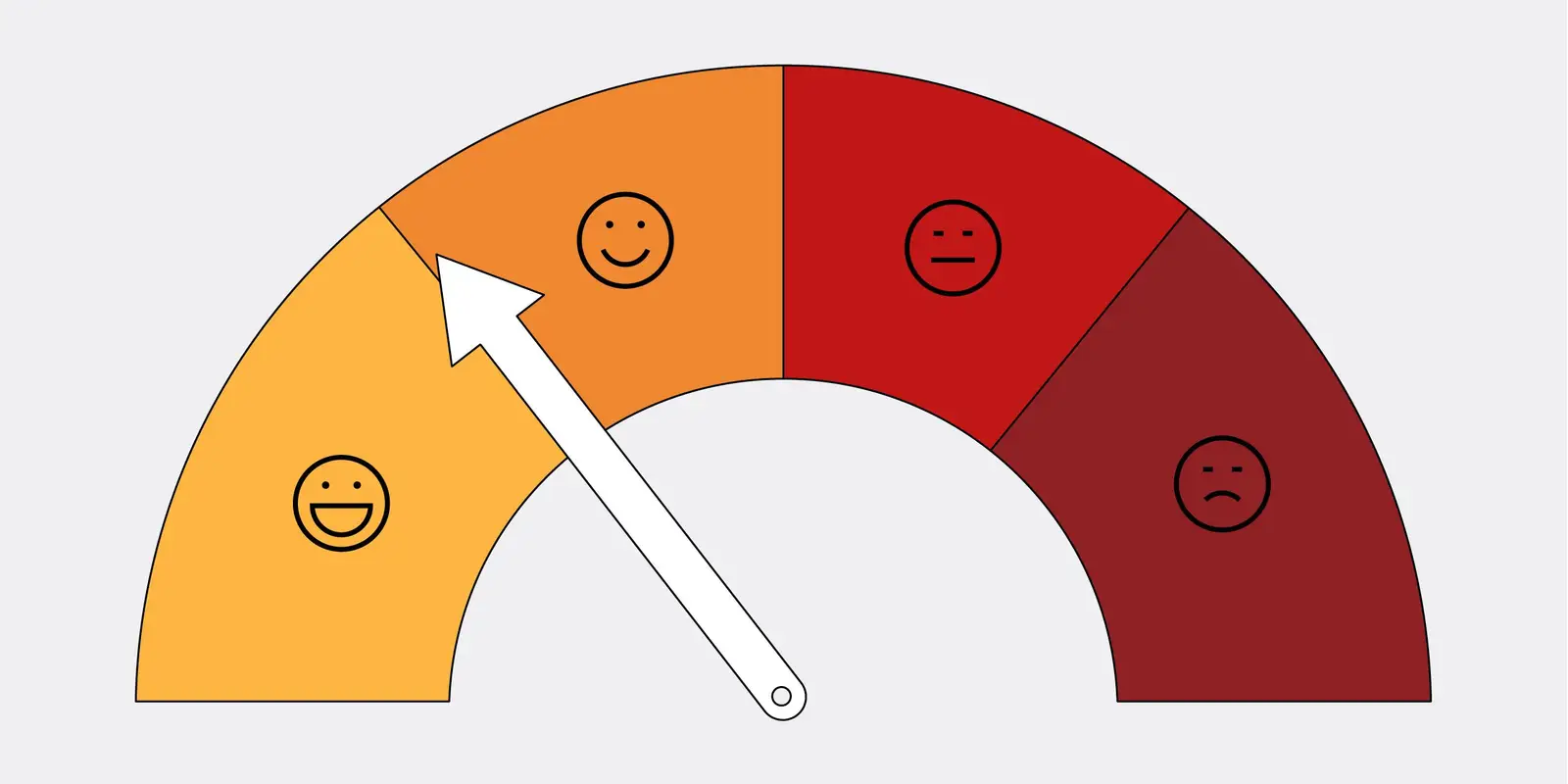
Daily life can leave little space to notice what is happening emotionally. A small supportive habit may help you make room for that attention, but it does not have to be a perfect morning routine or a long list of tasks. Mental health needs vary, and practices that feel helpful to one person may not suit another.
The National Institute of Mental Health (NIMH) describes mental health as part of overall health and quality of life. Its self-care guidance includes movement, regular meals, sleep, relaxing activities, priorities, gratitude, and connection, while emphasizing that self-care looks different for everyone.[1] The five options below are ways to explore that idea. They are not treatments or guarantees of improved mood.
1. Choose movement that fits today
Movement can be a walk around the block, stretching in a comfortable way, gardening, dancing to a song, wheelchair movement, or a planned workout. Pick something that fits your body and circumstances. It does not need to be intense, and you can choose a shorter version on a busy or low-energy day.
Make it easy to begin: put walking shoes near the door, choose a route with a bench, invite a friend, or set a reminder to stand and move if that works for you. If exercise is not accessible or safe today, choose another habit on this list. The point is to offer yourself an option, not to turn movement into a test of discipline.
NIMH includes regular exercise among its self-care suggestions and notes that small amounts can add up.[1] That is general guidance, not a claim that movement will resolve depression or anxiety. If movement brings pain or concerning symptoms, stop and seek appropriate guidance. If a clinician has given you specific activity limits, follow them.
2. Take a brief pause without forcing calm
Mindfulness does not have to mean clearing your mind. You might spend a minute noticing the sounds around you, the feeling of your feet on the floor, or the next breath as it naturally happens. You can also write down one thought or take a short pause between tasks. There is no score and no correct feeling to reach.
If quiet attention makes you more uncomfortable, try an outward-focused activity: look for five colors in the room, water a plant, or listen to a song while doing a routine task. Some people prefer movement or conversation to meditation. Choose the format that feels tolerable.
A pause can help you notice that you are tense or distracted, but it does not make a difficult situation disappear. If a thought keeps returning, you might write it down and decide whether it needs action, support, or professional help. You can stop the exercise at any time.
3. Make one connection
Connection can be a short text, a shared meal, a phone call, or a conversation with a trusted person. If you are unsure what to say, start with something concrete: “I have had a difficult week. Could you listen for a few minutes?” You can also ask how the other person is doing, while respecting their time and boundaries.
Not everyone has a close support network nearby. Consider a community group, peer group, faith or cultural community, volunteer activity, or a professional support service. Online contact can be useful for some people, though it may not replace the kind of support you need. Choose relationships and settings where you feel respected and safe.
NIMH includes staying connected with friends or family among possible self-care practices.[1] Connection is not a substitute for therapy or medical care when those are needed. If someone shares that they are in immediate danger or thinking about suicide, take them seriously and help connect them with crisis support rather than trying to handle the situation alone.
4. Protect a sleep routine where possible
Sleep needs change across age groups. CDC guidance recommends at least seven hours for adults ages 18 to 60, with different ranges for older adults and children.[2] A regular schedule may help some people, but work shifts, caregiving, illness, pain, housing, and other factors can make consistency difficult.
Choose one adjustment that is within reach. You could set a reminder to begin winding down, prepare clothes for the next day, reduce a late caffeine drink if it affects you, or make the sleep space darker and quieter. If screens keep you alert, put a device aside before bed when practical. CDC sleep guidance lists consistent timing, a comfortable sleep environment, and turning off electronics before bedtime among habits that can support sleep.[2]
If you regularly have difficulty sleeping, wake unrefreshed, or feel very sleepy during the day, talk with a healthcare professional. A routine may help some people but will not address every cause of sleep problems. You do not need to blame yourself for a schedule or environment you cannot fully control.
5. Notice one thing you appreciate
Gratitude can be as small as noticing a kind message, a meal you enjoyed, a moment outside, or a task you finished. Write one sentence or name it silently. It is fine if the answer is ordinary. The practice should not require you to deny grief, anger, discrimination, illness, financial stress, or another real difficulty.
If the word “gratitude” feels uncomfortable, use a neutral prompt: “What helped me get through this part of the day?” or “What do I want to remember?” You might notice a person, a choice you made, or simply a moment when the pressure eased. It is also okay to have no answer.
NIMH includes practicing gratitude as one possible self-care idea, not as a universal solution.[1] Do not use a gratitude exercise to silence yourself or someone else. Mixed feelings can exist together: you may appreciate a friend and still feel worried about a hard situation.
Keep habits small and flexible
It is easier to test one habit than to commit to all five. Choose the one that seems most useful and decide when it might happen. “I will take a short walk after lunch on workdays” is clearer than “I will exercise every day.” “I will text one person this evening” gives you a next step without requiring a full social calendar.
You can make a tiny version for difficult days. If a walk is not possible, move or stretch in a way that is comfortable. If you cannot reach a friend, write down what you wish you could say or contact another support. If your sleep schedule changes, return to a routine when circumstances allow. A missed day does not mean you need to restart from zero.
Try the habit for a short period and notice whether it fits. Does it feel supportive, neutral, or stressful? Does it need a different time, format, or person? Keep what works and change what does not. Self-care is not another performance metric.
When to seek additional support
These practices are not a diagnosis, therapy, or a substitute for professional support. If symptoms are severe or distressing, affect your daily activities, or continue, talk with a healthcare provider or mental health professional. NIMH advises seeking professional help for severe or distressing symptoms lasting two weeks or more, such as difficulty sleeping, appetite changes, trouble concentrating, loss of interest, or difficulty completing usual tasks.[1] Seek help sooner if you feel unsafe or need support now.
In the United States, call or text 988 for immediate support if you are thinking about suicide or self-harm; call 911 in a life-threatening emergency.[1] Outside the United States, contact your local crisis service or emergency number.
A daily mental health habit can be modest: move in a way that works, pause, connect, make room for sleep, or notice something you value. Choose the option that fits your life today. Let it support you without expecting it to solve everything.
Sources and further reading
- Caring for Your Mental HealthNational Institute of Mental Health · Accessed 2026-11-03
- About SleepCenters for Disease Control and Prevention · Accessed 2026-11-03