Fitness • Fitness Well
Cool-Down After Exercise: What It Can and Cannot Do
A practical cool-down routine with optional stretching, hydration and food notes, and clear limits on recovery claims.
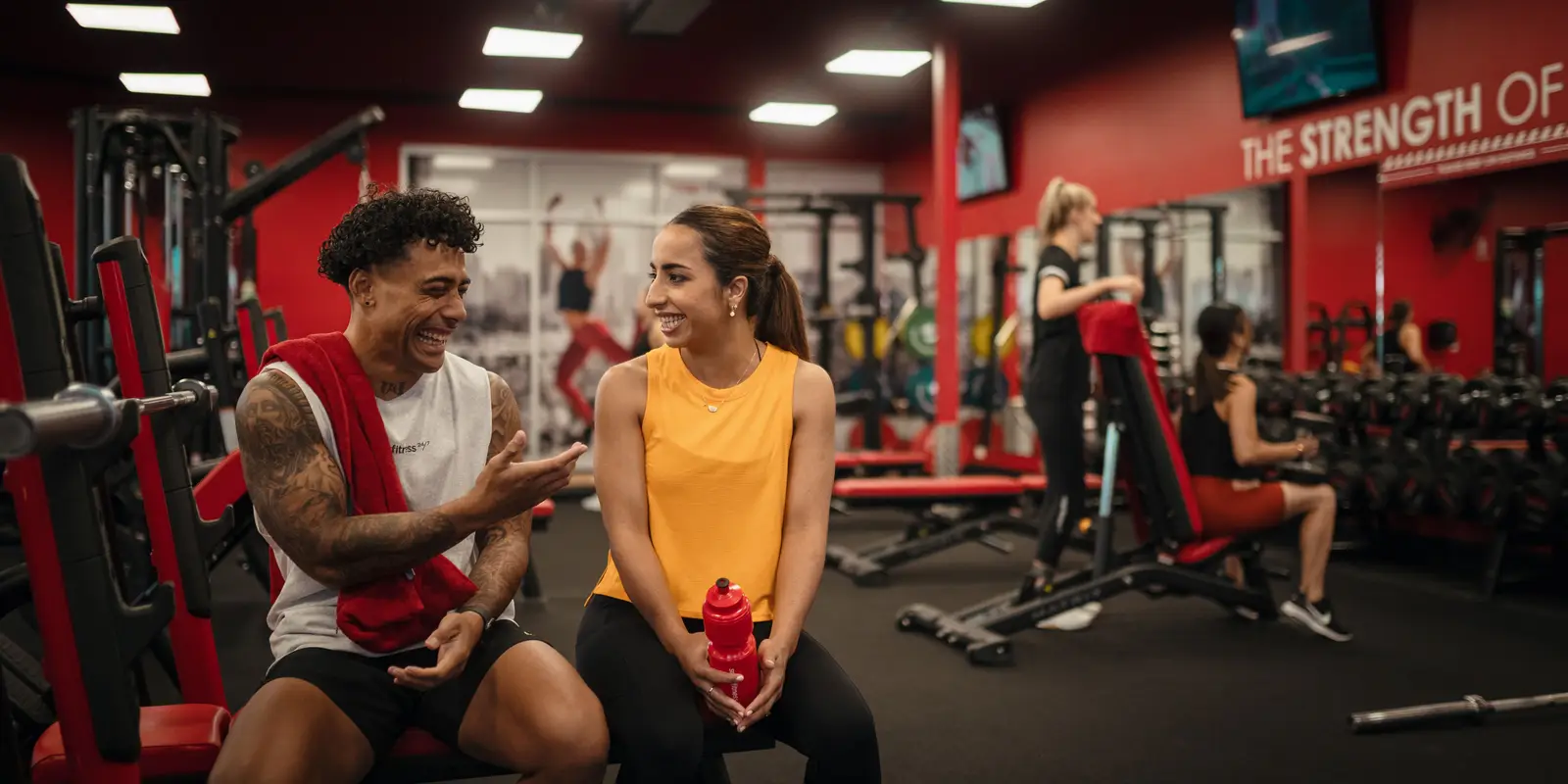
A cool-down is a short period of easier movement at the end of a workout. It can give your body a gradual transition from activity to rest, such as walking slowly after a run or pedaling lightly after a cycling session. It is not a guaranteed way to prevent soreness, injury, or muscle cramps.
MedlinePlus recommends slowing down for about 5 to 10 minutes after exercise to let heart rate and body temperature return toward normal.[1] The exact time and activity can vary. After a light session, a few minutes of easy movement may be enough; after a vigorous session, you may prefer a longer, slower finish.
A simple cool-down sequence
- **Reduce the pace.** Walk, pedal, or row easily for a few minutes. Keep the motion comfortable and gradually slow down rather than stopping abruptly after a demanding aerobic interval.
- **Notice breathing and balance.** Keep moving gently until your breathing feels closer to its usual level. Hold a stable support if you feel unsteady.
- **Stretch only if it feels comfortable.** Choose one or two muscles that feel tight. Move into a mild stretch without bouncing or forcing the joint. Breathe normally and stop if there is sharp pain.
- **Take a moment to reset.** Put away equipment, note how the session felt, and decide whether you need water, a meal, or rest.
You do not need a prescribed 10-minute stretch routine after every workout. MedlinePlus says stretching can help maintain flexibility but notes that it is unclear whether stretching reduces injury.[1] Keep it gentle and optional.
Why slow down at the end
A gradual decrease can make the transition from vigorous effort to rest feel more comfortable. It also gives you time to check whether you feel dizzy, unusually short of breath, or in pain before leaving the gym. If you feel faint or have chest discomfort, stop and seek appropriate medical advice rather than continuing the cool-down routine.
The source article claims that cooling down flushes lactic acid, prevents delayed-onset muscle soreness, and reduces injury. Those are stronger claims than a general cool-down can support. A slow walk can help you transition from activity, but it does not guarantee that soreness will be absent or that you will avoid injury. Training load, sleep, experience, health, and many other factors can influence how you feel afterward.
Stretching: keep the range comfortable
If you choose to stretch, do so after you have been moving rather than forcing cold muscles into a deep position. Hold a gentle stretch for a short period, keep breathing, and do not bounce. MedlinePlus suggests holds of 15 to 30 seconds and advises against stretching so far that it hurts.[1]
You might stretch calves, thighs, hips, chest, or shoulders, but you do not need to cover every muscle group. A stretch should not feel sharp, numb, or unstable. If you have a recent injury or a clinician has given you specific guidance, follow that plan instead.
Fluids and food after exercise
Hydration needs vary with factors including activity, heat, age, sex, pregnancy, and health conditions. The CDC notes that fluid needs can rise with physical activity or hot weather, but there is no single daily amount that fits everyone.[2] Drink according to thirst and any advice from your healthcare provider. Do not force large volumes quickly, and follow a fluid limit if you have one.
You do not need a special shake within 30 minutes of every workout. A regular meal or snack that fits your needs can be enough. The NIH Office of Dietary Supplements notes that people can get protein from foods such as beans, nuts, eggs, dairy, fish, and meat; supplement needs depend on the individual and activity.[3] If you have a medical nutrition plan, use that advice instead of a generic recovery rule.
Cool-downs after different workouts
- **After a run:** Walk at an easy pace and let breathing settle. If a muscle feels tight, use a gentle stretch without forcing range.
- **After strength training:** Put away weights, walk briefly, and move the muscles you trained through comfortable ranges. There is no need to perform a second workout as a cool-down.
- **After a class:** Follow the instructor’s slower closing movements if they feel comfortable. Modify any floor position that is difficult to enter or exit.
- **After swimming or cycling:** Slow the pace before ending, then step off equipment carefully and regain balance before walking away.
What if you feel sore?
Some soreness can occur after unfamiliar or demanding exercise. A cool-down is not a treatment for an injury. If pain is sharp, worsening, causes a limp, or interferes with ordinary movement, stop the activity and seek professional guidance. MedlinePlus advises responding to pain and reducing or stopping activity when needed.[1]
If soreness repeatedly disrupts sleep or daily tasks, review the amount of exercise, rest days, and progression with a qualified professional. You may need to reduce time, intensity, or frequency. Do not use stretching or foam rolling to push through a symptom you have not assessed.
Make a cool-down fit your routine
Keep the plan simple: slow down, check how you feel, and stretch only if it is comfortable. On a busy day, a few minutes of easy movement may be all you need. On another day, you may want a longer walk or a quiet breathing break. The goal is a comfortable transition, not a perfect sequence or a promise of faster recovery.
Recovery also includes what you do between workouts: rest, sleep, regular meals, and a training schedule that matches your current ability. A cool-down can be one small part of that routine. If you have a medical condition, injury, or symptoms that concern you, ask a healthcare professional for personal guidance.
Match the cool-down to the workout
A cool-down does not need to copy the workout. After a steady run, a slow walk is a direct way to reduce pace. After a strength session, you can put away weights, walk around the room, and move the trained areas through a comfortable range. After cycling, pedal with little resistance before getting off the bike. After a class, follow a slower sequence or choose a seated option if getting to the floor is difficult.
If you exercised in heat, move to a cooler place and rest. Drink according to your needs, and stop if you feel faint or confused. A cool-down does not treat heat illness or other medical symptoms. Seek help if symptoms are severe or do not improve.
If you need to leave quickly
If you cannot stay for a long routine, slow down for a few minutes before ending the session. You can also walk to the water fountain or locker at an easy pace. Do not rush from a hard interval to standing still if you feel dizzy or unsteady. If time is short, shorten the next workout rather than skipping warm-up and cool-down every time.
A brief transition is enough to pause and notice whether you feel well. Sit if you feel lightheaded. If you have chest pressure, fainting, severe shortness of breath, or sharp pain, stop exercising and seek appropriate medical care.
Avoid recovery rules that create pressure
You do not need to stretch every muscle for a fixed number of minutes, drink a set volume of water, or consume a protein shake immediately after training. Needs vary by person and activity. A routine should help you finish comfortably, not create anxiety about missing a step. If a clinician, coach, or physical therapist has given you a personal plan, follow that guidance rather than a generic checklist.
Sources and further reading
- How to avoid exercise injuriesMedlinePlus, U.S. National Library of Medicine · Accessed 2026-11-03
- About Water and Healthier DrinksCenters for Disease Control and Prevention · Accessed 2026-11-03
- Dietary Supplements for Exercise and Athletic Performance — ConsumerNational Institutes of Health, Office of Dietary Supplements · Accessed 2026-11-03