Fitness • Fitness Well
How to Choose a Gym That Fits Older Adults
A practical checklist for assessing gym access, instruction, equipment, cost, and exercise options for adults 65 and older.
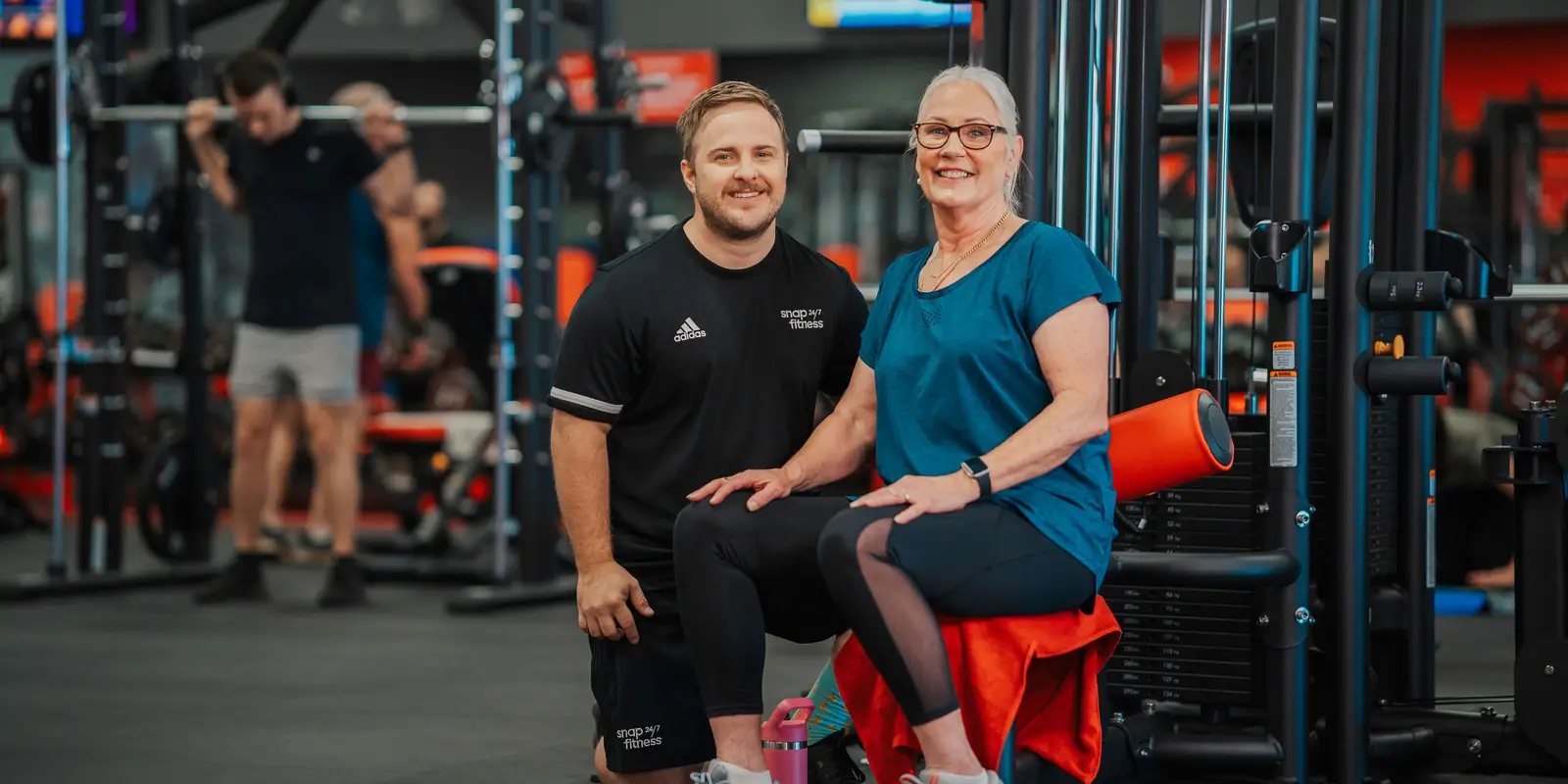
A gym can be useful at many ages, but “senior-friendly” means more than having treadmills and a discount. Older adults have different needs, preferences, mobility, health histories, budgets, and comfort levels. The best facility is one you can access, use safely, and return to without pressure.
This guide explains what to look for when comparing gyms and how to build a routine that fits. It does not evaluate a specific Snap Fitness location or promise that a particular gym has a service, discount, or accessibility feature. Ask the staff at the location you plan to visit and confirm details before joining.
What movement can include after age 65
The CDC recommends that adults 65 and older include aerobic, muscle-strengthening, and balance activities each week. Its general target is at least 150 minutes of moderate aerobic activity, or an equivalent combination, plus strength activity on at least two days and activities that improve balance.[1] If you have trouble meeting those recommendations, CDC advises being as active as your abilities and conditions allow.[1]
The National Institute on Aging describes aerobic, strength, balance, and flexibility activities as useful parts of movement for older adults.[2] They can be done in many settings. Walking, water exercise, chair-based activity, resistance bands, tai chi, and supervised strength work may all be options depending on your abilities and goals.
You do not need to start with a full weekly target. A short session, a class, or a few exercises can be a starting point. If you have a chronic condition, recent surgery, pain, balance problems, or questions about exercise, ask a healthcare professional what activities fit your situation.
Check access before you sign up
Visit the facility at the time you expect to exercise. Look at the entrance, parking, elevators, restrooms, lighting, floor surfaces, and the distance between equipment. If you use a cane, walker, wheelchair, or other mobility aid, check that there is enough clear space to move and turn.
Ask whether the gym offers equipment that can be adjusted while seated, accessible changing areas, water access, and a place to rest. Ask what support is available during staffed hours and what happens when staff are not present. If the facility offers 24-hour access, confirm how that works and whether it suits your comfort and safety needs.
Try the route from the door to the equipment you would use. A facility may look accessible online but feel different in person. If possible, ask for a tour and test the check-in process. Bring a support person if that makes the visit easier.
Ask about instruction and support
A trainer can help with equipment setup and exercise technique, but credentials and experience matter. Ask whether trainers have experience working with older adults, mobility limitations, or your specific goals. Ask what the trainer will do if an exercise causes discomfort and whether they will adapt it rather than insisting you continue.
Some gyms offer group classes, personal training, or small-group sessions. Ask about class size, pace, music volume, available modifications, and whether you can observe before joining. A class described as “beginner” may still be challenging; try a sample or ask the instructor what movements are included.
If you need clinical rehabilitation or treatment, a gym trainer is not a substitute for a physical therapist or healthcare professional. A trainer can support exercise within their scope, while medical questions should go to a qualified clinician.
Look for equipment you can use comfortably
Machines with clear instructions and adjustable seats can make some movements easier to set up. Resistance bands and light weights may offer alternatives to machines. Stable chairs and rails can support certain exercises, but use only equipment designed for that purpose. Do not lean on a movable chair or hold a machine in a way the manufacturer does not recommend.
Ask to learn one machine at a time. Adjust the seat and weight before beginning, and make sure you understand how to stop the machine. Begin with a light resistance and controlled motion. If a movement causes pain, dizziness, or unsteadiness, stop and seek guidance.
Equipment availability does not guarantee an exercise is right for you. Choose movements based on your body, health history, and professional advice. You can also exercise at home or in a community center if those settings feel more accessible.
Consider cost, schedule, and policies
Ask about membership price, initiation fees, cancellation terms, guest policies, class availability, and any age-related discounts. Discounts and services vary by location and may change, so request current details in writing. Review the contract before paying and check what access is included.
Think about travel time and hours. A gym close to home or transit may be easier to visit regularly. If you prefer exercising when staff are present, ask which hours are staffed. If you plan to use a class, check its schedule and whether a reservation is required.
Do not pay for features you are unlikely to use. A basic membership, community recreation center, walking group, or home routine may fit better. The right choice is not necessarily the one with the most equipment.
Start with a manageable routine
If you join, begin with activities you already know or have been cleared to do. Try one short visit to learn the layout and practice adjusting equipment. Add sessions gradually. Federal activity recommendations are goals to work toward, not a pass-or-fail test.[1]
A simple weekly plan might combine comfortable aerobic movement with two brief strength sessions and balance practice, if those activities suit you. Use a stable support for balance work and ask a professional to show safe technique. Rest when needed and adapt the plan if pain, fatigue, or schedule changes arise.
Questions to ask during a tour
- Can I use the equipment while seated or with an aid?
- When are staff available to help with setup?
- Do instructors offer modifications and allow breaks?
- Are there accessible restrooms and clear paths between machines?
- What is the full membership cost and cancellation policy?
- Can I try a class or visit before joining?
- What support is available if I have a health or mobility concern?
Choose a place that fits you
A supportive gym respects your pace, explains equipment clearly, and lets you choose whether to participate. You should feel comfortable asking questions or stopping an exercise. If a facility dismisses a concern, pressures you to continue through pain, or cannot explain its policies, consider another option.
Staying active as you age does not require one brand, one class, or one kind of equipment. Compare access, instruction, cost, schedule, and comfort. Start with a manageable activity and use professional guidance when needed. The right setting is the one that makes movement practical for you.
Compare options side by side
After visiting two or three places, write down what mattered most: distance, staff availability, equipment access, class pace, or total cost. A short list can make it easier to compare facilities without focusing only on the newest machines. If you do not feel comfortable during a tour, note what caused that reaction and ask whether the issue can be addressed. You can also ask whether a trial visit is available before committing to a contract. Take time to review the written terms at home, where you can read them without pressure.
Sources and further reading
- Older Adult Activity: An OverviewCenters for Disease Control and Prevention · Accessed 2026-11-03
- Three Types of Exercise Can Improve Your Health and Physical AbilityNational Institute on Aging · Accessed 2026-11-03