Wellbeing • Fitness Well
Three Practical Ways to Budget Your Time and Energy
Use a neutral time inventory, flexible calendar blocks, and simple routines to make space for priorities and rest.
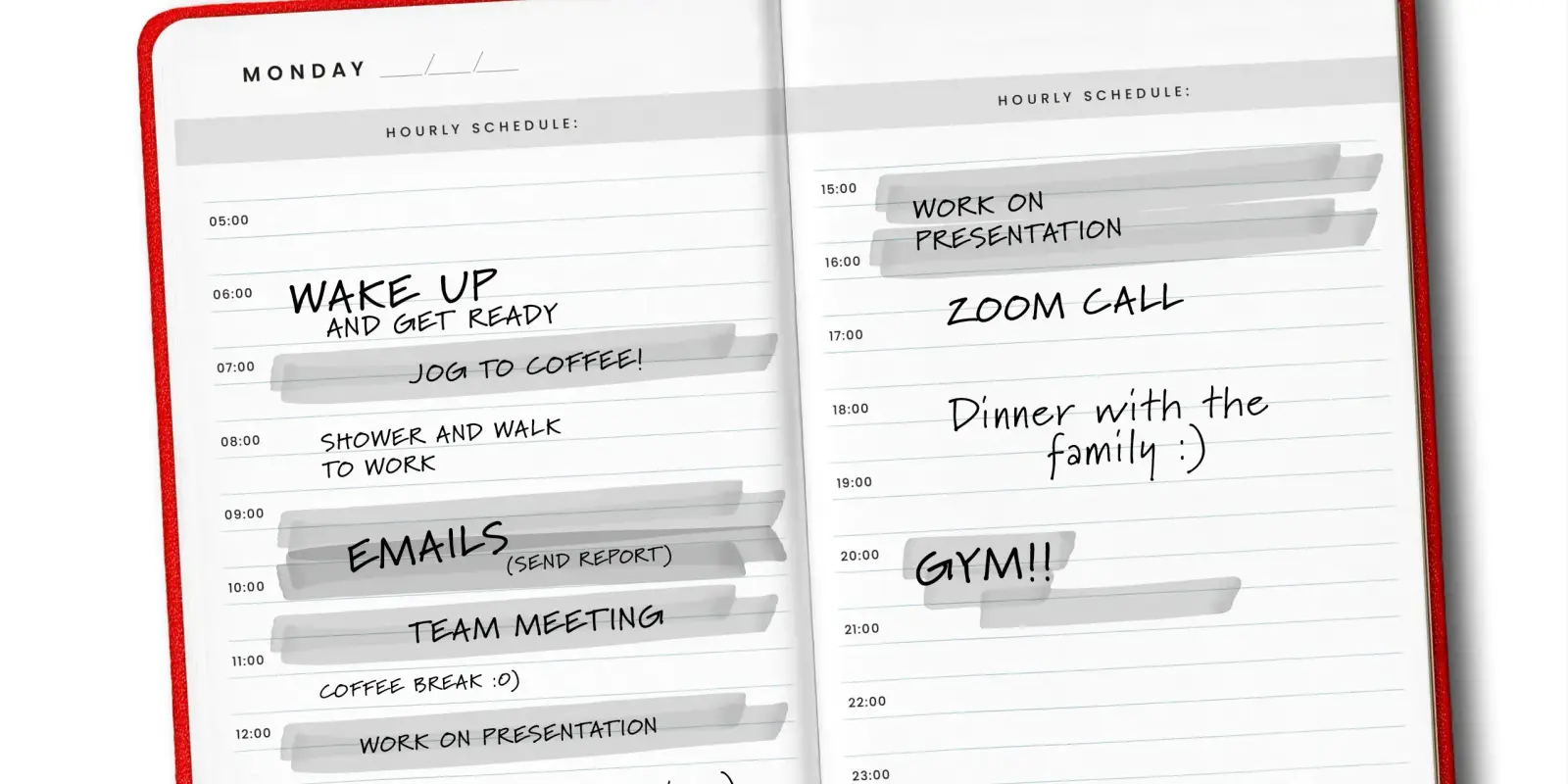
Time and energy “budgeting” means choosing where your attention goes, much as a financial budget helps organize spending. It is a planning metaphor, not a rule that every hour must be productive. Some responsibilities cannot be moved, and energy changes with health, stress, work, caregiving, sleep, and access to support.
The three approaches below can help you notice priorities and make room for a small change. They are not a promise to transform your life or a substitute for help with burnout, depression, illness, or financial hardship. Use the parts that fit and leave the rest.
1. Make a neutral inventory
For several days, note the main activities that use your time: work, school, meals, commuting, caregiving, rest, exercise, social time, and errands. Do not label activities as “good” or “bad.” The purpose is to see what your day contains, not to judge yourself.
Then ask a few questions: Which activities feel necessary? Which ones support something I value? Where do I feel rushed? Is there a task I can shorten, share, reschedule, or stop doing? You may notice that a habit you enjoy takes time but also helps you feel connected. It does not need to be removed just because it is not a work task.
Choose one small adjustment. For example, prepare a lunch the night before, ask someone to share an errand, or reserve a short break after a demanding meeting. Avoid removing all rest or enjoyable activities to make room for more work.
2. Use a flexible calendar block
A calendar can protect time for something important, such as a walk, a meal, a call with a friend, or a work task. Put the activity in a realistic time slot and decide what you will do if the day changes. You can use a phone calendar, a paper planner, or a simple note.
Time blocking works best when it leaves room for transitions and unexpected tasks. You do not need to schedule every five minutes. Try a block for one task, then leave a buffer before the next commitment. If an activity regularly takes longer than expected, adjust the estimate rather than assuming you are failing.
Write down a short priority list for the day. Three items may be enough. If the list is longer, separate what must happen today from what can wait. NIMH recommends setting priorities and deciding what needs attention now and what can be postponed.[1]
3. Build routines around cues
Routines can reduce the number of decisions you need to make. You might pack work clothes after dinner, set out walking shoes, or prepare ingredients before the morning. A small cue—such as a calendar alert or a container in the front of the fridge—can help you remember.
Keep the routine flexible. Meal prep can mean washing fruit or cooking one grain, not preparing every meal for a week. Setting out clothes can save a few minutes, but it is not necessary for everyone. A morning workout may suit one schedule, while an evening walk or a rest day suits another.
If a habit is difficult to maintain, look at the barrier. Is it time, cost, pain, childcare, transportation, or low energy? Change the plan to address the actual issue. A shorter activity, a home option, or help from someone else may be more practical than a stricter reminder.
Make a sample day that has room in it
Start with fixed commitments, such as work, appointments, meals, or caregiving. Add one priority that supports your wellbeing, such as a short walk, a quiet break, or time to call someone. Leave space for transitions and tasks that tend to take longer than expected.
If the schedule becomes crowded, decide what can move. You may shorten a workout, use a simpler meal, or reschedule an optional task. Do not cancel necessary medical care or rest simply to preserve a perfect plan. A plan should serve your life, not make you feel behind before the day begins.
Protect rest and relationships
“Budgeting” can imply that every activity must earn its place. Rest, unstructured time, and relationships matter even when they do not produce a visible result. The CDC describes breaks, relaxation, and connection as possible ways to cope with stress.[2] NIMH also includes enjoyable activities and social support among possible self-care practices.[1]
If your schedule depends on another person’s labor, ask whether the plan is fair and sustainable. Delegating a task may require a conversation, not just a calendar change. You can also set a boundary around availability: “I can help after 4 p.m., but I am unavailable before then.”
Review without blame
At the end of the week, look at what worked. Did the calendar block fit? Was meal prep useful? Did you leave enough time to rest? Keep what helped and change one part that did not. A missed task is information about the plan, not proof that you lack discipline.
If you are managing a health condition, disability, caregiving, shift work, or financial constraints, your options may be limited. A planner cannot create resources that are not available. Consider asking a trusted person, workplace, community organization, or healthcare provider for support with the barrier.
When more help is needed
If stress feels unmanageable, affects sleep or daily functioning, or persists, consider talking with a healthcare provider or mental health professional. NIMH advises seeking professional help for severe or distressing symptoms lasting two weeks or more, including difficulty sleeping, trouble concentrating, loss of interest, or difficulty completing usual tasks.[3] Seek help sooner if you are concerned or feel unsafe.
Choose one useful change
Pick one small adjustment for the next week: protect a short break, plan one meal, move an optional task, or ask for help. Keep the plan realistic and allow it to change. Time and energy are limited resources, but they are not a personal score. The aim is to make space for what matters while respecting the limits and responsibilities of your actual life.
Adapt the plan on low-energy days
Your energy may change from day to day. If you wake up tired, feel sick, or are carrying more responsibilities than usual, choose a smaller version of the plan. That might mean postponing a workout, using a simpler meal, or asking someone to help with an errand. A plan that includes a low-energy option is more realistic than one that only works when everything goes well.
You can also use a “minimum” and “full” version of a routine. A minimum walk could be five minutes outside; a full version could be a longer route. A minimum meal-prep step could be washing fruit; a full version could be preparing lunch for two days. Both are choices, not measures of character.
Notice what drains or restores energy
A weekly review can include how you felt, not just what you completed. Which tasks took more energy than expected? Which conversations or activities felt supportive? Did you schedule breaks after demanding work? This is not a diagnostic exercise, and you do not need to track feelings every day. It can be a brief reflection that helps you decide what to adjust.
If a particular responsibility cannot be changed, think about whether you can change its timing, prepare for it, or ask for support afterward. Some stressors are structural and cannot be solved with a better calendar. Recognizing that limit can help you seek practical help rather than blaming yourself.
Sources and further reading
- Caring for Your Mental HealthNational Institute of Mental Health · Accessed 2026-11-03
- Managing StressCenters for Disease Control and Prevention · Accessed 2026-11-03
- My Mental Health: Do I Need Help?National Institute of Mental Health · Accessed 2026-11-03