Recipes • Fitness Well
Blender Banana-Oat Pancakes
Make soft banana-oat pancakes with a short ingredient list, clear pan cues, topping options, and storage notes.
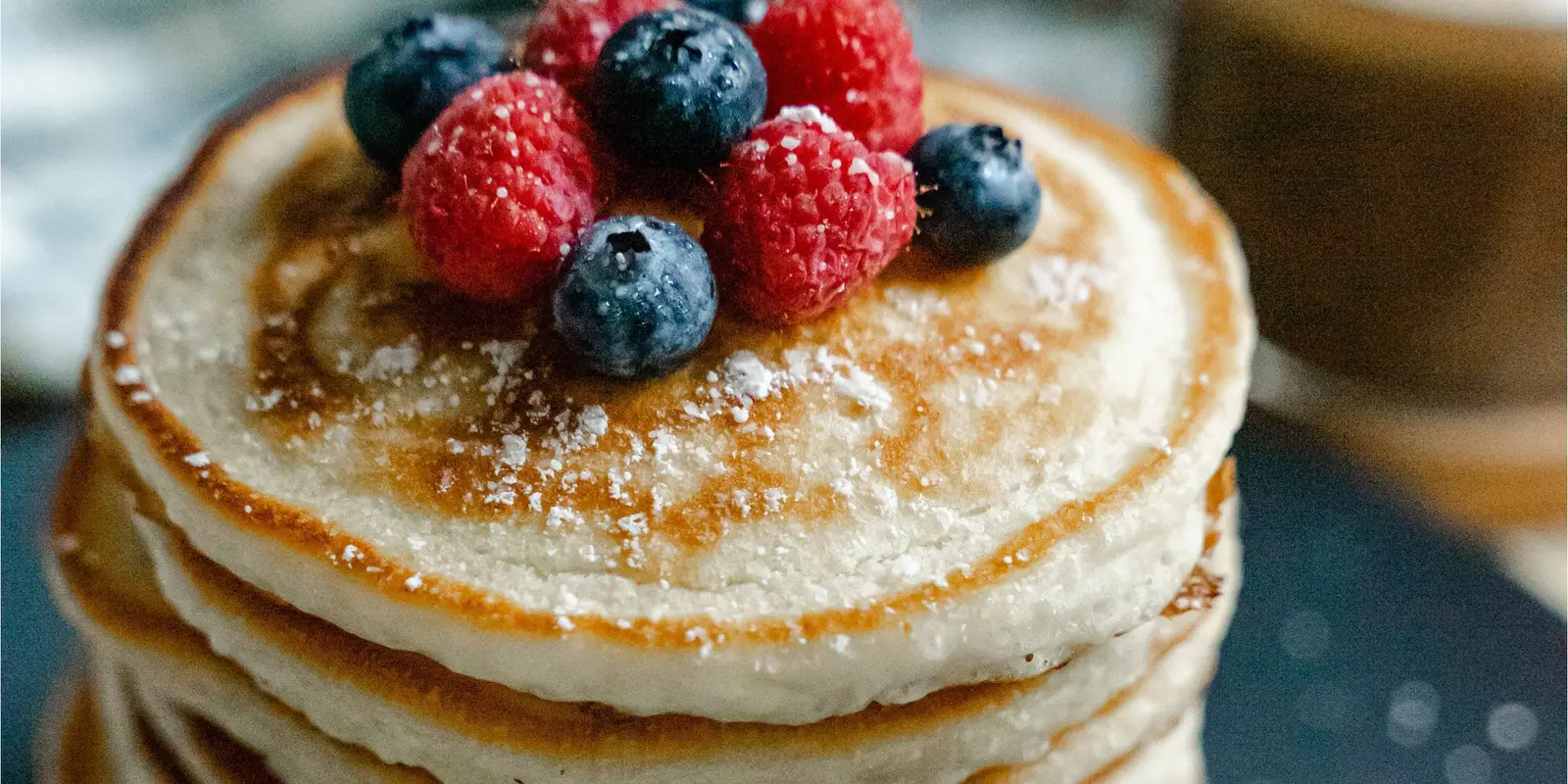
These banana-oat pancakes blend a short list of ingredients into a pourable batter. They are naturally sweet from ripe bananas and cook best as small pancakes over medium-low heat. The recipe makes about eight ¼-cup pancakes, depending on batter thickness and pan size. Add toppings you enjoy, and adjust the cooking time to your stove.
Ingredients
- 2 ripe bananas
- 2 large eggs
- 1 teaspoon vanilla extract
- ½ cup quick-cooking oats
- 1 teaspoon ground cinnamon
- A little oil or butter for the pan
Optional toppings: berries, yogurt, sliced banana, nut butter, or maple syrup.
Blend the batter
Peel the bananas and break them into pieces. Add them to a blender with the eggs, vanilla, oats, and cinnamon. Blend just until the oats are broken down and the mixture looks mostly smooth. Scrape down the sides if oats stick to the jar. Let the batter stand for about five minutes so it thickens slightly.
If the batter is too thick to pour, add a teaspoon or two of milk or water and blend briefly. If it is very thin, let it stand for another minute or add a small spoonful of oats. Bananas vary in size and moisture, so make small adjustments rather than adding a large amount at once.
No blender? Mash the bananas in a bowl, whisk in the eggs and vanilla, then stir in the oats and cinnamon. The pancakes will have a more textured finish. If you want a smoother batter without a blender, use quick oats that are already finely cut or pulse them into oat flour before mixing.
Cook the pancakes
Heat a nonstick skillet or griddle over medium-low heat. Lightly grease the surface. Drop about ¼ cup of batter per pancake, leaving room to flip. Smaller pancakes are easier to turn because banana batter is softer than some flour-based batters.
Cook until the edges look set and bubbles begin to appear on the surface, usually about two minutes. Slide a thin spatula fully underneath and flip gently. Cook the second side until golden and cooked through, about one to two minutes. Lower the heat if the outside darkens before the center sets. Wipe the pan between batches if small bits begin to burn, then add a little more grease as needed.
The first pancake is a useful test. If it spreads too much, let the batter stand or add a small spoonful of oats. If it is thick and difficult to flip, loosen the batter with a little liquid. Adjust the heat before making the rest so they cook evenly.
How to tell when they are done
Bananas brown quickly, so color alone is not a reliable sign. The pancake should feel set in the center and should not have wet egg batter inside. If you are unsure, break open the first pancake and check the middle. Cook over moderate heat long enough for the center to set rather than turning the burner high to speed the process.
Do not taste uncooked batter. It contains raw eggs, and CDC guidance says raw or undercooked eggs can carry germs; wash the blender jar, utensils, hands, and counter after contact with raw egg.[1] Cook the pancakes before serving.
Topping ideas
For a fresh topping, add sliced berries or banana after cooking. Yogurt or nut butter adds a creamy texture. A small drizzle of maple syrup gives extra sweetness, but you can also serve them plain since ripe bananas contribute flavor. Put toppings on the table so each person can choose what they like.
If using peanut butter or another nut spread, check labels for allergies and avoid cross-contact with shared utensils. For a dairy-free option, choose a suitable plant-based yogurt. These are serving ideas rather than nutrition prescriptions; use toppings that fit your preferences and needs.
Ingredient variations
Quick-cooking oats blend easily, but rolled oats also work and may leave more texture. If you need the recipe to be gluten-free, use oats labeled gluten-free; oats can be exposed to gluten-containing grains during growing or processing. People with celiac disease should follow the advice of their healthcare professional or dietitian.
Cinnamon is optional. You can add a pinch of nutmeg or ginger, or leave spices out. If bananas are not very ripe, the pancakes may taste less sweet and the batter may be firmer. You can serve with fruit or syrup rather than changing the recipe substantially.
This recipe does not use wheat flour, but that alone does not certify that every ingredient or kitchen surface is gluten-free. Check labels on oats, vanilla, and toppings if you need to avoid gluten or allergens.
Make-ahead and storage
Cooked pancakes can be cooled, stacked with parchment between them, and stored in a covered container. Refrigerate leftovers within two hours and use them within three to four days; FoodSafety.gov recommends prompt refrigeration and keeping the refrigerator at 40°F (4°C) or below.[2] Reheat until steaming hot throughout. You can also freeze cooled pancakes in a single layer, then transfer them to a freezer-safe bag. Reheat from frozen in a toaster or skillet until hot in the center.
For a quick breakfast, blend the batter the same morning and cook while the pan heats. If making the batter ahead, refrigerate it promptly and stir before cooking. It may thicken as the oats absorb moisture, so add a small amount of liquid if needed.
Troubleshooting
If pancakes stick, the pan may be too cool, too hot, or insufficiently greased. Let the surface warm evenly and use a thin spatula. If pancakes break when flipped, make them smaller, wait until the edges set, and slide the spatula fully underneath. If the middle remains wet, lower the heat and cook longer on the first side before flipping.
If the batter is too sweet for your taste, use bananas that are ripe but not heavily spotted next time, or choose less sweet toppings. If it is too mild, add more cinnamon or serve with berries. Make one adjustment at a time so you can learn how your blender, pan, and stove affect the result.
A simple breakfast option
These pancakes are a quick way to use bananas and oats, not a treatment or guaranteed nutrition upgrade. The ingredients and toppings can be adjusted for taste and dietary needs. Blend or mash, cook small portions over moderate heat, and check that the centers are set before serving.
Make the blender step easier
Add the wet ingredients to the blender before the oats so the blades can move freely. Break the bananas into pieces and crack the eggs into a small cup first, then pour them into the jar; this makes it easier to remove any shell before blending. Pulse several times, scrape the sides, and blend only until the oats are incorporated. If the motor struggles, stop and stir with a utensil before restarting. Never put a utensil into a running blender.
For a small blender, work in batches or use the bowl method. A hand blender can work in a tall container, but keep the blade submerged to reduce splatter. Pour the finished batter into a bowl with a spout or use a ladle to portion it more evenly into the pan. Clean the blender and work surface after the raw egg mixture is transferred.
Sources and further reading
- Raw Flour and DoughCenters for Disease Control and Prevention · Accessed 2026-11-03
- 4 Steps to Food SafetyFoodSafety.gov · Accessed 2026-11-03