Fitness • Fitness Well
5 Arm Exercises for Biceps and Triceps, With Beginner Modifications
A practical guide to five arm-training movements, safer beginner variations, and ways to build a balanced strength routine.
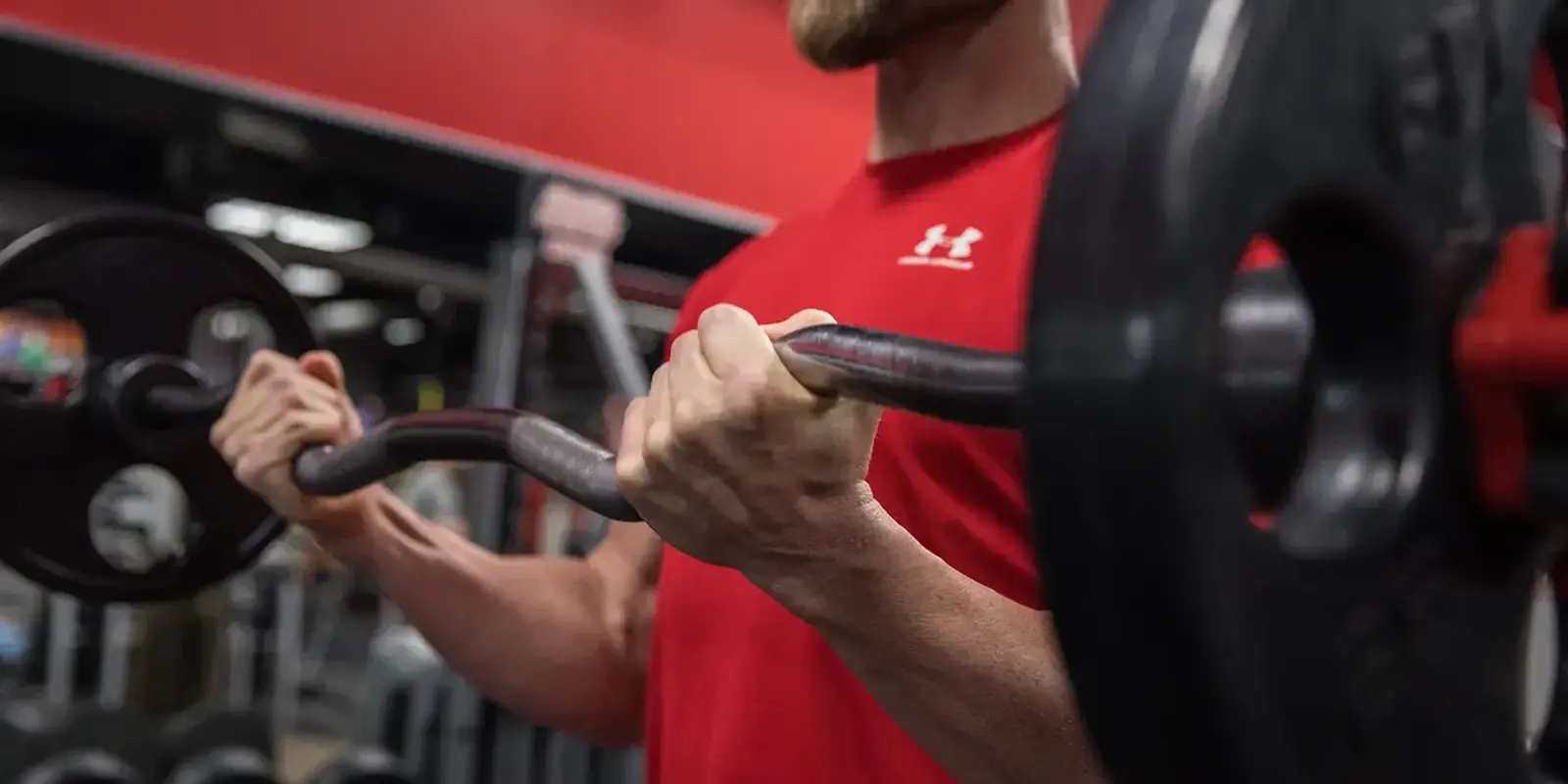
A focused arm session can fit into a broader strength routine without turning every set into a test. The five movements below adapt familiar gym exercises for different starting points. Some use body weight; others use a dumbbell or bar. You do not need all five in one workout, and no exercise guarantees a particular change in arm size. Choose movements you can perform with control and adjust them to your equipment, experience, and comfort.
Start with a workable plan
Adults are encouraged to do muscle-strengthening activity on at least two days each week, including activity that works the major muscle groups.[1] That is a weekly guideline, not a requirement to train arms every day or to do a specific number of sets. If you are new to strength exercise, begin with a manageable amount and allow time to learn the movements. MedlinePlus recommends starting slowly, warming up, using appropriate technique, and increasing activity gradually to help avoid injuries.[2]
Before you begin, check the floor, bench, chair, and weights for stability. Use a load that you can lift and lower without swinging or holding your breath. A mirror can help you notice position, but it cannot replace coaching when you are unsure. Stop if you feel sharp pain, sudden weakness, numbness, dizziness, chest pressure, or unusual shortness of breath. Seek professional guidance if you have an injury, a health condition that affects exercise, or uncertainty about which movements are appropriate.
For a first session, choose two or three exercises and practice a comfortable range. Take enough rest to regain control between efforts. You can note the load and repetitions, but there is no need to chase a personal record. The priority is repeatable movement, not exhaustion.
1. Diamond-style push-up, with an easier option
A close-hand push-up can emphasize the triceps compared with a wider hand position, but the narrow shape is not comfortable for everyone. Begin on a wall or sturdy counter if a floor push-up is too demanding. Place hands under or slightly inside shoulder width, keep the body in one line, and bend the elbows to lower only as far as you can control. Press the surface away and return to the start.
If you are comfortable on the floor, use a kneeling or elevated version before moving to the toes. Do not force the fingertips into a diamond if that bothers your wrists. A simple close-hand position is enough. Keep shoulders away from the ears and avoid letting the lower back sag. End the set when your form changes. A controlled partial range is a useful practice option; you do not need to touch your chest to the floor.
2. Chin-up or assisted pull
A chin-up uses an underhand grip, with palms facing toward you. The movement involves pulling the body toward a bar. It also asks the shoulders, upper back, trunk, and grip to contribute, so it is not an isolation exercise for the biceps. If you cannot do an unassisted repetition, that is common and does not mean you should swing or kick to get over the bar.
Use an assisted machine, resistance band designed for the setup, or a stable foot support if available. Another option is a seated band row with the band anchored securely. Begin from a position where your shoulders feel comfortable, pull with control, and lower without dropping. Avoid a loose chair or improvised anchor that could tip or release. If you lack safe equipment, select another exercise rather than taking a fall risk.
3. Seated overhead triceps extension
Sit against a stable backrest with feet planted. Hold a light dumbbell with both hands by the handle or one end, using a grip that feels secure. Bring it to a position behind the head only if your shoulders and elbows tolerate that range. Keep your torso steady, bend the elbows to lower the weight a short distance, then straighten them without locking forcefully.
The weight should remain controlled throughout. Do not choose a load that makes you arch your back, flare your ribs, or struggle to guide the dumbbell. You can use one arm at a time with a very light weight, or replace the movement with a resistance-band press-down if overhead positioning is uncomfortable. Keep the band anchored to something that cannot shift. If the shoulder or elbow feels pinched, stop and choose another pattern.
4. Standing curl
A curl trains elbow bending against resistance. Hold a light bar, an EZ-curl bar, or a pair of dumbbells with palms facing forward or slightly inward. Stand with feet steady and knees relaxed. Keep elbows close to your sides, bend them to raise the weight, and lower slowly. The torso should not rock to create momentum.
If your wrists feel strained, try a neutral grip with palms facing each other. You can also sit to reduce the temptation to swing. Use a weight that lets you complete each repetition with the same controlled path. If you feel discomfort in the wrist or elbow, reduce the load, shorten the range, or stop. A heavier bar is not automatically a better choice.
5. Choose a triceps option that suits your shoulders
Bench or chair dips appear in many arm workouts, but the deep position can be uncomfortable for some shoulders. If you try a dip, use a bench that cannot slide, keep the range shallow, and stop before the shoulders roll far forward or pain begins. Do not use a lightweight folding chair or an unstable surface.
A close-grip incline push-up or band press-down may be easier to set up and control. For an incline push-up, place your hands on a stable counter or bench, keep your body aligned, and bend your elbows without letting them flare dramatically. For a press-down, secure a resistance band above you, keep elbows near your sides, and straighten the arms within a comfortable range. Pick one option; you do not need to perform every variation.
Put the moves together
A short session might include a close-grip incline push-up, a curl, and either an assisted chin-up or band press-down. Start with a small amount that leaves you able to maintain technique. Rest between exercises. If the session feels manageable and you recover normally, repeat it on another day rather than adding many exercises at once. The national guideline calls for muscle-strengthening activity across the week, but how you arrange sessions can depend on your schedule and needs.[1]
Use a simple log: exercise, equipment, repetitions, and how the movement felt. If you cannot keep control, make the exercise easier before trying to add volume. You can raise the incline for push-ups, use a lighter load for curls, or choose a band with less resistance. If a movement feels too easy and remains comfortable across sessions, adjust one factor gradually, such as a few repetitions or a small amount of resistance. Do not increase everything at once.
Recovery and expectations
Some muscle tiredness can happen after strength exercise, but sharp or worsening pain is not a goal. Leave time between challenging sessions for recovery. Varying exercises can reduce the urge to repeat one movement excessively. MedlinePlus advises increasing activity gradually and paying attention to pain or other symptoms during exercise.[2] If soreness is severe, persistent, or affects normal use of an arm, ask a healthcare professional what to do.
Arm strength is only one part of a balanced program. A routine can also include legs, hips, chest, back, abdomen, and activities that raise the heart rate. Choose a level that matches your current ability. People returning after an injury or managing a condition may need individualized instructions from a qualified professional.
Make the routine repeatable
Choose exercises you can set up safely with the equipment you have. Keep early sessions short enough that you can pay attention. Use a full, comfortable breath, move smoothly, and stop a set when your posture or control changes. The best starting plan is not the most complicated one; it is a plan you can do safely and adjust when needed.
These movements are general exercise ideas, not individualized medical advice. The chin-up does not isolate the biceps, and dips are not mandatory for triceps training. Any of the five can be replaced. If you have pain, uncertainty, or a recent injury, get qualified guidance before loading the area. Build consistency first, then make small changes based on comfort and control.
Sources and further reading
- Top 10 Things to Know About the Second Edition of the Physical Activity Guidelines for AmericansU.S. Department of Health and Human Services, Office of Disease Prevention and Health Promotion · Accessed 2026-11-03
- How to avoid exercise injuriesMedlinePlus, U.S. National Library of Medicine · Accessed 2026-11-03